By
21 min ago 2 min read
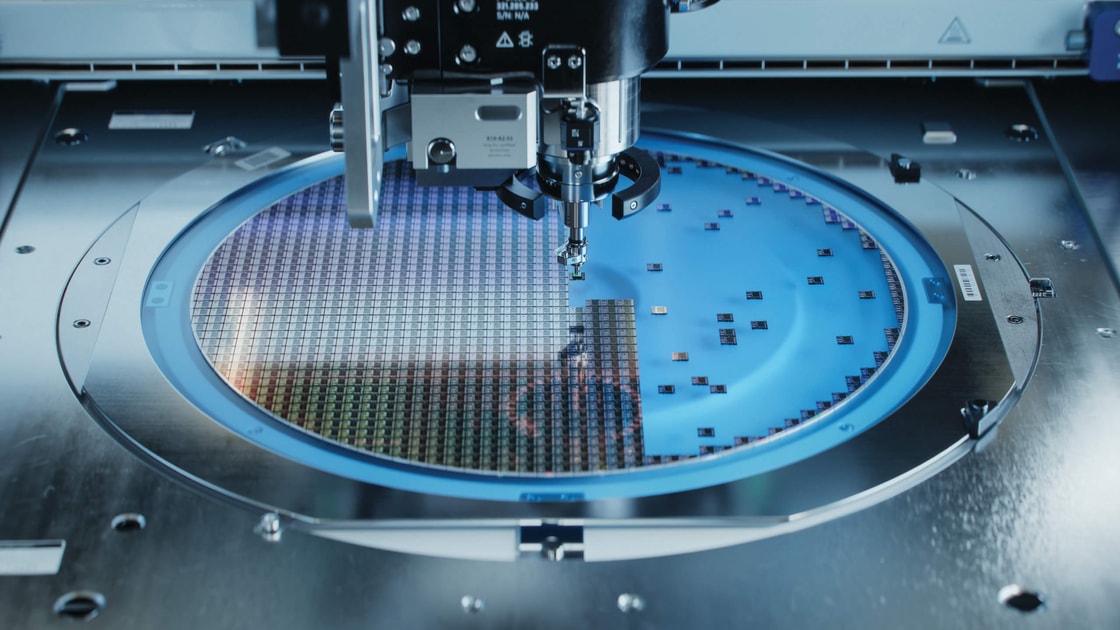
The chip sector has enough helium for now and the global supply chain challenges do not present challenges to production or the AI investment boom, according to an Oxford Economics report.
Reserves and recycling technology also mean the top chipmakers are not in a vulnerable position.
“Helium accounts for a miniscule share of total chipmaking costs, so a surge in the helium procurement cost would not be an issue for most chipmakers. Hence, as long as the issue remains a price matter rather than an outright shortage, chipmakers should be able to weather the storm relatively well,” it states.
But if the war drags on, supply chain stress will only intensify, the report warns. “A wide range of commodities are at risk, and the chipmakers will need to make sure that no vulnerabilities go unchecked, as single missing input could grind the entire production line to a halt,” it states.
Leading chipmakers like TSMC and Samsung Electronics will likely prioritise high-end chips used for AI data centres and other advanced applications with greater strategic importance and ample profit margins. TSMC recently expanded its .
Traditional, less technologically advanced chips are expected to be relative losers as their production is scaled back. This mirrors what is already happening with memory chips and other components, where strong AI demand is creating distortions in other electronics production.
In a prolonged war scenario, it forecasts a higher risk of severe supply disruptions to many commodities, including helium but also sulphur, naphtha, and ammonia, which are relevant for the chipmaking process. Hence, the biggest risk lies not in a price surge but in a supply halt.
Ongoing uncertainty over the war continues to shroud the operational picture on the ground.
There had been industry speculation that the Helium 2 plant in Ras Laffan would partially reopen but LNG and helium production at the key facility remain offline.