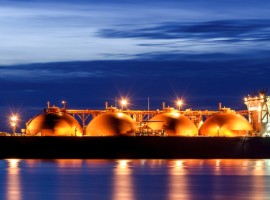
The disruption of oil and LNG supplies from the Gulf, driven by the ongoing Middle East conflict, is creating significant challenges for global power markets. Gas and electricity prices are closely linked because gas-fired power plants often determine the wholesale price of electricity. When gas becomes more expensive, power prices usually rise as well.
This crisis is the latest reminder of how dependent many countries remain on global gas markets, and how quickly consumer bills and economic growth can be affected. To understand how this situation compares with earlier shocks, three analysts – Massimo Di-Odoardo (global gas and LNG), Peter Osbaldstone (European power), and Allen Wang (APAC power) – shared insights on how energy systems have reacted in past crises and how they may respond now.
Gas prices have not surged as dramatically as they did in 2022. When Russia cut gas supplies to Europe by 40% after invading Ukraine, prices soared to nearly US$70/mmbtu in September 2022, with the yearly average more than twice that of 2021. In the current crisis, despite 80 Mtpa of Gulf LNG exports being shut in – a volume similar to the earlier Russian cuts – prices have remained much lower. The highest month-ahead price so far has been around US$19/mmbtu in April and has since fallen to US$15/mmbtu, only slightly above projected 2025 levels.
Several factors are currently keeping global gas prices in check. Europe entered spring with more gas in storage than expected, new LNG projects added around 40 Mtpa of supply, and China’s LNG demand has dropped sharply as it turns to other energy sources. However, if the Strait of Hormuz stays closed for an extended period, upward pressure on prices could quickly return. Even if the conflict ends soon, the damage to Qatar’s export facilities means some capacity will be offline for up to five years, keeping prices higher than previously forecast through 2027.
Power prices have responded differently. In early 2022, European electricity prices surged alongside gas. By contrast, in March 2026, average prices across Europe’s major markets were roughly €90/MWh, almost the same as the previous year. Italy saw the biggest increase at 18%, followed by smaller rises in Germany and the UK. Meanwhile, France and Spain saw notable declines thanks to their strong nuclear and renewable energy sectors. The experience of the Ukraine war pushed Europe to diversify its energy sources and reduce dependence on volatile fossil fuels.
Germany and the Netherlands were able to lower their coal and gas generation by increasing solar output and reducing exports. Spain stands out with more than 60% renewable penetration, although managing large shares of variable energy also brings challenges, as seen during the Iberian blackout of April 2025. Still, high renewable availability has helped Spain maintain the lowest electricity prices among Europe’s major markets, averaging €42/MWh in March 2026.
In Asia, Japan and South Korea have also shown more stability than they did in 2022. Both countries benefited from a wider fuel mix, with Japan increasing nuclear generation to 10% of its supply and South Korea leaning more on coal to reduce reliance on LNG. However, the full impact on electricity prices will become clearer later in the year as oil-indexed LNG contracts adjust to current oil prices. Looking ahead, countries will continue seeking ways to protect themselves from future gas price shocks.
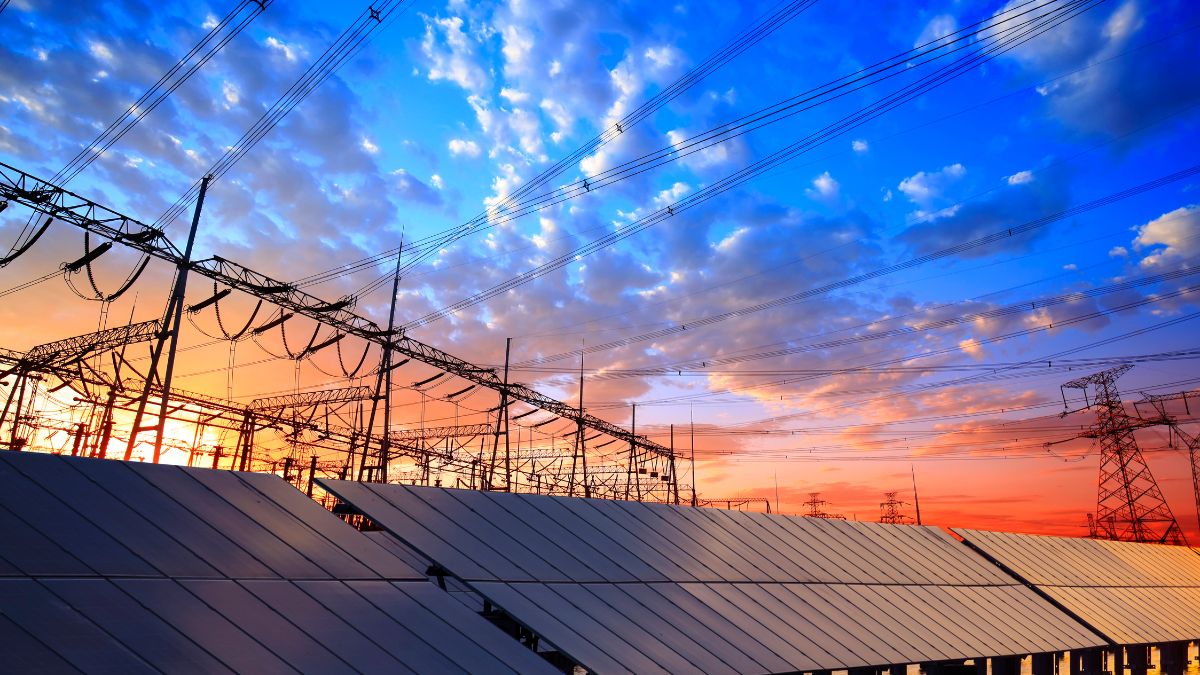
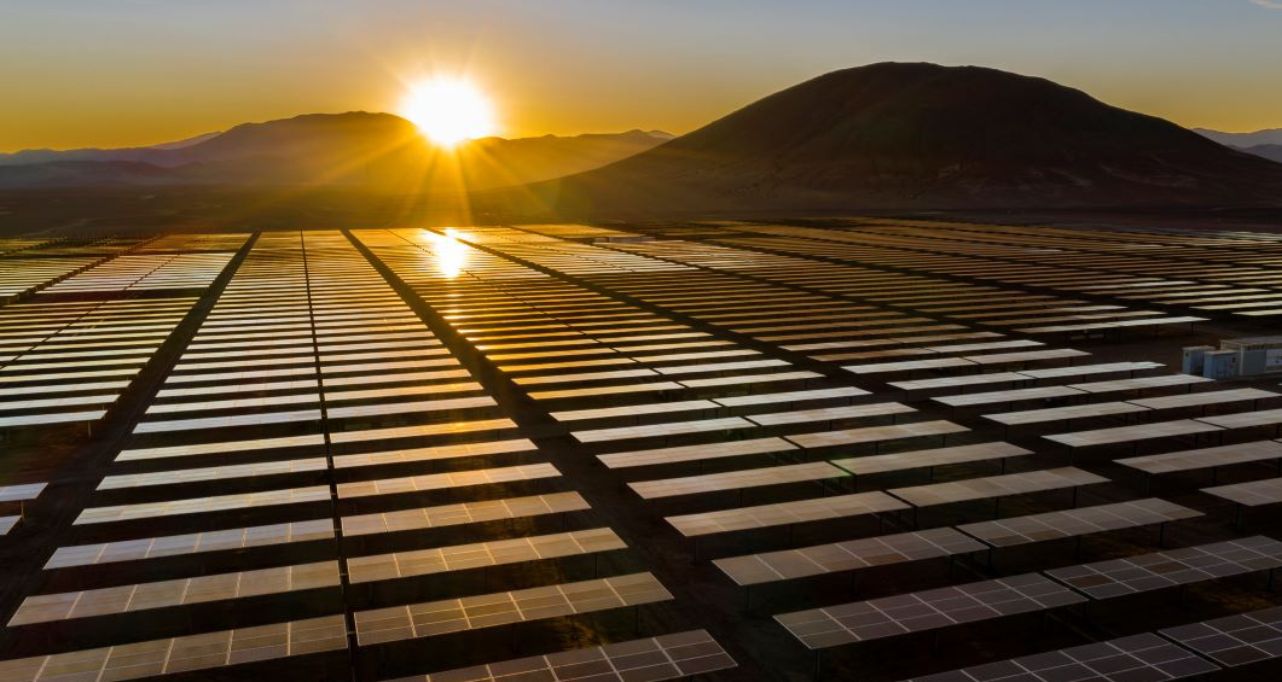
Many will pursue greater electrification and work to reduce their dependence on imported gas. Accelerating renewable energy development remains the most immediate alternative, with China and Europe leading expansion efforts. Nations with affordable domestic coal may rely more heavily on coal-fired generation, though environmental concerns are likely to limit any long-term shift back to coal. In the next decade, technologies such as new nuclear and geothermal could play a more significant role.
Battery storage is also becoming more scalable and influential. Australia reacted to the 2022 price surge by investing heavily in battery systems to store excess renewable power. As a result, batteries have gone from setting prices just 2% of the time in early 2022 to about 20% by late 2025, while gas’s influence has halved.
This shift has been a major factor in keeping power prices relatively stable during the current crisis. It may be tempting to conclude that this conflict undermines LNG’s reliability for importing countries. While the expected oversupply of LNG later this decade might now be delayed, the new supply will eventually come online and bring prices down. When that happens, the renewed competitiveness of LNG could help rebuild confidence among global buyers.
Subscribe to get the latest posts sent to your email.