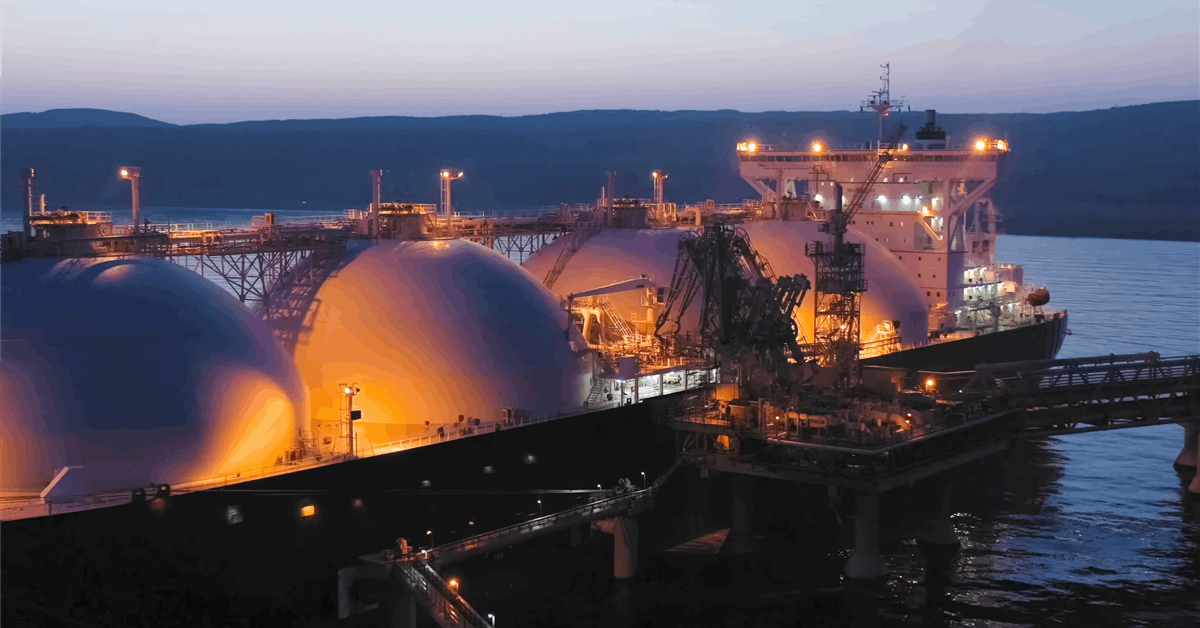
An oil tanker that had passed through the Strait of Hormuz in mid-April arrived on Friday at a port in South Korea, shipping the first crude cargo to the country via Hormuz since the war began.
The Malta-flagged Odessa crude oil tanker arrived at Daesan on South Korea’s west coast laden with 1 million barrels of crude.
Such volumes of oil are equal to about 35-50% of South Korea’s daily oil consumption.
Before the Iran war began, South Korea imported most of the crude it consumes from the Middle East and is one of the most exposed Asian importers to Qatari LNG, which is now offline.
Meanwhile, South Korea is also pushing back the retirement of coal-fired power generation capacity amid the oil and gas shock caused by the Middle East war.
Set OilPrice.com as a preferred source in Google .
Amid the crippled deliveries from the Middle East, South Korea turned last month to alternative suppliers, with senior government officials visiting Oman, Kazakhstan, and Saudi Arabia in a bid to secure crude oil supply that does not need to pass through the Strait of Hormuz.
Kang Hoon-sik, the presidential chief of staff, said in early April that the need to secure alternative oil supplies was urgent because South Korea depended on cargoes transited via the Strait of Hormuz for as much as 61% of its crude oil imports and 54% of its naphtha imports.
In the middle of April, South Korea secured 273 million barrels of Middle Eastern and Kazakh crude that will not need to transit the Strait of Hormuz—volumes that would sustain its economy for more than three months.
“The 273 million barrels of crude oil, based on last year’s consumption levels, are sufficient to sustain the economy for more than three months under normal operating conditions without the need for additional emergency measures,” Kang Hoon-sik said.
The country has also secured 2.1 million tons of naphtha, a key feedstock for the petrochemical industry, the presidential chief of staff added.
By Tsvetana Paraskova for Oilprice.com
More Top Reads From Oilprice.com
- Average U.S. Gasoline Price Tops $4.50 to Near Four-Year High
- More Than 40 India-Bound Ships Remain Trapped Near Hormuz
- Global Jet Fuel Exports Hit 10-Year Seasonal Low in April