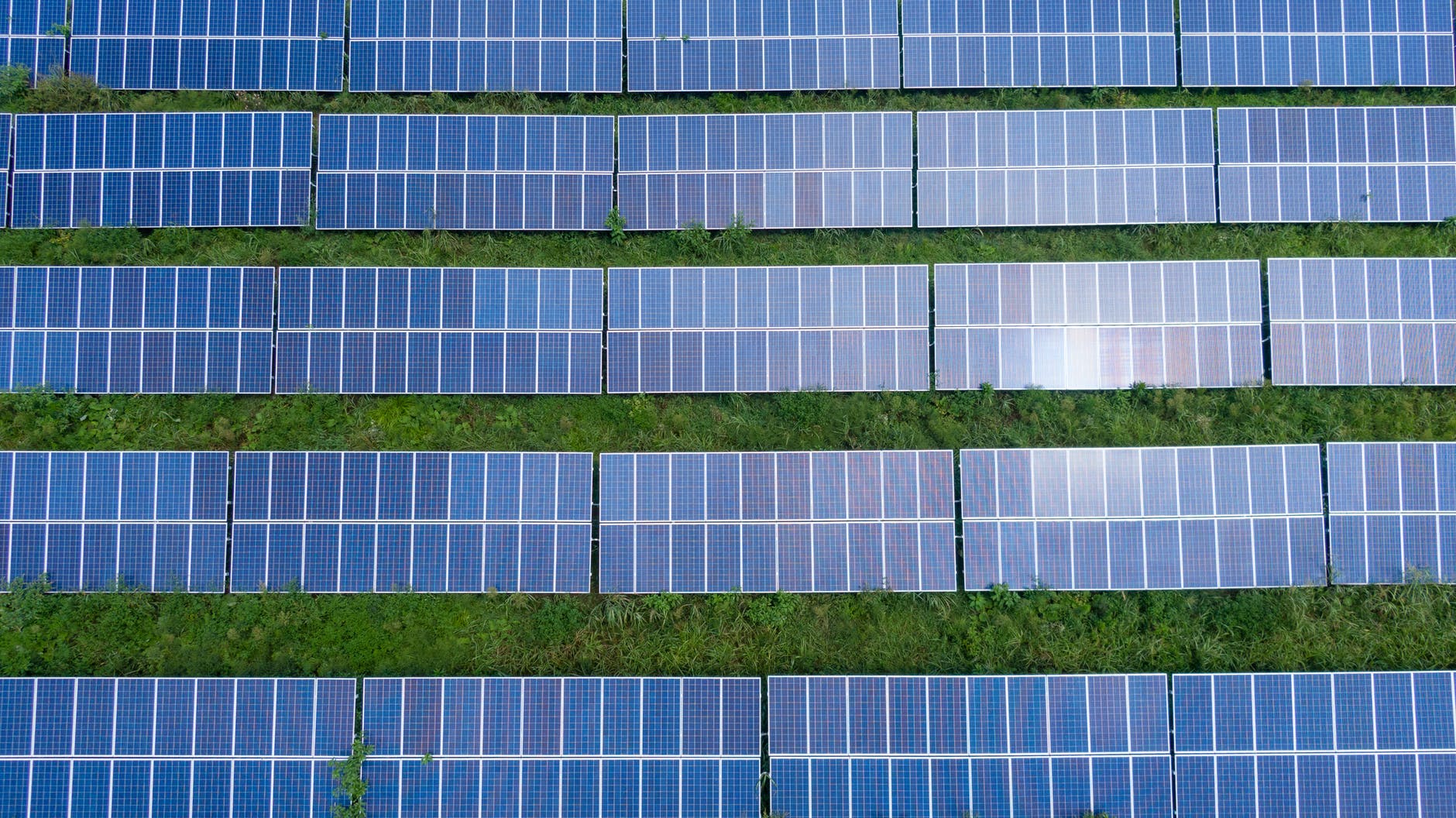
Improper string sizing is one of the most common technical mistakes in solar photovoltaic (PV) systems, and it can significantly reduce the overall efficiency and performance of a solar power plant. In a PV system, solar modules are connected in series to form a string, and multiple strings are connected to an inverter. The size of each string must be carefully designed according to the inverter’s voltage range, environmental conditions, and module specifications. If the string sizing is not properly calculated, the system may suffer from energy losses, reduced output, inverter shutdowns, and long-term reliability issues.
One of the main problems caused by improper string sizing is voltage mismatch. When too many modules are connected in series, the total voltage may exceed the inverter’s maximum input voltage, especially during cold weather conditions when module voltage naturally increases. This can damage the inverter or force it to shut down for protection. On the other hand, if too few modules are connected in a string, the operating voltage may fall below the inverter’s minimum MPPT (Maximum Power Point Tracking) range, preventing the inverter from operating efficiently. In both situations, the system fails to produce the expected amount of electricity.
Improper string sizing also affects energy harvesting efficiency. Solar inverters are designed to work within a specific voltage window for maximum power extraction. When strings operate outside this range, the inverter cannot track the optimal power point correctly, leading to lower energy conversion efficiency. Even a small design error in string configuration can result in considerable annual energy losses, especially in large-scale utility projects.
Another important issue is the mismatch loss between strings. If strings have different numbers of modules or are exposed to varying shading conditions, the inverter may not be able to balance the power generation properly. The weakest string can limit the performance of the entire group connected to the same MPPT. This creates uneven current flow, increased thermal stress, and reduced system stability. Over time, such an imbalance may lead to hotspot formation, accelerated module degradation, and cable heating problems.
Environmental factors also play a major role in string sizing. Temperature variations directly affect solar module voltage. Designers must consider the minimum and maximum site temperatures before finalizing string length. Ignoring local climate conditions can result in serious operational failures during seasonal changes. In hot regions, low voltage problems are more common, while in colder regions, excessive voltage becomes a major risk.
To avoid these issues, proper system design and simulation are essential. Engineers should use accurate module data, inverter specifications, and weather information while designing strings. Modern solar design software helps optimize string configuration and minimize technical losses. Regular testing and monitoring can also identify underperforming strings early and improve system reliability.
In conclusion, improper string sizing can severely impact the efficiency, safety, and lifespan of a solar PV system. Correct string design ensures stable inverter operation, maximum energy generation, and long-term performance, making it a critical factor in successful solar project development.
Subscribe to get the latest posts sent to your email.