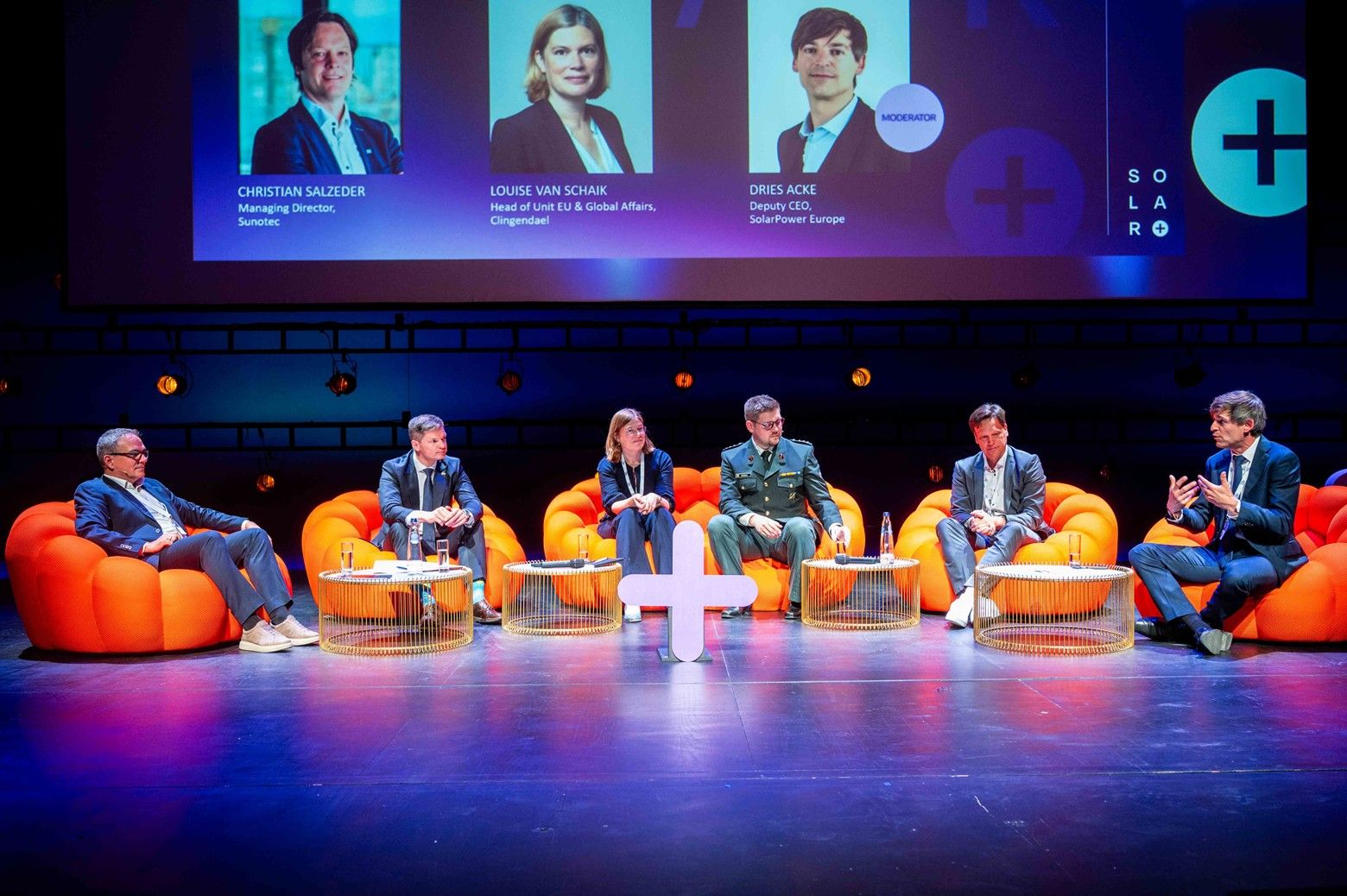
The SolarPower Summit 2026 made it clear that Europe has entered a new phase in its energy transition. Over two days at the Théâtre National Wallonie-Bruxelles, policymakers, researchers, innovators, and industry leaders gathered to discuss how solar power and battery storage are now reshaping Europe’s entire energy system. The conversations focused not just on clean energy, but on how Europe can build an energy future that is affordable, secure, and strong enough to withstand global instability.
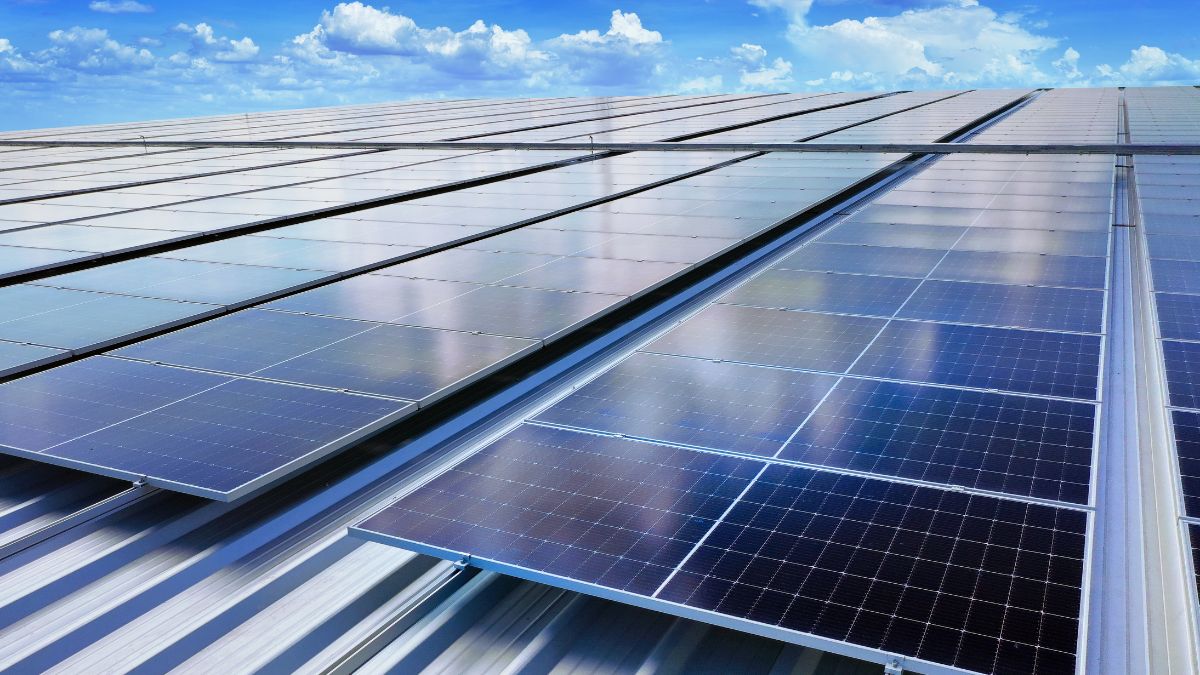
The Summit opened with a message from European Commission President Ursula von der Leyen, who noted a major turning point for the EU: in June of the previous year, solar energy became the largest source of electricity in Europe for the first time. She explained that this achievement reflects the power of innovation and political commitment, and that its impact extends well beyond reducing emissions.
Since the outbreak of conflict in the Middle East, the EU has saved 110 million euros every day by cutting back on gas imports, thanks to solar expansion. Her remarks set the tone for the entire event, showing that clean energy is now a cornerstone of Europe’s economic and strategic stability.This sense of urgency continued with Commissioner Dan Jørgensen, who warned that Europe is already experiencing the consequences of slow action in previous years.
He stressed that the technology and solutions are no longer the problem—what matters now is the speed at which they are deployed. Leaders from SolarPower Europe also underlined the importance of moving from promising plans to concrete implementation, emphasizing that progress will depend on cooperation across governments, industries, and communities.Day one explored how solar is transforming both Europe’s energy system and its geopolitical position.
Moldova’s Energy Minister Dorin Junghietu shared how his country is reducing its dependency on Russian gas by building a new energy model centered on renewables. Meanwhile, Laura Cozzi from the International Energy Agency pointed out that battery storage is already expanding faster than natural gas capacity, signalling a major shift in how Europe balances supply and demand.A major moment of the Summit was the release of the “Solar+: An EU pathway to achieve renewable targets, price affordability, and energy security” report.
Produced by SolarPower Europe and Rystad Energy, the report showed what Europe could achieve by 2030 if it transitions fully to a renewables-based power system. The findings revealed that operating costs could be cut in half, wholesale electricity prices could drop significantly, and Europe could reduce its yearly fossil fuel import bill by as much as 50 billion euros.
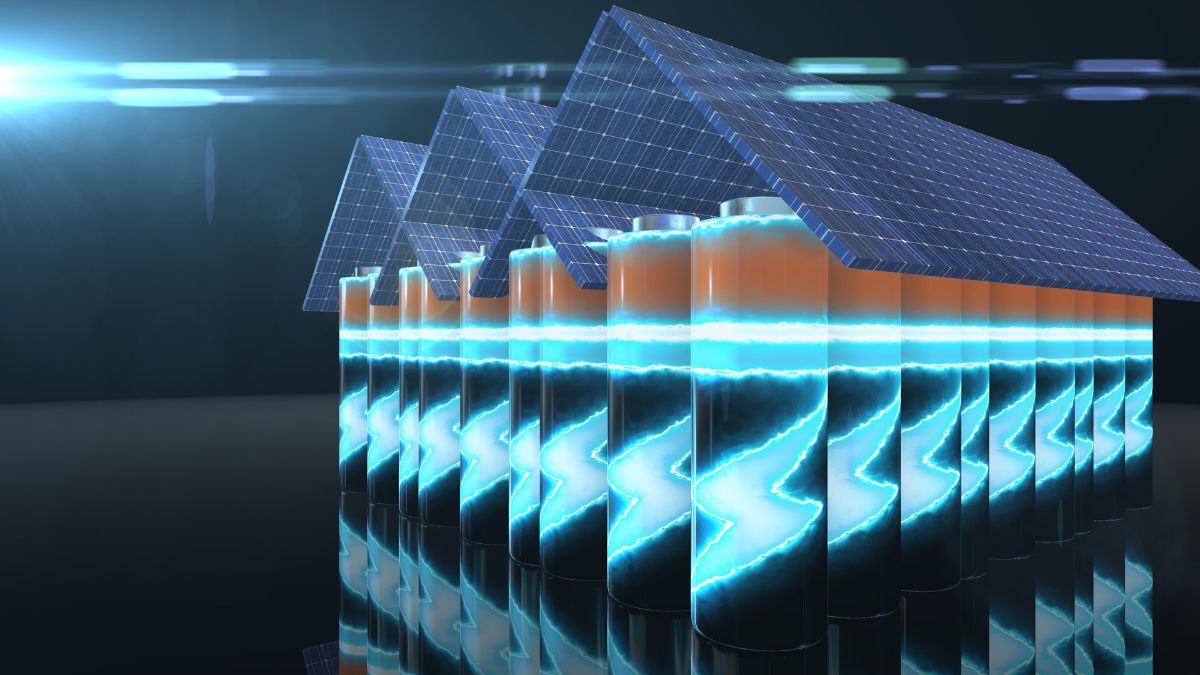
These insights reinforced the idea that combining solar with storage and flexible technologies is the key to Europe’s next energy phase.The discussion then turned to flexibility—an idea that repeatedly surfaced across sessions. Europe’s future power system will need to be more dynamic, adaptable, and efficient. Battery storage is already helping lower electricity costs and stabilise the grid, but its full potential can only be achieved if batteries, electric vehicles, and hybrid systems are fully included in energy markets.
This will require better access to data, improved smart meter rollout, and market rules that encourage flexibility rather than restrict it.Flexibility also provides an alternative to building expensive new grid infrastructure. Through digital tools, demand-side response, and creative non-wire solutions, Europe could reduce both the cost and time required to meet growing electricity needs. However, many challenges remain, especially at the distribution level, where data gaps and inconsistent standards across Member States still hold progress back.
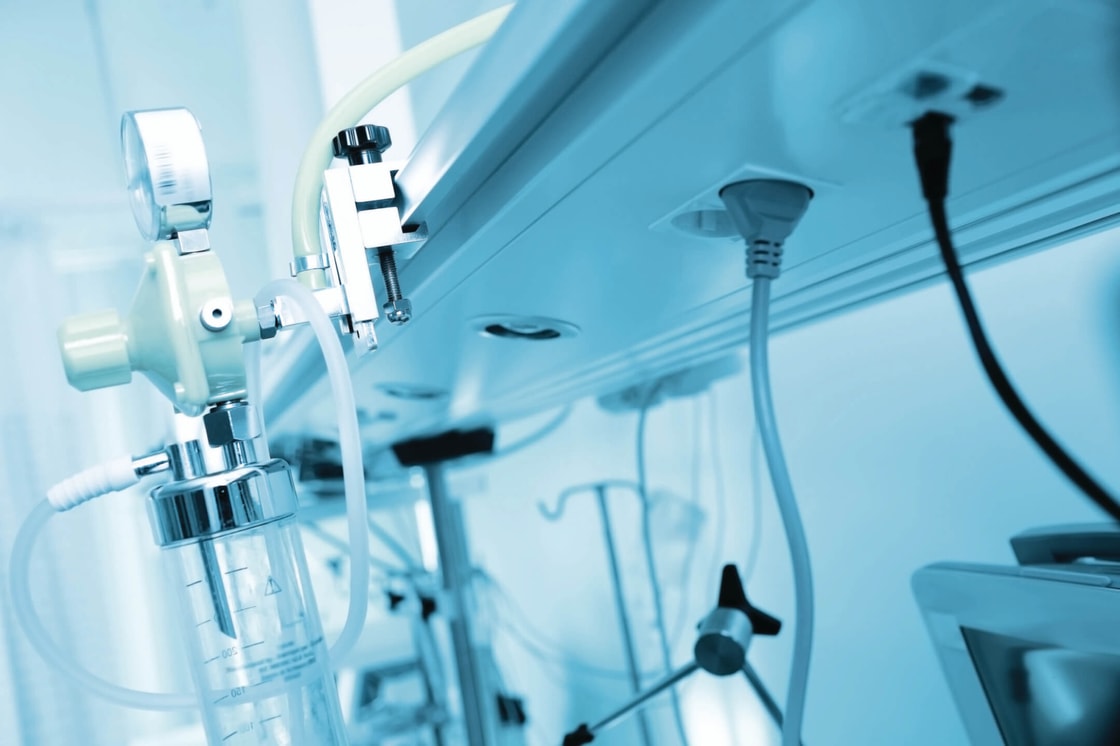
The Summit highlighted the need for an EU-wide Flexibility Strategy and a dedicated action plan to expand battery storage.Day two began by focusing on Ukraine’s energy transition. Despite significant infrastructure damage, the country has rebuilt gigawatts of power capacity and doubled its solar deployment since 2024. Speakers described how decentralized solar systems and battery storage are helping hospitals, essential services, and local communities maintain power even under severe conditions.
Their experiences showed how renewables can offer both resilience and independence during crises.The Summit then shifted to Europe’s industrial landscape. Kerstin Jorna from DG GROW explained that although Europe is doing well in deploying solar, its domestic manufacturing still lags behind, especially in key components such as modules and cells. She pointed to new policy tools—including the Industrial Accelerator Act and the Net-Zero Industry Act—that aim to strengthen Europe’s production capabilities and create a more competitive and stable environment for manufacturers.Industrial electrification was another central topic.
Many speakers agreed that switching industries to electricity is becoming increasingly cost-effective, even though regulatory uncertainty and high prices remain obstacles. With clearer policies, targeted investment, and tools like power purchase agreements, electrification can support both decarbonisation and long-term industrial competitiveness.Innovation also played an important role during the Summit.
The European Solar Startup Award 2026 went to reLi Energy, a company focused on improving the performance and lifespan of battery storage systems through a combination of hardware and software. Their work shows how important intelligent, flexible energy solutions have become in a renewables-based system. Other finalists also demonstrated how rapidly Europe’s solar innovation ecosystem is growing.
The Summit concluded with reflections on Europe’s place in the global energy landscape. Commissioner Wopke Hoekstra stressed that ongoing geopolitical instability shows why Europe cannot remain dependent on global fuel markets. He emphasized the need for faster electrification, stronger connections between countries, and a more coordinated European power market. Leaders from both the solar and wind sectors reaffirmed their commitment to working more closely together, noting that the energy transition will be built through cooperation, not competition.
By the end of the event, one message was clear: Europe already has the tools, the technology, and the talent needed to achieve its energy transition goals. What matters now is how quickly these solutions can be implemented. The Summit closed with appreciation for everyone involved and a shared commitment to making the Solar+ vision a reality. The next chapter of Europe’s energy transition has already begun; now the task is to ensure it moves forward with purpose and determination.
Subscribe to get the latest posts sent to your email.