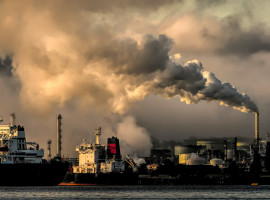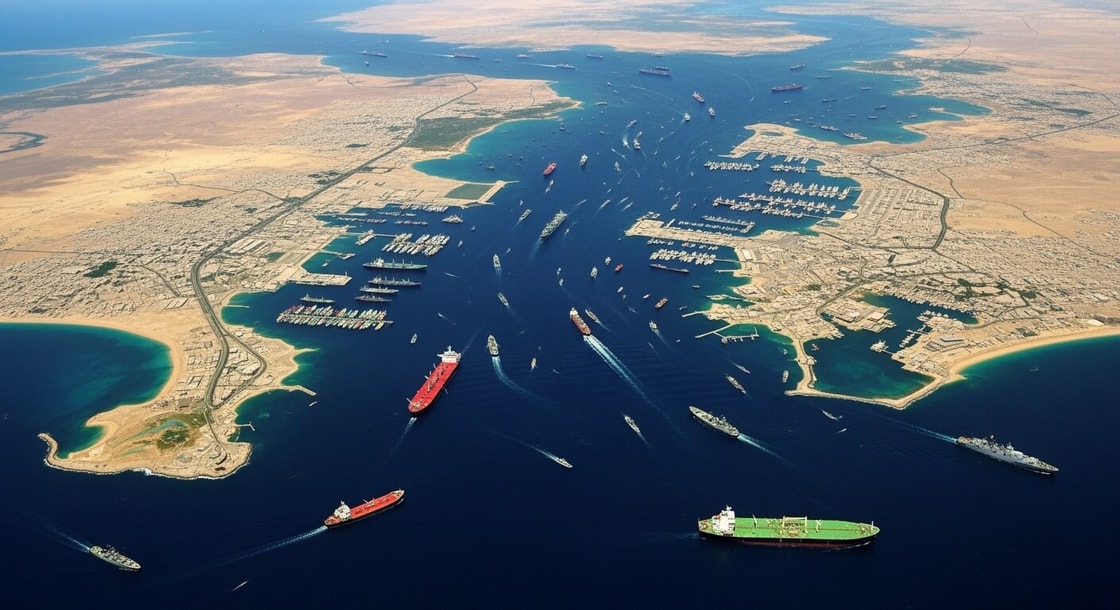
The ongoing conflict in the Middle East has seen the closure of the Strait of Hormuz and continues to impact global supply chains © Shutterstock.com
Hydrogen will not play an immediate role in responding to the ongoing Middle East crisis, but will be “critical” to longer-term security measures across fertilisers, shipping, and aviation, according to the International Energy Agency (IEA).
While some analysts have suggested the shocks to oil and gas prices sparked by the US conflict with Iran will be temporary, IEA Director of Energy Markets and Security, Keisuke Sadamori, said the crisis would “redraw” global energy systems.
He told the World Hydrogen Summit in Rotterdam that global oil stocks were being consumed at a rate of four million barrels per day over the past two months, with natural gas, fertilisers and petrochemicals also being “severely impacted” by the closure of the Strait of Hormuz.
Sadamori said this would mean “lasting changes” to the energy mix, trade routes, and industrial strategies, with green technology set to hold an important role.
Already have an account?
Unlock full access to hundreds of features at the forefront
of the industrial gas sector with a gasworld subscription