Australia’s greenhouse gas emissions declined by 2.1% in the year ending December 2025, driven by growing renewable energy generation, strong solar and battery deployment, and cleaner transport adoption, according to the latest Quarterly Update of Australia’s National Greenhouse Gas Inventory.
The report showed emissions fell by 9.7 million tonnes year-on-year, with lower coal, gas, and petrol consumption significantly reducing pollution from the electricity and transport sectors. Electricity sector emissions dropped by 3.8%, while transport emissions declined by 0.6%, marking the second consecutive annual reduction in transport emissions outside of the COVID-19 period.
The Australian government attributed the decline to the rapid expansion of renewable energy, large-scale solar generation, battery storage systems, and increasing adoption of electric vehicles (EVs).
Minister for Climate Change and Energy, Chris Bowen, said EV adoption has accelerated significantly, with electric vehicles accounting for more than 20% of new light vehicle sales during the first four months of 2026, compared to less than 4% in 2022. He noted that Australia’s New Vehicle Efficiency Standard is improving access to lower-emission and more cost-effective transport options.
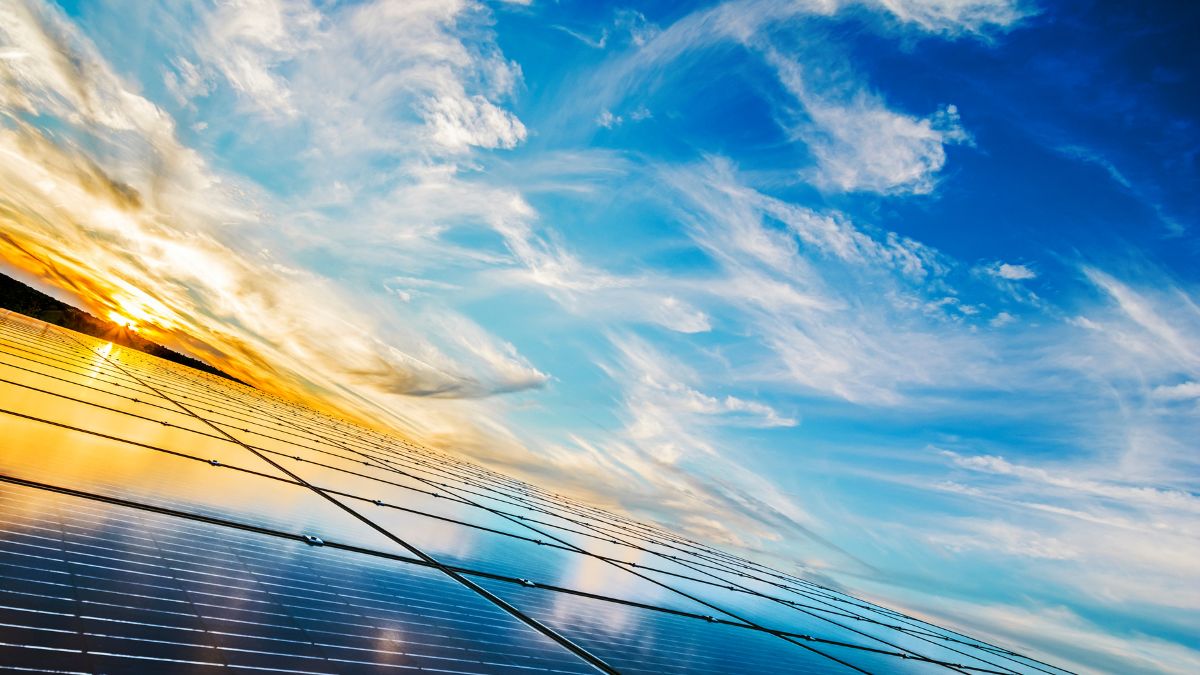
Renewable energy and battery storage also continued transforming Australia’s electricity grid. In 2025, battery discharge across the National Electricity Market (NEM) nearly tripled compared to 2024 levels, helping reduce gas-fired generation during evening demand peaks by approximately 30%.
Combined with record wind generation and strong utility-scale solar output, increased battery deployment pushed gas generation in the NEM to its lowest quarterly level since 2000. As a result, the emissions intensity of the grid reached a record low of 0.44 tonnes of emissions per megawatt-hour, while NEM emissions were reported to be 32% lower than 2005 levels.
Minister Bowen stated that the results demonstrate the economic and environmental benefits of expanding renewable energy and energy storage infrastructure. He highlighted that Australia now has more than 4 million rooftop solar systems installed nationwide, alongside over 400,000 home batteries supported through the government’s Cheaper Home Batteries Program.
While emissions reductions were recorded across electricity, stationary energy, and transport sectors, the report noted that these gains were partially offset by increased emissions from industrial processes and product use, largely linked to higher steel production activity.
The government also reported continued progress under its reformed Safeguard Mechanism, with net emissions from Australia’s largest industrial facilities falling by 5.5% over the past year and more than 12% since the reforms were introduced.
Industrial operators are increasingly deploying emissions reduction technologies including electrification, carbon capture and storage (CCS), and systems to reduce nitrous oxide emissions, with some facilities reportedly cutting nitrous oxide emissions by more than 95%.
According to the report, Australia’s total emissions are now estimated to be 24.5% below 2005 levels. The government stated that ongoing investments in renewable energy, battery storage, clean transport, and industrial decarbonisation will continue supporting the country’s long-term emissions reduction goals.
Subscribe to get the latest posts sent to your email.