By
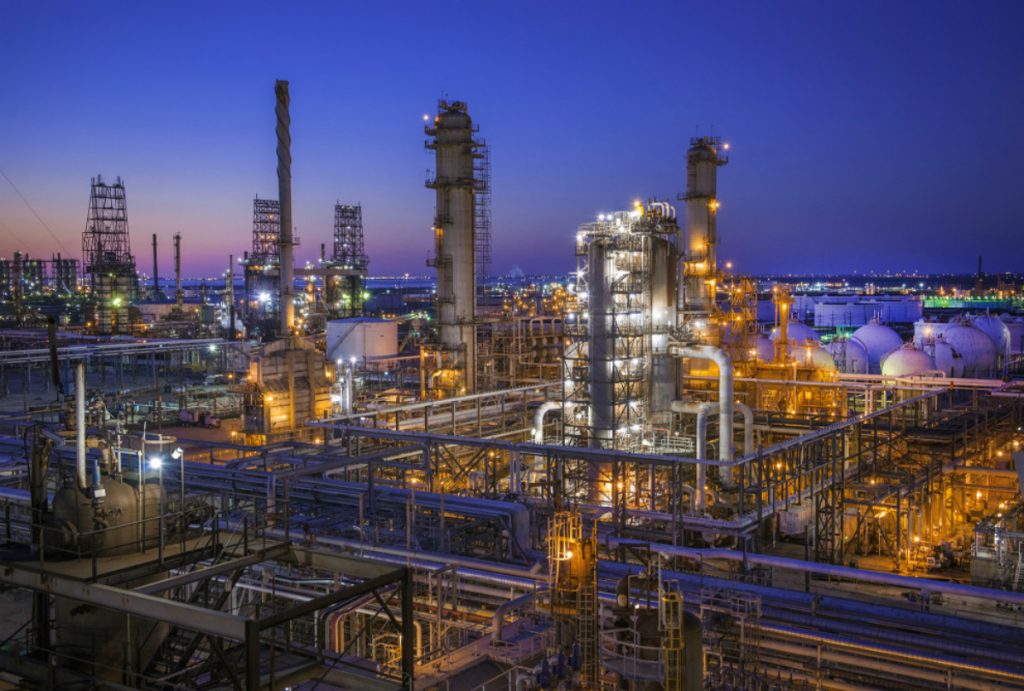
US oil refiners are running their plants harder than usual, with some even putting off maintenance, as strong profits and steady demand for fuels tempt the processors to run plants near maximum capacity.
Get the Latest US Focused Energy News Delivered to You! It’s FREE:
The industry has had one of its lightest maintenance seasons in years. From January through May, refiners shut down an average of 470,000 barrels a day in processing capacity. That compares with 700,000 during the same period last year and 900,000 in 2024, according to consultancy Energy Aspects.
The trend looks set to continue.
One case in point: Motiva Enterprises LLC has delayed a major maintenance project at its Port Arthur refinery on the Texas Gulf Coast by about a year to take advantage of strong product margins. That includes work at its biggest crude unit, with the delay pushing the turnaround into the fall of 2027, people familiar with the operations have said.
“So far, there’s not a lot of maintenance in the books for second half of the year,” said Raul Calzada, a refining analyst at Energy Aspects’s Houston office. “Demand for refined products is going to be high, so the market needs refiners to run hard the rest of the year.”
There is a tradeoff. The longer refiners postpone maintenance while operating near full capacity, the greater the risk of unexpected breakdowns that can force units offline, Calzada said. On the Gulf Coast, unplanned outages took out an average of 170,000 barrels a day of capacity during the 2026 spring maintenance season, compared with 300,000 in 2025.
For now, the US refining industry continues to rev up in response not only to domestic demand but also as American exports of diesel and jet fuel stay robust in the wake of the Iran war. The effective closure of the Strait of Hormuz continues to disrupt global energy flows and Asian refiners can’t get the crude they need for fuel production.
Read More:
Meanwhile in the US, summer driving season is just getting underway and underscores why domestic demand is expected to stay high. Refinery utilization rates are hovering close to 95%, which is considered effectively full operating capacity, and total US gasoline stockpiles are at multi-year seasonal lows, according to Energy Department data.
“Without another leg up in prices, any demand decline is likely to be slow and drawn out, risking tighter product balances,” analysts at Energy Aspects said in a recent report.
— With assistance from Nathan Risser
Share This:
More News Articles