The United States will release liquefied natural gas and liquefied petroleum gas from its strategic reserves to sell to ASEAN members, Deputy Secretary of State Christopher Landau said today at an ASEAN event in Vietnam.
“The current energy crisis has clearly outlined the need for countries to diversify energy resources, and the United States wants to work with you to help ASEAN member states not only navigate the current situation, but also to support long-term energy security and resilience,” the U.S. official said, as quoted by Reuters.
Landau added that the United States was eager to boost its energy exports to the Asian group further and participate in energy infrastructure investments in the region as well. “The choices you all make today about infrastructure partners will shape your security and prosperity for decades to come,” he said. Landau also suggested cooperation between ASEAN and the United States on critical minerals investment, according to the Reuters report.
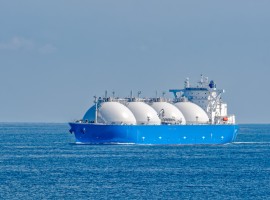
U.S. exports of liquefied natural gas have been on a strong rise this year, with the increase especially marked after the start of the war in the Middle East that took a solid portion of global flows offline. In March, LNG exports from the U.S. hit an all-time high of 11.6 million tons, with the bulk going to Europe, which has been scrambling to secure enough gas to make it through the winter and not see its storage depleted. April flows remained strong, but last month LNG exports dipped as plants entered maintenance.
Even with maintenance, however, LNG flows from the United States to Asia increased palpably in May, from April, reaching 3.68 million tons, up from 2.71 million tons in April. The May figure was the highest in 12 months, Reuters reported earlier this month, citing figures from LSEG.
By Irina Slav for Oilprice.com
More Top Reads From Oilprice.com
- Oil Prices Jump After U.S. Strikes Iran Over Downed Apache
- US Crude Oil, Gasoline Inventories Keep Sinking, but Prices Don’t Care
- EU Says No Jet Fuel Shortage Coming Despite Middle East Supply Loss