In 2023, the US Nuclear Regulatory Commission (NRC) announced that it would base its regulatory framework for fusion energy systems on its existing process for licensing the use of byproduct materials: such systems would generate electricity from the energy released when hydrogen atoms are combined to form helium, rather than the splitting, or fission, of uranium atoms. This means that such systems fall outside the requirements to be regulated by NRC as nuclear reactors, as they do not involve special nuclear material (plutonium, uranium-233 or enriched uranium) and cannot produce the self-sustained neutron chain reaction that defines nuclear fission reactors under NRC regulations.
In response to this, Tennessee – which is an Agreement State, meaning it is authorised to license and inspect byproduct, source, or special nuclear materials used or possessed within its borders under a special agreement with the NRC – filed an amendment to its regulations setting out the framework for how it will register and license fusion machines, processes, and related activities.
, as well as its associated definitions, establishes requirements for the licensing of fusion machines and fusion-related activities in the state. The new regulations came into effect on 9 June.
“Tennessee has been named the top state in the nation for nuclear energy industry growth, and for good reason,” said Tennessee Department of Environment and Conservation (TDEC) Commissioner David Salyers. “This latest step supercharges our reputation as the global hub for nuclear innovation and positions us as the most responsive state to new advanced nuclear companies clamouring to call Tennessee home.”
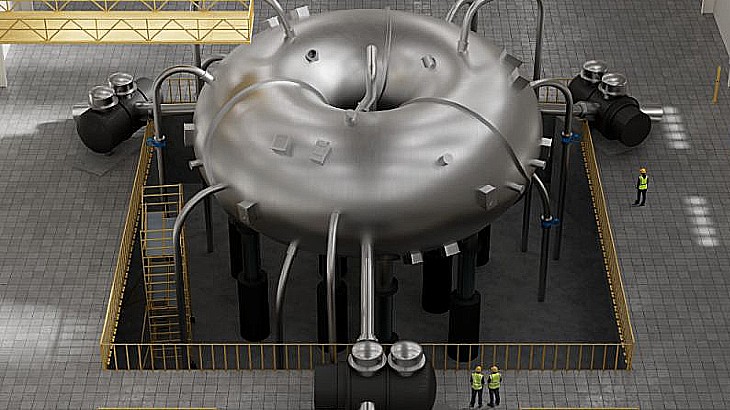
In January, US fusion energy developer Type One Energy submitted an initial licensing application in preparation for the construction of a fusion power plant at Tennessee Valley Authority’s (TVA) former Bull Run fossil plant site in Clinton, Tennessee. The company’s commercial site near Oak Ridge is anticipated to be among the first licensees under this new framework and will function as a fusion development campus through projects between the Oak Ridge National Laboratory, TVA and the University of Tennessee, TDEC said. Construction of Type One’s Infinity Two – a 400 MWe baseload power plant using stellarator fusion technology – could begin in 2028 under the new regulatory rules.