(Reuters) – U.S. President Donald Trump on Tuesday plans to restore his “maximum pressure” campaign on Iran in an effort to stop Tehran from obtaining a nuclear weapon and drive its oil exports down to zero, a U.S. official said.
The move brings back the tough U.S. policy on Iran that Trump, a Republican, practiced throughout his first term. Trump has accused his Democratic predecessor, former President Joe Biden, of weakening U.S. resolve toward Iran.
Trump had said during his campaign that Biden’s policy of not rigorously enforcing oil-export sanctions had weakened Washington and emboldened Tehran, allowing it to sell oil, accumulate cash and expand its nuclear pursuits and influence through armed militias. Iranian crude exports have shot to the highest level in years in 2024 as the country found ways to sidestep punitive sanctions targeting its revenue. The return to the tougher approach came as Trump prepared to hold talks later on Tuesday with visiting Israeli Prime Minister Benjamin Netanyahu.
Trump will sign a presidential memorandum that, among other things, orders the U.S. Treasury secretary to impose “maximum economic pressure” on Iran, including sanctions and enforcement mechanisms on those violating existing sanctions, the official said.
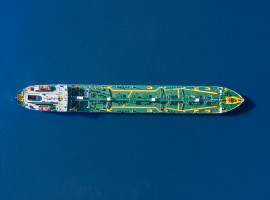
As part of the maximum pressure effort, the Trump administration will implement a campaign “aimed at driving Iran’s oil exports to zero,” the official said.
Tehran’s oil exports brought in $53 billion in 2023 and $54 billion a year earlier, according to U.S. Energy Information Administration estimates, and output during 2024 was running at its highest level since 2018, based on OPEC data.
Iran’s mission to the United Nations in New York did not immediately respond to a request for comment.
Oil prices were mixed on Tuesday on news of Trump’s plans.
The U.S. ambassador to the United Nations will work with key allies to “complete the snap-back of international sanctions and restrictions on Iran,” the official said.
Trump’s first-term maximum pressure campaign sought to use vigorous sanctions to strangle Iran’s economy and force the country to negotiate a deal that would hobble its nuclear and ballistic weapons programs.
The Biden administration did not materially loosen the sanctions that Trump put in place, but there is debate about how vigorously the sanctions were enforced. Britain, France and Germany told the United Nations Security Council in December that they are ready – if necessary – to trigger a so-called snap-back of all international sanctions on Iran to prevent the country from acquiring a nuclear weapon.
They will lose the ability to take such action on Oct. 18 next year when a 2015 U.N. resolution expires. The resolution enshrines Iran’s deal with Britain, Germany, France, the United States, Russia and China that lifted sanctions on Tehran in exchange for restrictions on its nuclear program.
Iran’s U.N. ambassador, Amir Saeid Iravani, has said that invoking the “snap-back” of sanctions on Tehran would be “unlawful and counterproductive.”
European and Iranian diplomats met in November and January to discuss whether they could work to defuse regional tensions, including over Tehran’s nuclear program, before Trump returned to power. At the World Economic Forum in Davos last month, U.N. nuclear watchdog chief Rafael Grossi said Iran has been “pressing the gas pedal” on its enrichment of uranium to near weapons grade. Iran has denied wanting to develop a nuclear weapon.
Reporting by Steve Holland in Washington, additional reporting by Michelle Nichols in New York; Editing by Rod Nickel, Deepa Babington and Matthew Lewis
Share This:
More News Articles