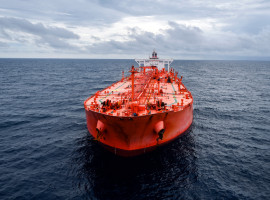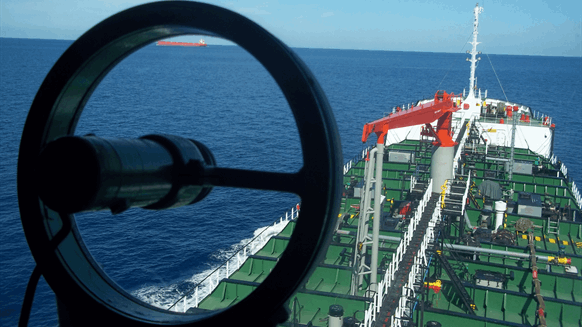
Shippers can transit the Strait of Hormuz via Iranian or Omani and US-coordinated waters, according to the International Maritime Organization, part of a broader plan to evacuate stranded vessels.
The details come after the IMO – shipping’s global regulator – said earlier this week that it has secured the necessary safety guarantees to evacuate more than 11,000 seafarers stranded in the Middle East. The operation is to be carried out in cooperation with Iran, Oman, all other coastal states in the region, the US and the broader maritime industry.
The process is expected to be drawn out, with the IMO stressing that shipmasters should “not move” but must “wait to be contacted” by the coordinating agencies. The vessels will then receive instructions to go to a waiting area and prepare for routing.
Ships can choose their preferred route and should coordinate with the relevant coastal authorities to ensure safe navigation. Iran and Oman are to manage traffic flow and ensure collisions are avoided.
Meanwhile, ships have already been exiting Hormuz, with millions of barrels of oil passing through the waterway in recent days. The Joint Maritime Information Center, a bridge between the military and merchant shipping, recently cautioned industry that Iran is continuing to harass vessels by hailing and surveiling them.
Iran and Oman have said they’ll begin work on finding an agreement over the future administration of the vital waterway, including the cost of managing transits. Oman, meanwhile, also highlighted the importance of “ensuring freedom of navigation in the strait without imposing transit fees” in a post on social media platform X.
What do you think? We’d love to hear from you, join the conversation on the
The is a new social experience created for you and all energy professionals to Speak Up about our industry, share knowledge, connect with peers and industry insiders and engage in a professional community that will empower your career in energy.