By
40 min ago 2 min read
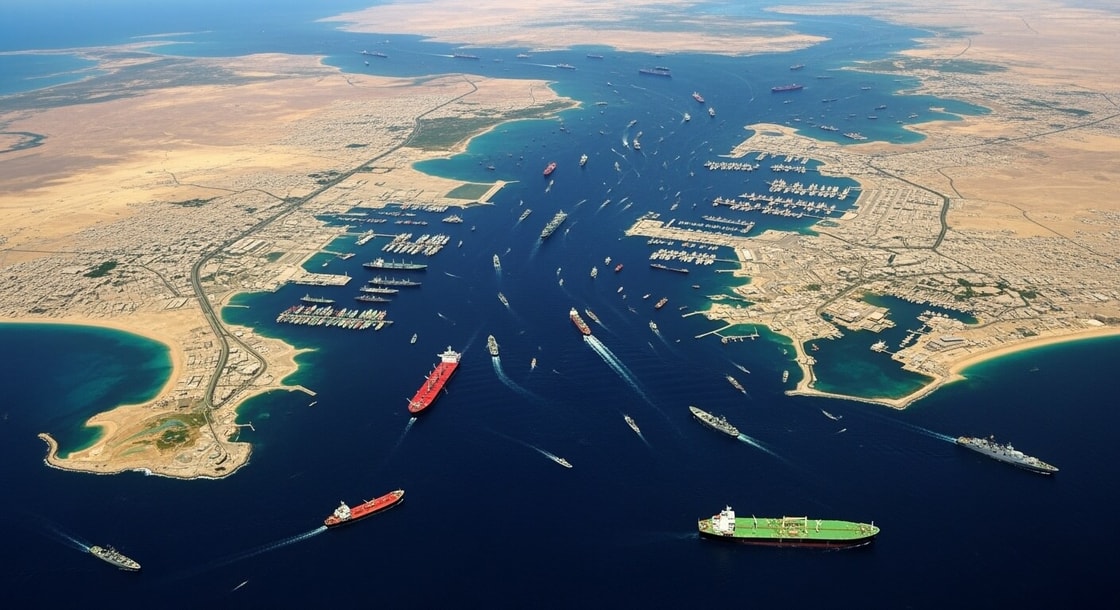
The precarious nature of shipping in the Strait of Hormuz has been underlined by an attack on a cargo vessel near Oman.
The International Maritime Organization, in the midst of a complex operation trying to evacuate the 11,000 seafarers trapped in the Gulf, is pausing the operation following the attack.
The incident coincided with ‘The Day of the Seafarer’, observed internationally each year on 25 June to recognise the essential roles seafarers play in global trade and the risks they bear sustaining it. The US-led naval escort plan, Project Freedom, also remains on pause amid the uncertainties.
Iran and Oman are engaging in diplomatic discussions to define maritime management and services in the strait, as implementation details following the continue to be hammered out.
Optimism rose after the passage of the and a new daily record of crossings was set on Wednesday (24 June), with 78 vessels passing the strait, according to latest data from S&P Global Mint and S&P Global Commodities at Sea.
But tensions between Israel and Lebanon remain ongoing and, together with shipping uncertainty, threaten the wider truce.
Global supply chains continue to bear the brunt of the conflict, with new dynamics exacerbating previous ones.
International markets continue to grapple with LNG and helium supply shortages, given Qatar’s Ras Laffan facility – which recorded a – accounting for a third of global helium supply.
It now transpires one of Russia’s longest-running in a Ukrainian long-range strike after drones attacked the integrated Orenburg gas processing and helium complex.
Following the outbreak of the Middle East conflict, the Russian government imposed temporary export controls. Effective until the end of 2027, Russia restricted helium exports outside the Eurasian Economic Union to require special permission from top officials.
A gasworld ‘Question of the Day’ poll on whether the Iran ceasefire will improve stability and helium confidence in the next six months found the majority of readers believe it is “too early to tell” (38%), reflecting the broader uncertainty.