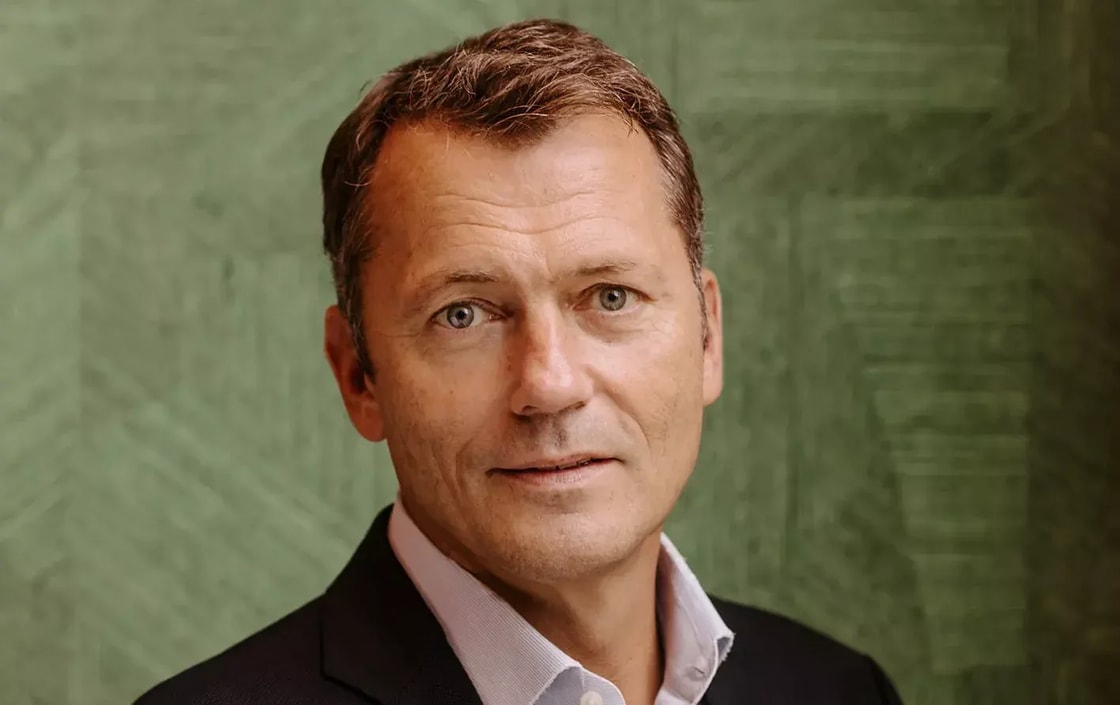
CEO Jan Toschka © Zaffra
South African chemicals and fuels firm Sasol and Danish technology group Topsoe will “wind down” their Zaffra sustainable aviation fuel (SAF) joint venture (JV) just three years after its formation.
The companies said the decision followed a strategic review and that they would instead commercialise their combined technologies through an existing licensing alliance established in 2019.
Set up in 2023, the Dutch JV promised to accelerate the deployment of SAFs – including – by combining Sasol’s Fischer-Tropsch expertise with Topsoe’s clean fuel technologies.
This includes the development of a €500m ($571m) e-SAF project in Germany with renewables firm Enertrag, which has secured over .
While describing the move as an organisational restructuring rather than a retreat from SAF, the companies did not explain why they had concluded that the standalone joint venture was no longer the appropriate vehicle for pursuing the market.
Instead, they said future collaboration would centre on their Single Point Licensor framework, under which six technology licences have already been signed.
The pair have not put a timeline on the wind-down or explained how ongoing JV projects will be managed.
“As the SAF market evolves, it is important that our collaboration model evolves with it,” Said Topsoe CEO Elena Scaltritti.
The announcement follows Topsoe’s decision to its recently opened solid oxide electrolyser factory in Denmark, citing weak demand for green hydrogen. While the companies did not link the two decisions, both come amid a more challenging market for hydrogen-based technologies.
The restructuring also comes as the SAF industry faces rising project costs, high green hydrogen prices, and slower-than-expected final investment decisions, prompting developers and technology providers to reassess how projects are brought to market.