By
42 min ago 4 min read
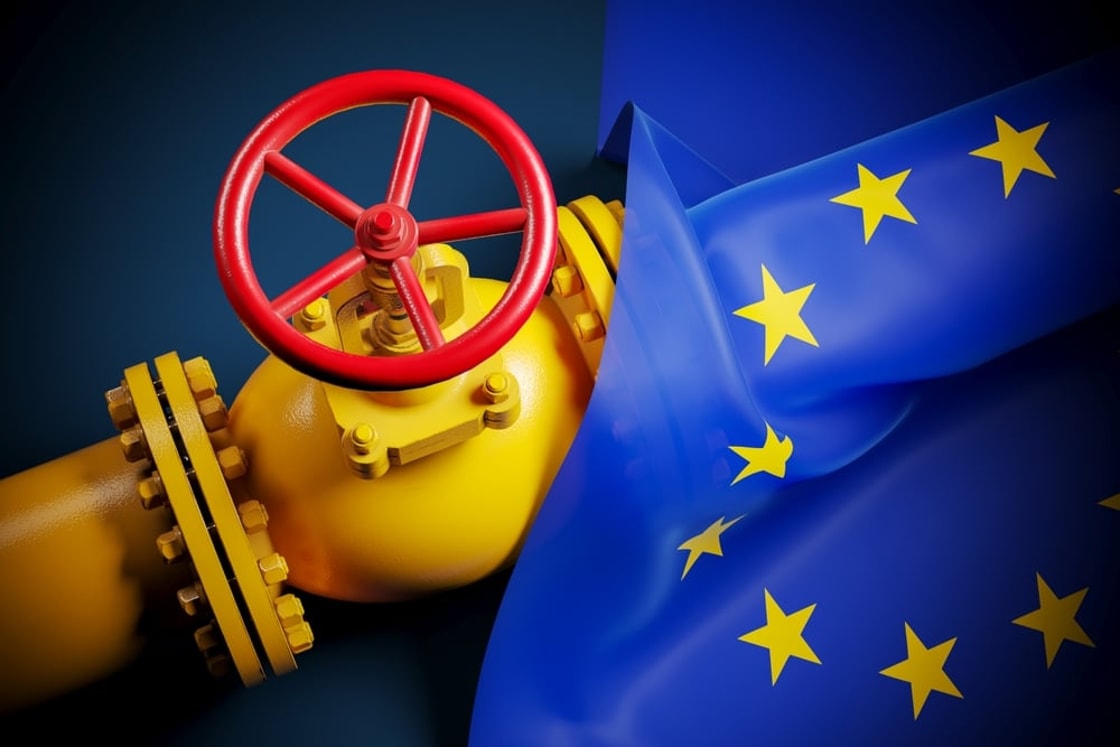
The European Commission has officially rolled out its Biomethane Mechanism. It is a matchmaking platform designed to connect biomethane producers, buyers, and investors across the EU under the EU Energy and Raw Materials Platform.
While the initiative introduces no new subsidies, mandates or regulations, it represents the bloc’s latest effort to address some of the commercial barriers that might otherwise slow biomethane deployment.
Rather than providing direct financial support, the voluntary platform is intended to improve market transparency and help participants identify commercial opportunities through scheduled ‘matching rounds’, the first of which is planned for September.
The Commission argues the mechanism is needed because biomethane production remains concentrated in a handful of member states, leaving many potential buyers and investors without easy access to cross-border suppliers and project partners.
Alongside the matchmaking platform, the mechanism includes a regulatory dashboard providing updates on national policy frameworks. It also offers information on investment conditions and regional financing opportunities to support project development.
The Commission has argued that improving visibility of investment needs, showcasing projects, and connecting developers with potential sources of finance could help secure the capital needed to accelerate deployment and move closer more quickly to the REPowerEU biomethane target.
“With the launch of the Biomethane Mechanism, we are stepping up our support to scale up a homegrown, sustainable energy source that strengthens our security of supply, cuts emissions, and creates new economic opportunities,” said Dan Jørgensen, Commissioner for Energy and Housing.
While the platform is designed to lower barriers to market participation, it stops short of addressing many of the structural challenges that continue to constrain biomethane production, including permitting delays, feedstock availability, project economics and uneven support schemes across member states.
So while the mechanism addresses market connectivity, many of the sector’s biggest obstacles lie elsewhere.
Earlier this year, several European industries associations signed a to make biomethane a ‘central building block’ of EU industrialisation.
The declaration outlined 10 priority actions to accelerate biomethane rollout, including the removal of administrative barriers to certification, trading, and corporate purchasing agreements.
It also suggested the introduction of more incentives, funding mechanisms, and long-term purchasing agreements, in addition to prioritising energy-intensive and hard-to-abate sectors.
Market obstacles
The numerous obstacles that currently hinder the path to a functioning biomethane market was also discussed by Lukasz Kolinski, Director for Green Transition and Energy System Integrate at the Directorate-General for Energy of the European Commission.
“The EU biogas market is a world leader but still has a long way to go. Only eight states produce 90% of biogases, and five produce 95% of biomethane,” he said.
He added that member states foresaw 40% higher volumes of biogas by 2030 than what was actually produced a couple of years ago – provided that hurdles could be overcome.
Read more:
“Producers and investors still encounter too many barriers and challenges such as lengthy and complex permitting procedures, regulatory uncertainty, and social acceptance.”
Policy is just one of many challenges, however, with the variance in feedstock potential and biogas experience creating additional headaches.
“We’re now working on a different approach to legislation through tripartite agreements that unite the European Commission, member states, and industry stakeholders,” added Kolinski.
Irish rule breach
Recent events in Ireland illustrate how those challenges can play out in practice.
In April, the Commission under Ireland’s Renewable Heat Obligation after concluding it breached EU internal market rules by favouring domestic production over imports.
The ruling forced Ireland to redesign a key element of its biomethane support scheme, highlighting the limits of the new Biomethane Mechanism. While the platform may improve market transparency and connect buyers with sellers, investment decisions will continue to depend on stable national policy frameworks that comply with EU rules.