The Rajasthan Electricity Regulatory Commission (RERC) has issued the Third Amendment Regulations, 2026, to update the framework for determining renewable energy tariffs in the state. The regulations were issued on June 30, 2026, by Chairman Dr. Rajesh Sharma along with members Hemant Kumar Jain and Vijay Pal Singh. The order follows a public hearing held on April 2, 2026, where stakeholders shared their views on the proposed changes. The Commission said the amendment is intended to provide continuity, clarity, and a stable regulatory framework for renewable energy projects while balancing the interests of power producers and electricity consumers.
One of the key changes is the extension of the control period for tariff determination. The Commission has extended the validity of the regulations by two years, making them applicable from April 1, 2020, to March 31, 2028. According to RERC, this extension will ensure regulatory stability, avoid policy gaps, and allow renewable energy developers and power distribution companies to continue operating under a consistent tariff framework.
The amendment also revises the method for calculating the Capacity Utilization Factor (CUF) and Plant Load Factor (PLF). In the draft regulations, the Commission had proposed using a fixed value of 8,766 hours in a year for these calculations. However, stakeholders pointed out that a fixed number of hours could create inaccuracies during leap years and non-leap years. After considering these comments, the Commission decided that the total annual hours will now be calculated by multiplying 24 by the actual number of days in the relevant financial year. This revised method is expected to benefit biomass power projects, where electricity generation can vary depending on the seasonal availability of fuel.
The Commission has also aligned its rules on delayed payments with the Ministry of Power’s Late Payment Surcharge Rules, 2022. Under the revised regulations, generating companies will be allowed to levy a late payment surcharge if payments remain unpaid beyond 45 days. RERC stated that adopting the national framework will promote financial discipline and ensure timely payments to power generators.
Another important issue addressed in the amendment relates to the Gross Calorific Value (GCV) of biomass fuel. The draft regulations had proposed reducing the normative GCV from 3,400 kcal/kg to 3,100 kcal/kg. However, procurement agencies, including RUVITL and JVVNL, opposed the proposal. After reviewing their submissions, the Commission decided to retain the existing benchmark of 3,400 kcal/kg. RERC observed that Rajasthan’s dry climate produces agricultural residues such as mustard husk with relatively low moisture content and higher heat value. It also noted that lowering the GCV standard would increase fuel costs and eventually lead to higher electricity tariffs for consumers.
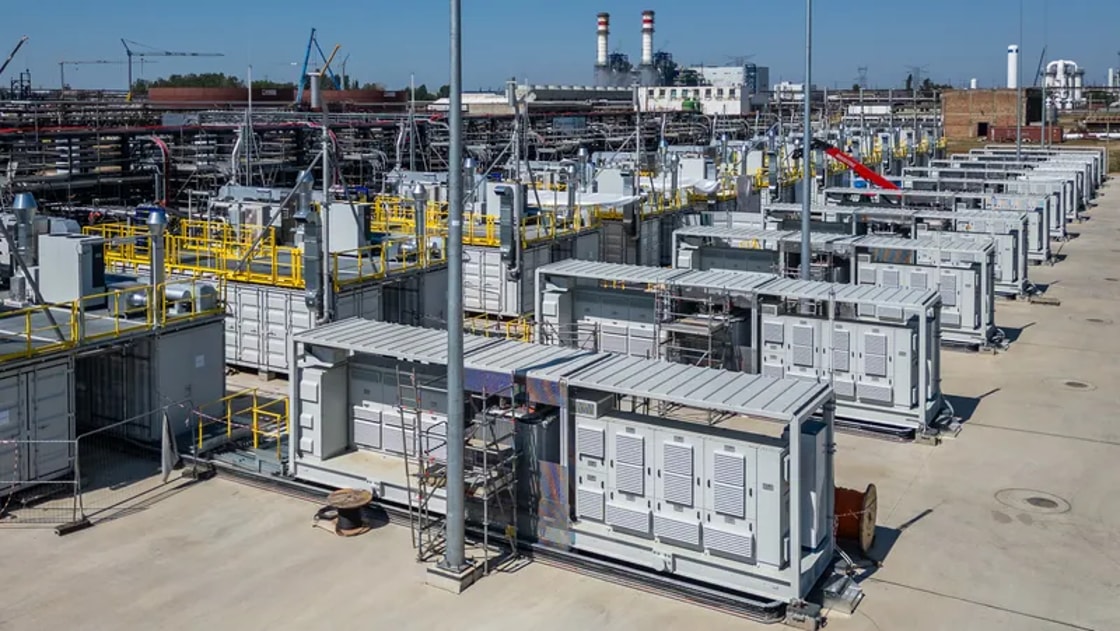
The amendment further introduces provisions for Energy Storage Systems (ESS). It states that the minimum rated capacity of an ESS must be proposed as part of the project and mutually agreed upon by the procuring entity. In addition, solid-state battery systems must achieve a minimum storage efficiency of 85% at the time of commissioning. The regulations also align provisions related to banking, transmission concessions, and cross-subsidy surcharge with the RERC Green Energy Open Access Regulations, 2025, to maintain consistency across Rajasthan’s renewable energy regulatory framework.
Subscribe to get the latest posts sent to your email.