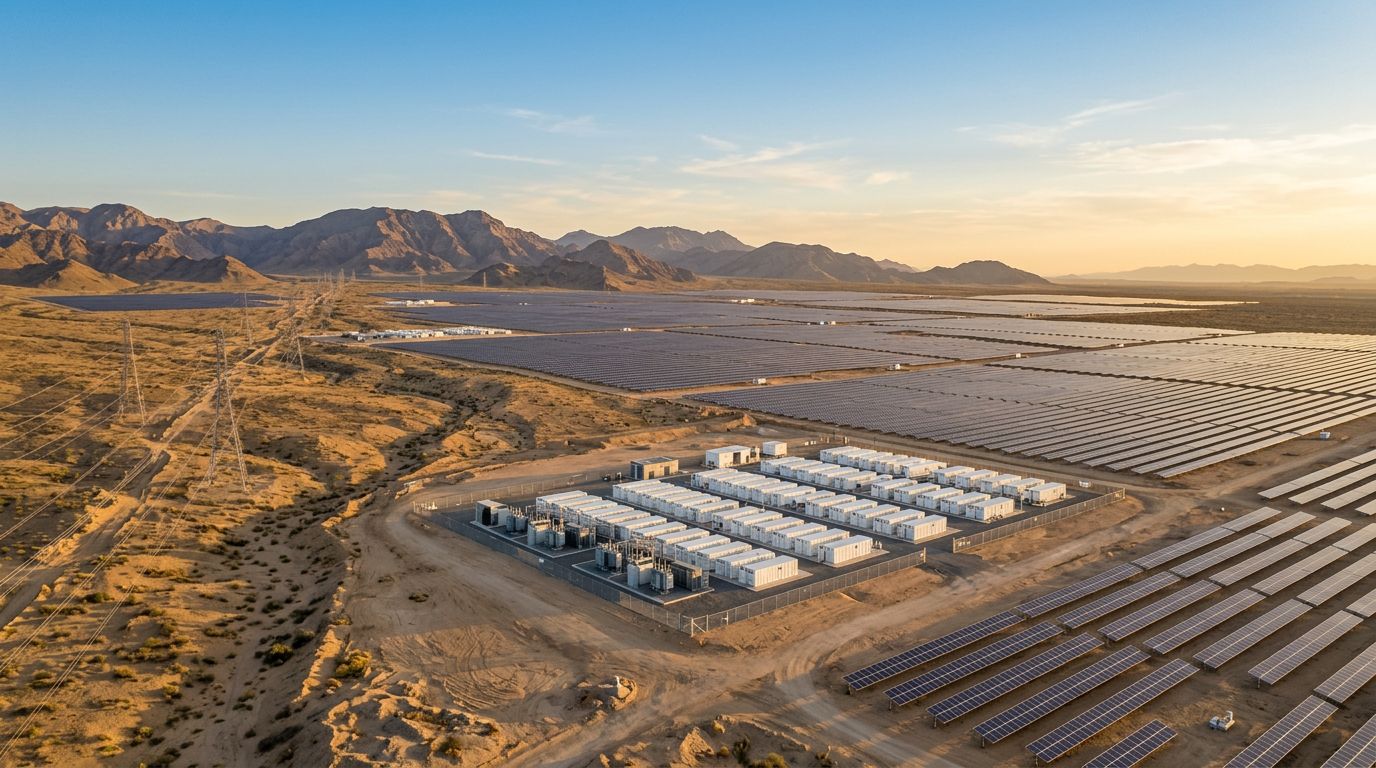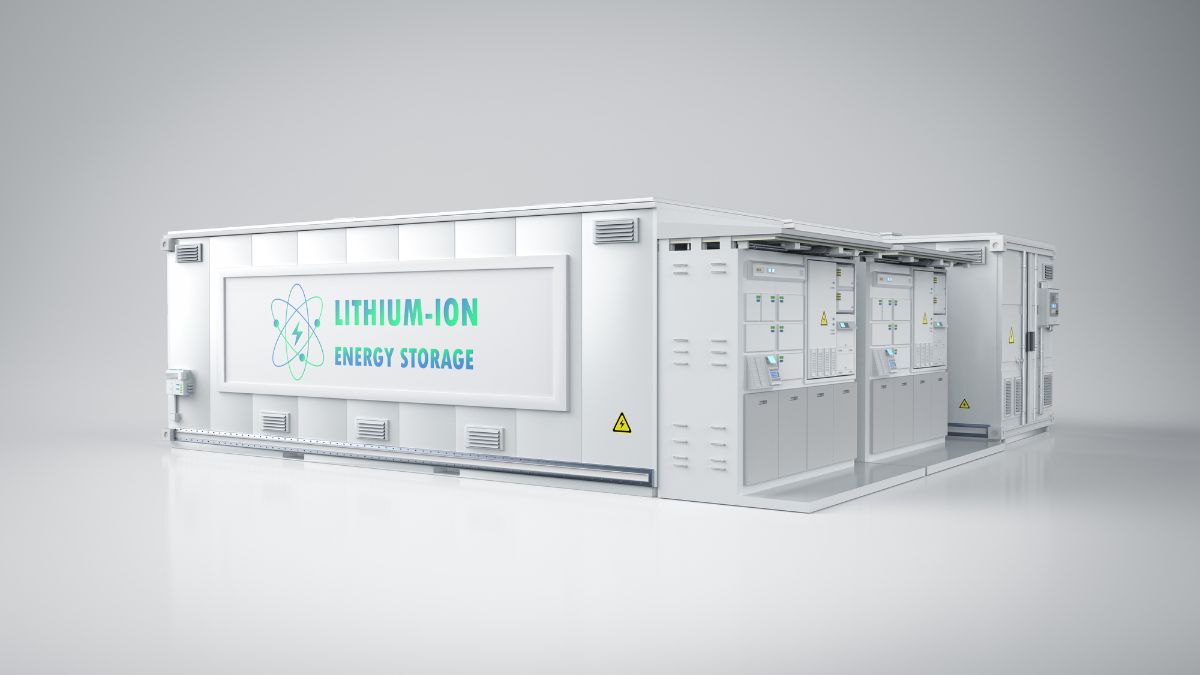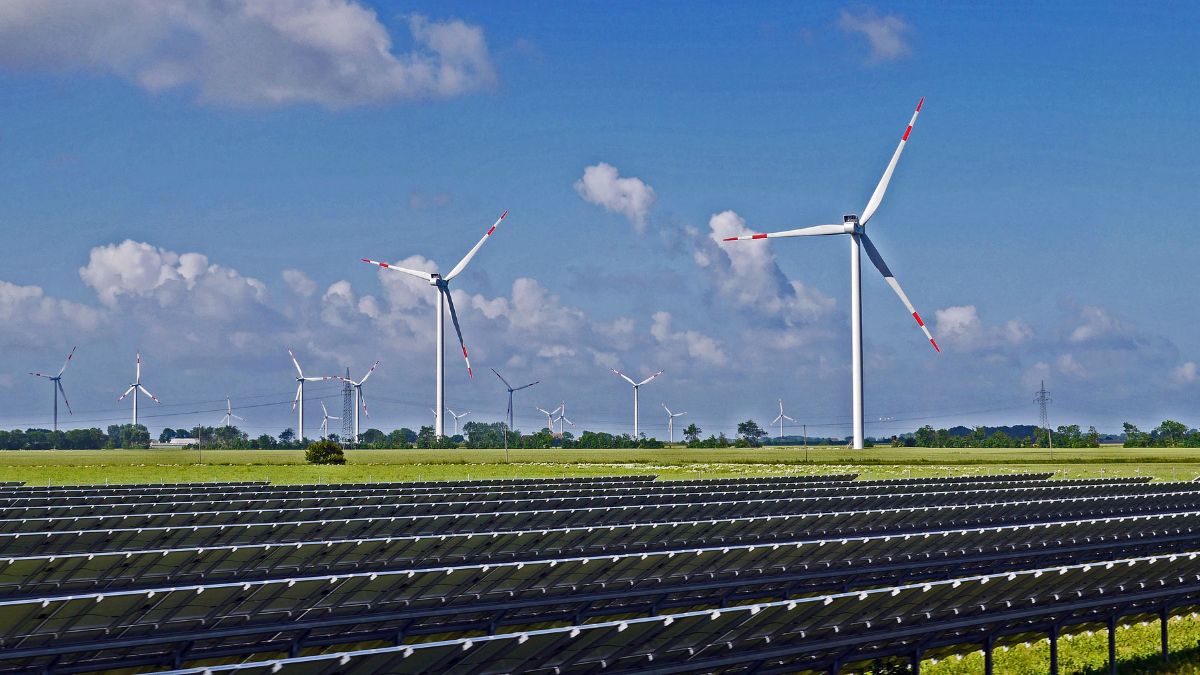
Renewable energy continued to strengthen its position as the world’s most cost-effective source of new electricity generation in 2025, with more than 90% of newly added utility-scale renewable capacity proving cheaper than the lowest-cost fossil fuel alternative, according to the latest Renewable Power Generation Costs in 2025 report released by the International Renewable Energy Agency (IRENA).
The report highlights that renewable technologies maintained their cost advantage over fossil fuels despite ongoing geopolitical uncertainty and rising fuel prices. Utility-scale solar photovoltaic (PV) generation remained steady at USD 44/MWh in 2025, while onshore wind costs declined by 4% to USD 33/MWh, and offshore wind costs fell by 3% to USD 78/MWh.
In contrast, the economics of new fossil fuel-based power generation deteriorated significantly. A shortage of gas turbines nearly doubled the capital cost of new combined-cycle gas power plants in the United States, while generation costs approached USD 100/MWh in gas-dependent markets such as Italy, Germany and Japan. IRENA noted that continued instability in the Middle East is expected to keep global gas prices elevated.
According to the report, renewable energy installations helped avoid an estimated USD 480 billion in fossil fuel costs globally during 2025, reinforcing the role of renewables as a safeguard against volatile fossil fuel markets and geopolitical disruptions.
IRENA Director-General Francesco La Camera said the continued decline in renewable energy costs is delivering significant economic benefits while strengthening energy security. He noted that expanding renewable capacity provides long-term protection against fuel price volatility, helping shield consumers, businesses and public finances from future energy shocks.
Echoing the findings, COP31 President-Designate Murat Kurum said the analysis once again demonstrates the financial advantages of investing in clean energy and stressed the need to accelerate renewable energy deployment and electrification to extend these economic benefits to more people.
The report also examined the impact of geopolitical events on energy markets. Following the closure of the Strait of Hormuz in early 2026, which triggered sharp increases in fuel import prices across Asia and Europe, existing renewable electricity generation provided a significant financial buffer. In Indonesia, Thailand and the Philippines, renewable power capacity installed in 2025 avoided approximately USD 5.7 billion in coal and gas purchases. At the higher fuel prices recorded during the March-May 2026 crisis, the same renewable generation would have represented savings of around USD 6.5 billion.
Across the world’s 20 largest renewable energy markets, representing nearly 80% of global renewable generation, renewable electricity avoided approximately USD 377 billion in fossil fuel purchases during 2025.
China accounted for the largest share of avoided fossil fuel costs at USD 177 billion, reflecting the country’s extensive renewable energy deployment. The United States ranked second with USD 35 billion, followed by Brazil (USD 32 billion), India (USD 18 billion), Germany (USD 18 billion) and Japan (USD 15 billion).
IRENA also noted the remarkable long-term decline in renewable energy costs since 2010. Utility-scale solar PV costs have fallen by 89%, concentrating solar power by 72%, onshore wind by 71%, and offshore wind by 63%, driven largely by rapid manufacturing expansion, particularly in China.
However, the report warns that the period of steep cost reductions is beginning to moderate. Global investment in clean technology manufacturing has declined from a quarterly peak of USD 70 billion in 2023 to approximately USD 35 billion by the end of 2025. At the same time, China’s renewable manufacturing sector is undergoing restructuring, while rising commodity prices, component costs and evolving global trade and tariff policies are expected to place upward pressure on renewable project costs in the near term.
Despite these challenges, IRENA projects that renewable power generation costs will continue to decline through 2035, albeit at a slower pace than witnessed over the past decade.
Subscribe to get the latest posts sent to your email.