The Jordanian government has announced a series of energy reforms to strengthen the country’s power sector, expand renewable energy, and improve the financial performance of the National Electric Power Company (NEPCO). The reforms, outlined under agreements with the International Monetary Fund (IMF), aim to make the electricity system more efficient, reduce production costs, and decrease Jordan’s dependence on imported energy by increasing the use of domestic energy resources.
One of the key measures is the introduction of a Time-of-Use (TOU) electricity tariff for all consumer groups, including households. Under this system, electricity prices will vary depending on the time of day, encouraging consumers to use more electricity during off-peak hours. The government has already installed smart electricity meters for about 95% of consumers, and full installation is expected by the middle of 2026. The TOU tariff is planned to be introduced by the end of 2026. Jordan also plans to establish an automated energy control center by late 2026 to improve the monitoring of renewable energy generation and enhance overall grid management.
The reforms come as Jordan’s energy sector continues to face financial challenges due to disruptions in natural gas supplies from the Eastern Mediterranean following regional conflicts. The supply interruptions forced NEPCO to purchase more expensive fuel oil and liquefied natural gas from the spot market. As a result, the company recorded additional losses of JOD 87 million in March 2026, while total losses for the year are expected to reach around JOD 573 million.
To ensure uninterrupted electricity supply, the government allowed NEPCO to use strategic fuel reserves and temporarily removed customs duties on imported energy products. Despite these challenges, Jordan’s efforts to diversify its energy mix helped reduce the impact of the supply disruptions. Renewable energy currently contributes around 27% of the country’s electricity generation, while oil shale accounts for another 15%. Natural gas supplies have also started to recover gradually.
The government has also approved the National Energy Strategy for 2026–2035, which aims to achieve complete self-sufficiency in natural gas production. A major part of the strategy includes developing the Risha gas field through the drilling of 80 new wells and building a pipeline connecting the field to the Arab Gas Pipeline by 2029. Once completed, the project is expected to produce enough natural gas to meet Jordan’s annual domestic demand.
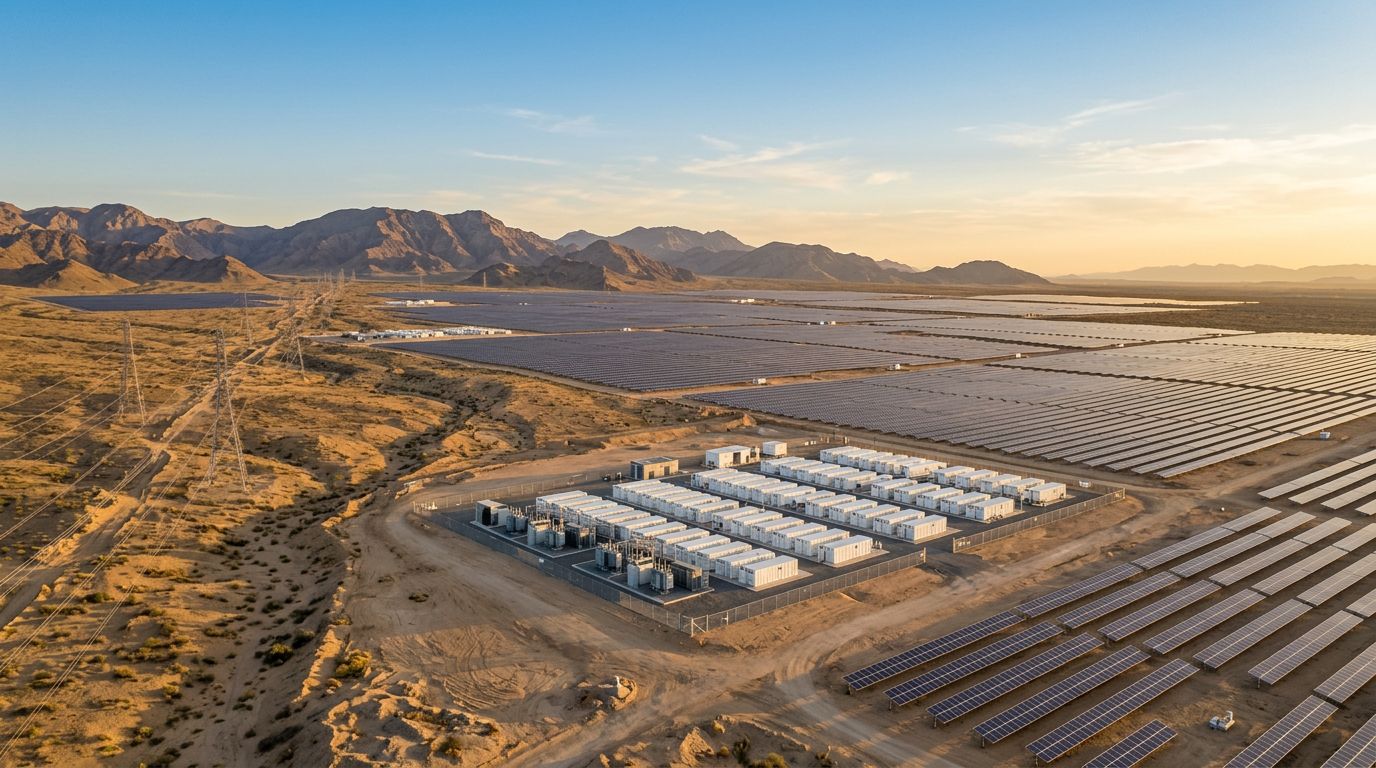
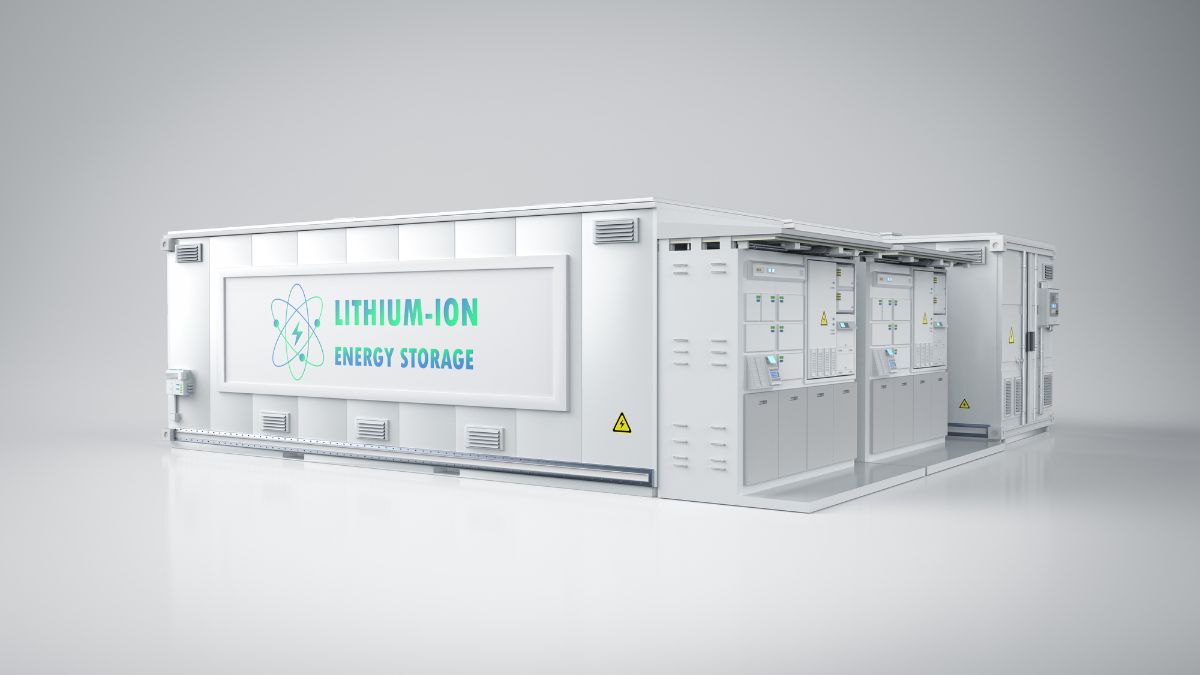
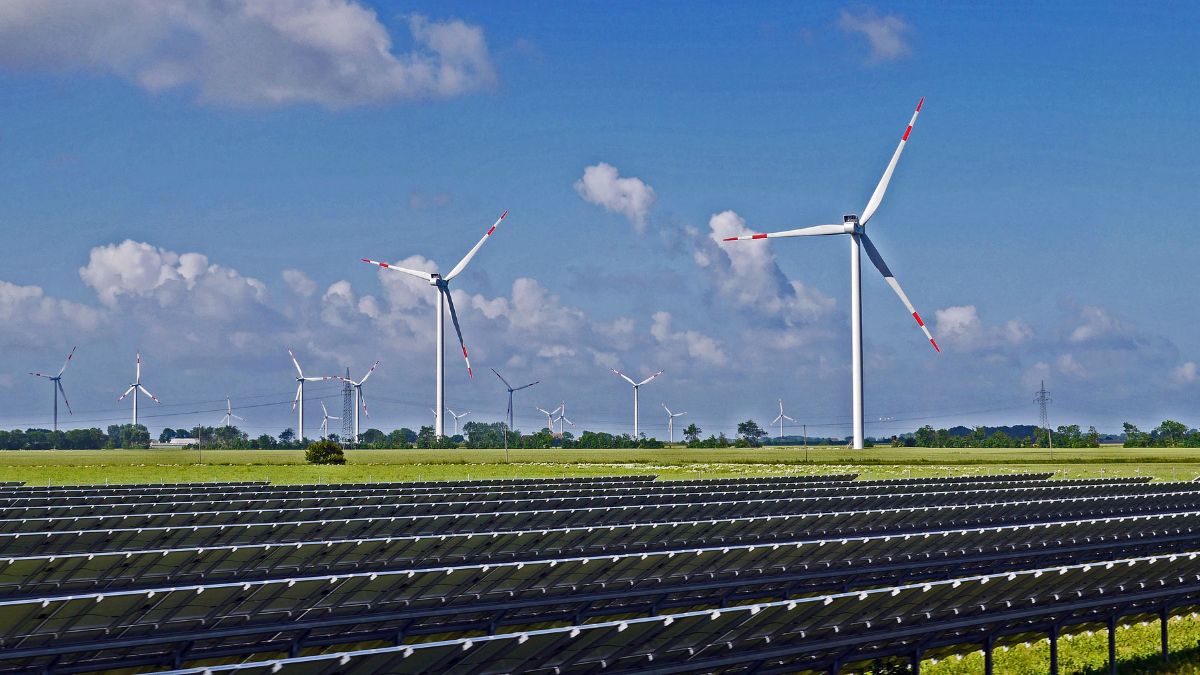
In addition, Jordan plans to accelerate renewable energy development through public-private partnerships. Planned projects include a 450 MW pumped-storage hydropower plant, a 200 MW solar power project, a 100 MW wind farm, and a 100 MW battery energy storage system. These projects are expected to reduce peak electricity demand by 300 MWh over the next three years while improving grid stability and supporting the country’s long-term transition toward a cleaner and more sustainable energy system.
Subscribe to get the latest posts sent to your email.