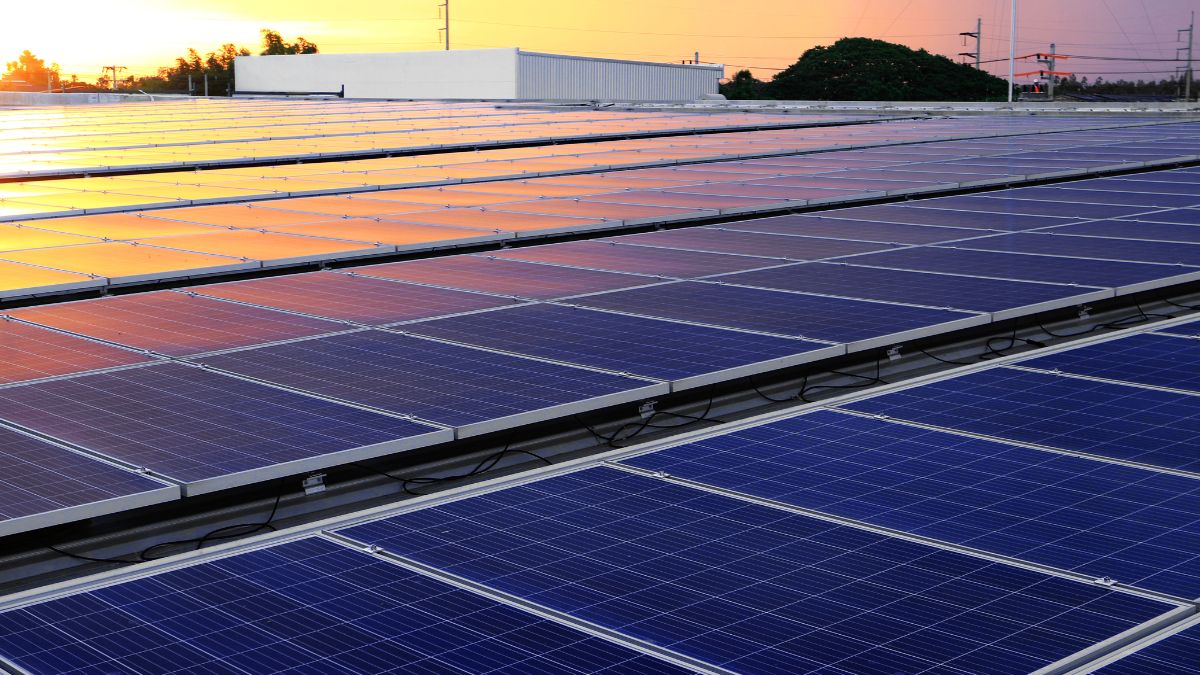
Bhutan has achieved an important milestone in its renewable energy journey with the successful commissioning of Subproject 1 under the Distributed Solar for Public Infrastructure Project (DSPIP). As part of this phase, solar photovoltaic (PV) systems with a total installed capacity of 7.83 Megawatt-peak (MWp) have been installed on the rooftops of 187 public infrastructure buildings. These installations are located across Thimphu and at facilities operated by the Druk Green Power Corporation (DGPC), including the Basochhu and Chhukha Hydropower Plants. The first subproject has been completed at a total cost of Nu. 454.84 million.
The project is the first phase of the larger USD 30 million DSPIP program, which is being financed by the Asian Development Bank (ADB). The program will be implemented between 2024 and 2028 through four separate subprojects. Once completed, it aims to install a total of 35 MWp of solar PV capacity by making use of technically suitable public infrastructure across Bhutan.
DGPC is implementing the project in line with the Royal Government of Bhutan’s National Energy Policy 2025 and the National Solar Energy Roadmap 2025. These policies aim to develop 5,000 MW of solar PV capacity by 2040. The government sees solar energy as an important addition to the country’s hydropower sector, helping to diversify the energy mix and improve long-term energy security.
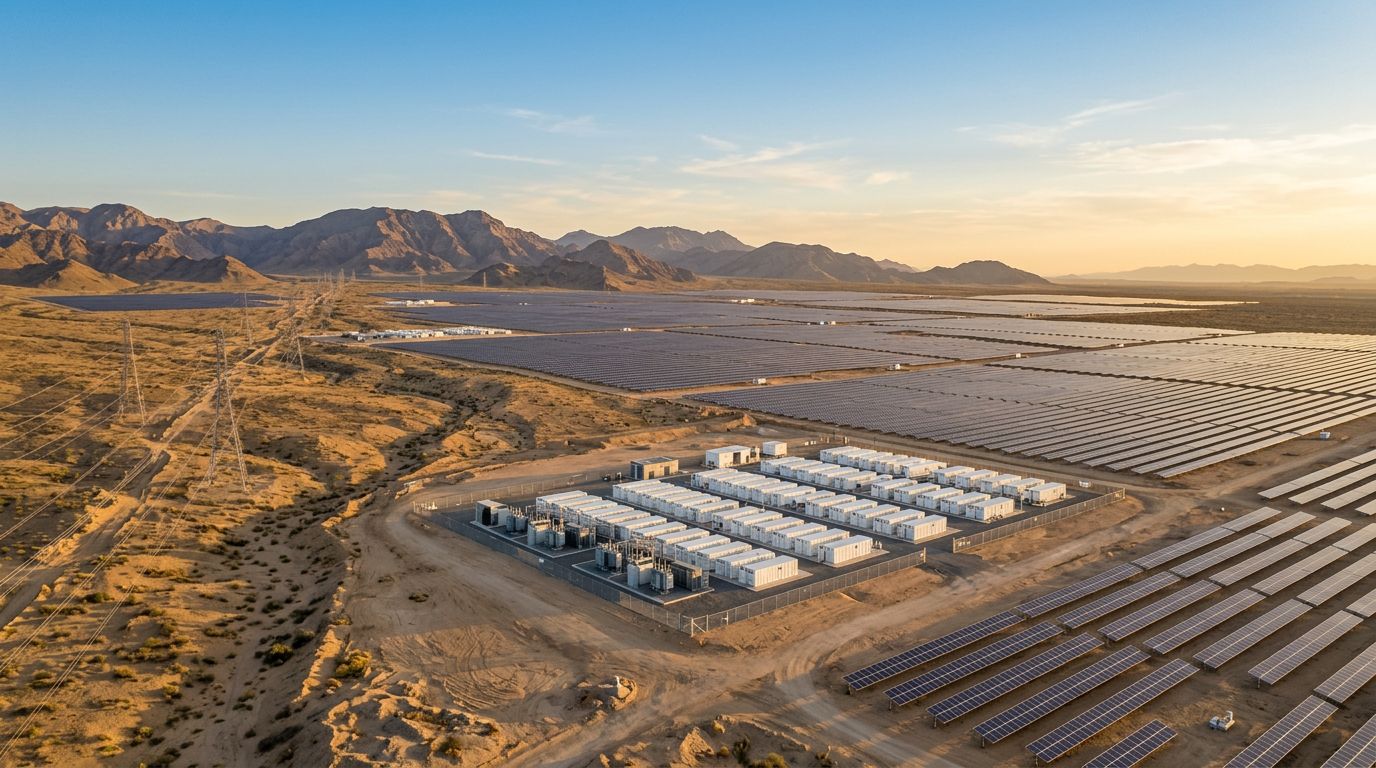
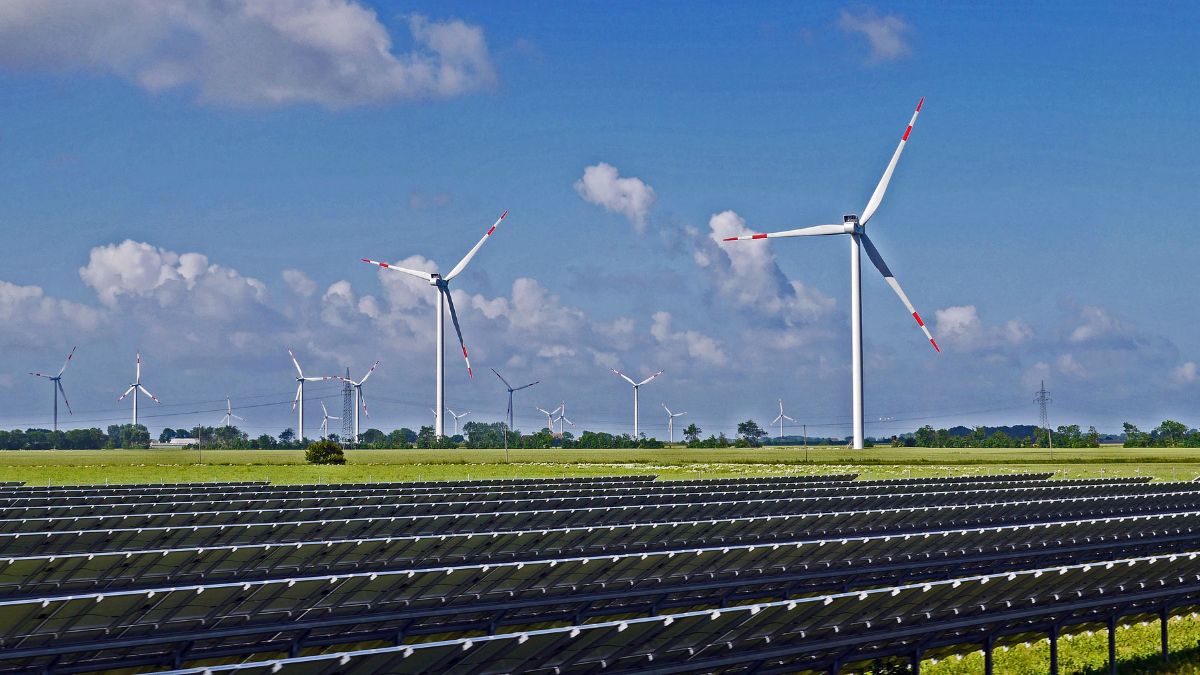
Solar power is expected to play a key role during the dry winter season from November to May, when river water levels decline and hydropower generation is reduced. By complementing the country’s planned 20,000 MW hydropower capacity, solar energy will help maintain a more stable and reliable electricity supply throughout the year.
The project also highlights the wider benefits of grid-connected solar systems. Along with generating clean electricity, the installations are expected to strengthen climate-resilient infrastructure, increase the national power supply, and reduce transmission losses. The initiative has also contributed to local skill development and employment opportunities in the renewable energy sector.
Subscribe to get the latest posts sent to your email.