As we celebrate America’s 250th birthday, one of the finest blessings our Founders gave our nation stands out with particular clarity: the system of free enterprise. That system did not merely enable liberty and prosperity in the abstract. It unleashed the human ingenuity, risk-taking, and capital allocation that turned America into the world’s unrivaled energy superpower.
Get the Latest US Focused Energy News Delivered to You! It’s FREE:
From the coal age that fueled the Industrial Revolution, through the oil age that powered the 20th century, to the LNG age we now dominate, American free enterprise has repeatedly delivered technological leadership and abundance. No central planner designed these revolutions. Entrepreneurs, engineers, and investors did, operating in a system that rewards results above political connections.
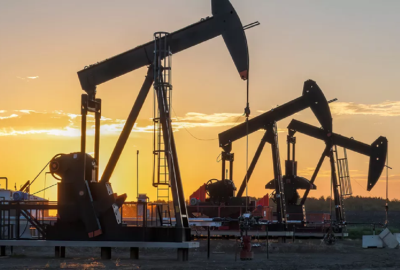
Today that legacy is unmistakable. The United States leads the world by a wide margin in the production of both oil and natural gas. We have also become the world’s largest exporter of liquefied natural gas, shipping reliable energy to allies across Europe and Asia who once relied on less friendly suppliers. While some critics like to call this an accident of geology, they’re wrong. America’s LNG dominance is the direct result of the shale revolution, advanced drilling techniques, and a policy environment that, when properly structured, lets markets work.
America once held a similar commanding position in nuclear power. We built the world’s first commercial reactor and led in reactor technology for decades. Then came the 1979 . Irrational fears, amplified by media and activists, led to a bureaucratic paralysis in the Nuclear Regulatory Commission which stalled new construction for two generations. Promising projects died in paperwork as existing plants faced endless regulatory hurdles. America fell behind while other nations pressed forward.
Today, that era is ending. The Trump administration is delivering a major push to revitalize America’s nuclear power industry. Energy Secretary Chris Wright and Interior Secretary Doug Burgum have announced major project milestones in recent weeks, including new loan programs to support large-scale reactors and breakthroughs on advanced designs such as microreactors that have already achieved criticality. These steps signal a return to regulatory sanity and a recognition that abundant, reliable, carbon-free baseload power is essential for both economic growth and national security.
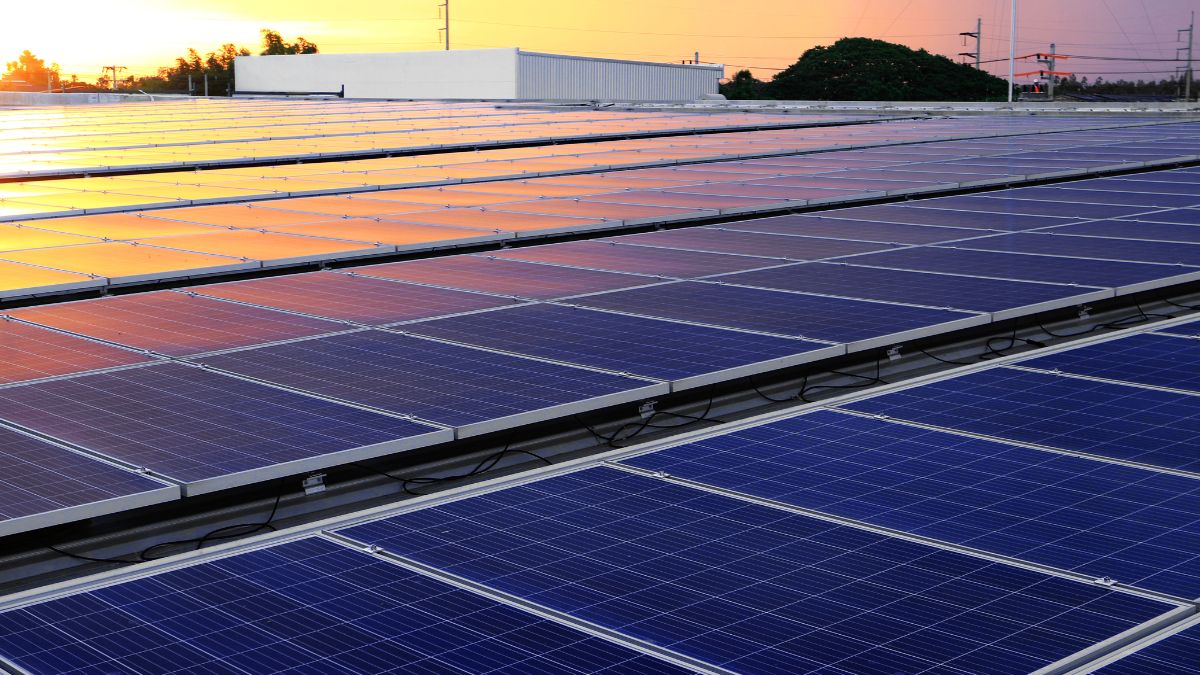
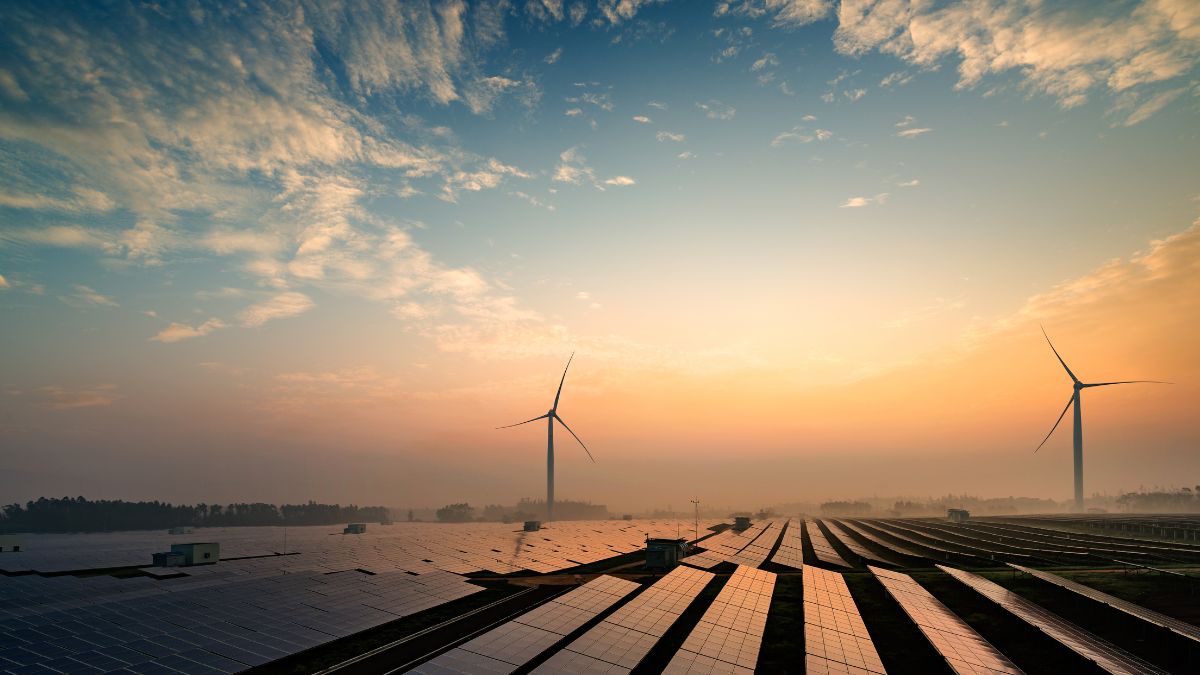
Wind and solar have also established a robust presence on every major U.S. regional grid. These intermittent sources now deliver meaningful power to homes and businesses when the weather cooperates. American companies and workers have built real expertise and infrastructure in these sectors. Yet the United States remains far behind China in manufacturing scale and deployment speed, and subservient to the Chinese Communist Party for the raw materials that make them work.
As Secretary Wright this week, the massive Biden-era subsidies that distorted markets and enriched foreign supply chains begin phasing out this month. That transition will test the true competitiveness of these technologies without artificial support. Their future contribution will depend on genuine cost reductions and technological improvement, not ever-rising subsidies from taxpayers and ratepayers.
America’s dominant position across fossil fuels, its returning strength in nuclear power, and its established role in renewables together form an unmatched energy portfolio. This abundance has been no small factor in making the United States the world’s dominant geopolitical power. Reliable, affordable energy underpins manufacturing resurgence, data-center growth, and an enduring military edge that deters adversaries. It keeps our economy the envy of the world, with lower energy costs than most competitors and the flexibility to adapt to new demands.
Most importantly, energy dominance sustains the God-endowed freedoms our Founders secured. Cheap, reliable power frees families from energy poverty. It powers the innovations that improve daily life. It supports the industries that create the jobs and wealth that let individuals and communities flourish according to their own lights rather than government dictates.
On this 250th anniversary, we should give thanks not only for the Declaration of Independence and the visionaries who created it, but for the practical system of ordered liberty that turned a resource-rich continent into the engine of global progress. Free enterprise did not merely discover America’s energy wealth. It developed it, refined it, and continues to expand it. That is a blessing worth celebrating not just this weekend, but every day.
|
|
||||
As we celebrate America’s 250th birthday, one of the finest blessings our Founders gave our nation stands out with particular clarity: the system of free enterprise. That system did not merely enable liberty and prosperity in the abstract. It unleashed the human ingenuity, risk-taking, and capital allocation that turned America into the world’s unrivaled energy superpower.
From the coal age that fueled the Industrial Revolution, through the oil age that powered the 20th century, to the LNG age we now dominate, American free enterprise has repeatedly delivered technological leadership and abundance. No central planner designed these revolutions. Entrepreneurs, engineers, and investors did, operating in a system that rewards results above political connections.
Today that legacy is unmistakable. The United States leads the world by a wide margin in the production of both oil and natural gas. We have also become the world’s largest exporter of liquefied natural gas, shipping reliable energy to allies across Europe and Asia who once relied on less friendly suppliers. While some critics like to call this an accident of geology, they’re wrong. America’s LNG dominance is the direct result of the shale revolution, advanced drilling techniques, and a policy environment that, when properly structured, lets markets work.
America once held a similar commanding position in nuclear power. We built the world’s first commercial reactor and led in reactor technology for decades. Then came the 1979 . Irrational fears, amplified by media and activists, led to a bureaucratic paralysis in the Nuclear Regulatory Commission which stalled new construction for two generations. Promising projects died in paperwork as existing plants faced endless regulatory hurdles. America fell behind while other nations pressed forward.
Today, that era is ending. The Trump administration is delivering a major push to revitalize America’s nuclear power industry. Energy Secretary Chris Wright and Interior Secretary Doug Burgum have announced major project milestones in recent weeks, including new loan programs to support large-scale reactors and breakthroughs on advanced designs such as microreactors that have already achieved criticality. These steps signal a return to regulatory sanity and a recognition that abundant, reliable, carbon-free baseload power is essential for both economic growth and national security.
Wind and solar have also established a robust presence on every major U.S. regional grid. These intermittent sources now deliver meaningful power to homes and businesses when the weather cooperates. American companies and workers have built real expertise and infrastructure in these sectors. Yet the United States remains far behind China in manufacturing scale and deployment speed, and subservient to the Chinese Communist Party for the raw materials that make them work.
As Secretary Wright this week, the massive Biden-era subsidies that distorted markets and enriched foreign supply chains begin phasing out this month. That transition will test the true competitiveness of these technologies without artificial support. Their future contribution will depend on genuine cost reductions and technological improvement, not ever-rising subsidies from taxpayers and ratepayers.
America’s dominant position across fossil fuels, its returning strength in nuclear power, and its established role in renewables together form an unmatched energy portfolio. This abundance has been no small factor in making the United States the world’s dominant geopolitical power. Reliable, affordable energy underpins manufacturing resurgence, data-center growth, and an enduring military edge that deters adversaries. It keeps our economy the envy of the world, with lower energy costs than most competitors and the flexibility to adapt to new demands.
Most importantly, energy dominance sustains the God-endowed freedoms our Founders secured. Cheap, reliable power frees families from energy poverty. It powers the innovations that improve daily life. It supports the industries that create the jobs and wealth that let individuals and communities flourish according to their own lights rather than government dictates.
On this 250th anniversary, we should give thanks not only for the Declaration of Independence and the visionaries who created it, but for the practical system of ordered liberty that turned a resource-rich continent into the engine of global progress. Free enterprise did not merely discover America’s energy wealth. It developed it, refined it, and continues to expand it. That is a blessing worth celebrating not just this weekend, but every day.
Share This:
More News Articles