Thursday, 6 February 2025

At the site, contaminated water – in part used to cool melted nuclear fuel – is treated by the Advanced Liquid Processing System (ALPS), which removes most of the radioactive contamination, with the exception of tritium. About 1.3 million tonnes of water has so far been treated and is currently stored in about 1000 tanks on site.
Tokyo Electric Power Company (Tepco) said it is currently dismantling the flanged tanks in E area in order to make space to construct facilities for retrieving fuel debris from unit 2, and it also plans to build facilities to retrieve fuel debris from unit 3 in the J8/J9 areas near E area.
The dismantling will start with the J9 area tanks which will be emptied first in conjunction with the discharge of ALPS treated water into the sea. “Preparations, such as treating the residual water in the J9 area tanks and removing obstructions in the vicinity, etc, began in July 2024, and since 4 February we have been removing the connecting pipes between the tanks as part of preparations,” Tepco said. It noted that dose measurements have confirmed that radiation levels inside all of the J9 area tanks are equal to background levels.
The J8/J9 area tank dismantling implementation plan was approved on 3 February.
“Since the J8 area tanks are being used to store treated water to be re-purified, this water needs to be transferred to another tank group that has been emptied, so dismantling will commence after this water has been transferred,” Tepco said.
The company said dismantling of the J9 area tanks will begin on 13 February at the earliest, but first it will start removing the top lids of the tanks. It expects tank dismantling to be completed around the end of FY2025.
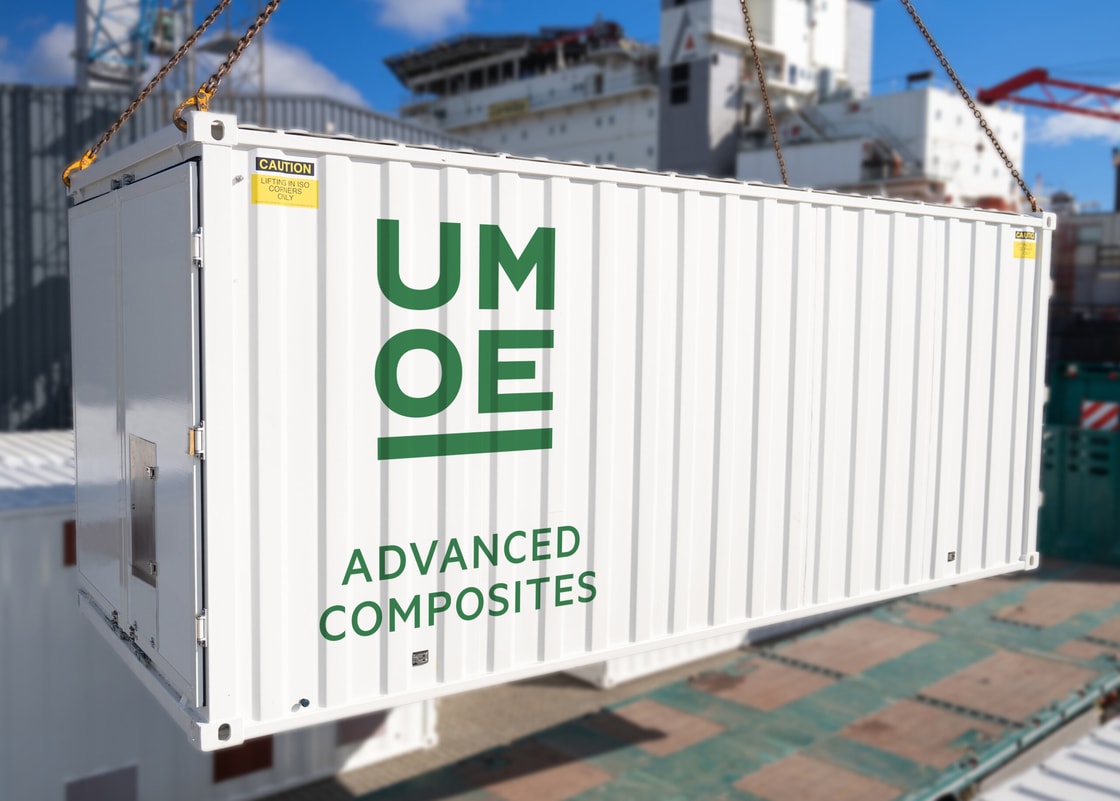
The top lids (including ladders) will be dismantled by removing the bolts and cutting them with gas cutting machines. The sidewalls and bases of the tanks will be cut with gas cutting machines and the segments moved with a crane. The dismantled segments (top lid, sidewalls, base, ladders, etc) will be cut into sizes that can fit inside a shipping container and stored in 20-foot full height containers.
Tepco plans to use about 3.5 20-foot full height containers for each tank – there are 12 tanks in total in the J9 area, so approximately 42 containers will be used.
“Since these will be the first welded tanks to be dismantled, we shall accumulate knowledge, confirm procedures, and prioritise safety as we move ahead with dismantling while refraining from conforming to the schedule for schedule’s sake,” Tepco said.