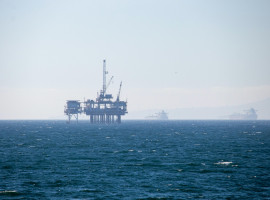
(Bloomberg) — Oil prices jumped Wednesday after U.S. President Donald Trump declared that the ceasefire with Iran was effectively over and said the United States would “probably” launch additional military strikes, raising the prospect of renewed conflict in one of the world’s most important oil-producing regions.
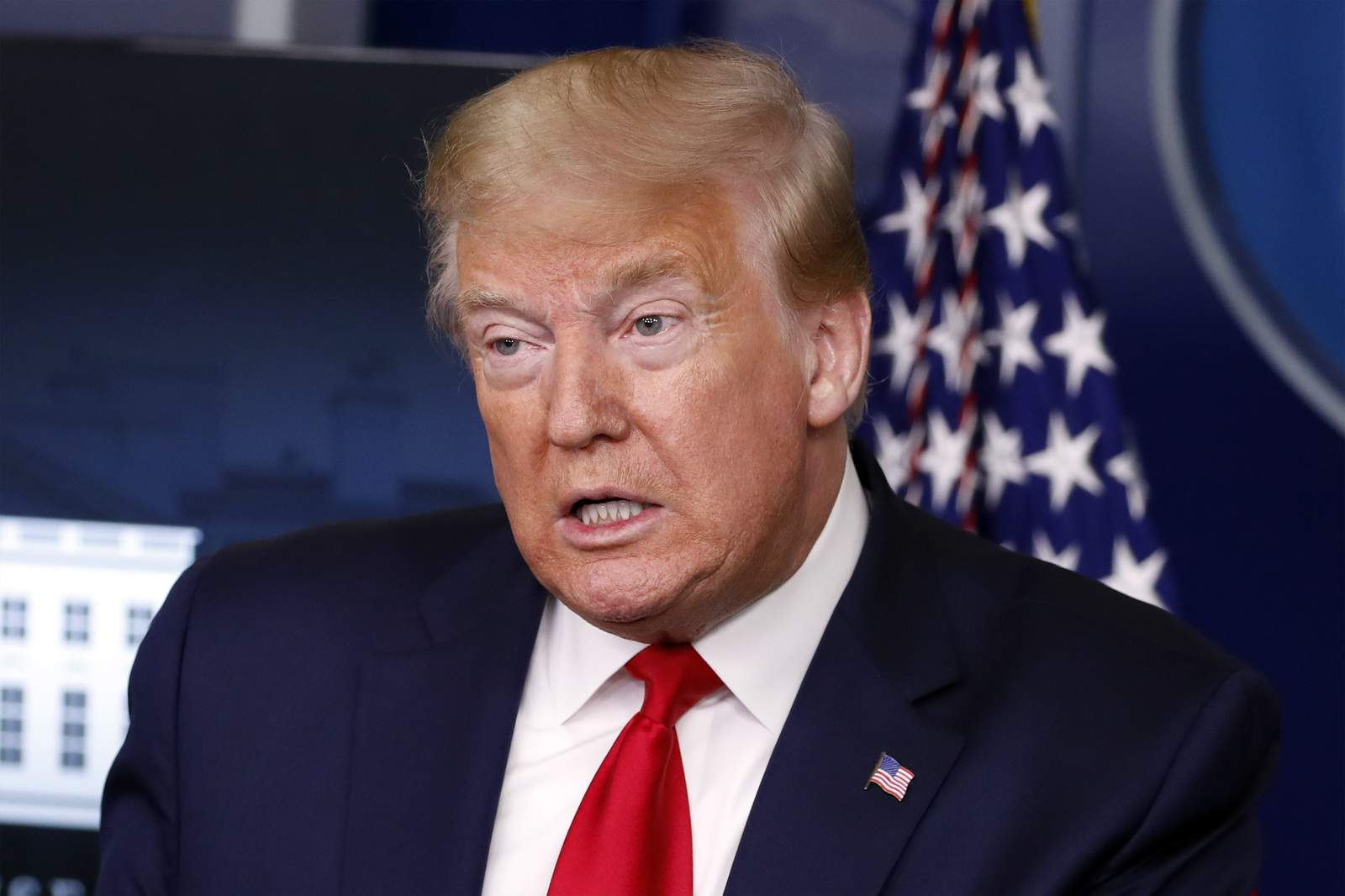
Speaking on the sidelines of the NATO summit in Ankara, Trump said the U.S. had struck Iran “very hard” overnight and indicated further military action could follow.
“We hit them very hard last night,” Trump said. “Probably hit them hard again tonight.”
The comments came hours after U.S. forces struck more than 80 targets in Iran and Washington revoked a sanctions waiver that had allowed Tehran to resume global oil exports following an interim peace agreement reached in June.
The military action followed a series of attacks on commercial shipping in the Strait of Hormuz, including a Qatari LNG carrier and two large crude tankers, the largest single day of maritime attacks since the ceasefire took effect. Washington blamed Iran for the incidents.
Brent crude futures climbed as much as 7% following Trump’s remarks before trimming some gains, while West Texas Intermediate also rose sharply.
The renewed hostilities threaten to disrupt traffic through the Strait of Hormuz, the critical waterway that carries a significant share of the world’s seaborne crude oil and LNG exports. Although some tankers continued transiting the strait Wednesday, other vessels reportedly turned back, while Western naval forces raised the threat level for merchant shipping in the region from “substantial” to “severe.”
Iran has continued to assert control over the strategic waterway, telling the International Maritime Organization this week that it has authority over portions of the strait and that transits require its approval.
The conflict also clouds the outlook for global crude supplies. Before the latest strikes, the U.S. Treasury revoked a sanctions waiver that had enabled Iran to significantly increase oil exports after the June ceasefire, placing millions of barrels per month of Iranian crude back into question.
“Renewed tensions in the Middle East and concerns that the vessel attacks could reduce oil exports from the Middle East are supporting prices,” said Giovanni Staunovo, a commodity analyst at UBS Group.
The latest escalation reverses the sharp decline in oil prices seen during the second quarter, when easing hostilities and the reopening of the Strait of Hormuz had fueled expectations of improving global supplies.