Australia and India have taken another significant step in strengthening their strategic partnership by placing greater emphasis on energy security, clean energy cooperation, and resilient supply chains. During a meeting in Melbourne, Australian Prime Minister Anthony Albanese and Indian Prime Minister Narendra Modi welcomed a new Joint Statement on Energy Security, reaffirming their commitment to working together on reliable energy supplies while accelerating the transition to cleaner sources of energy.
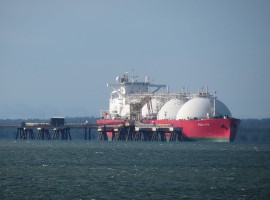
The joint statement recognizes the importance of expanding renewable energy and promoting electrified energy systems to support global climate goals. At the same time, both countries stressed that conventional energy sources such as coal, natural gas, diesel, and other liquid fuels will continue to play an important role in maintaining stable and secure energy supplies during the transition. Australia remains a long-term supplier of coal and liquefied natural gas to India, while India has become Australia’s fourth-largest source of refined petroleum products, reflecting the growing energy trade between the two nations.
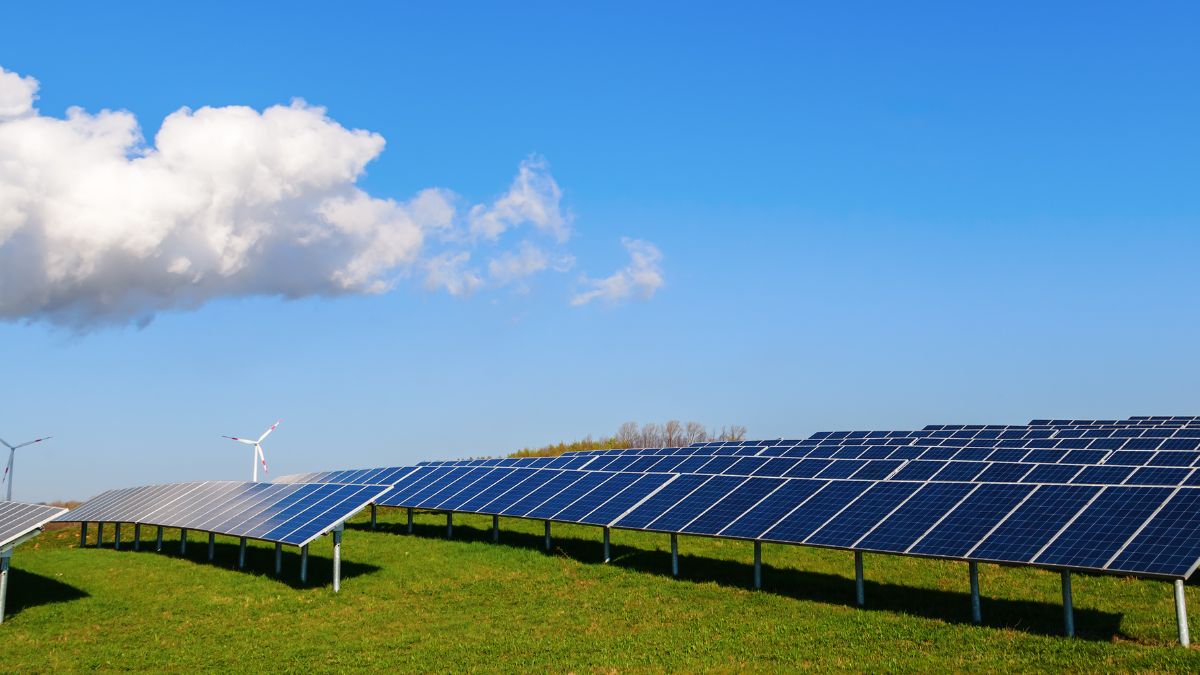
Climate action also featured prominently in the discussions. The two leaders welcomed the progress made under the India-Australia Renewable Energy Partnership, which aims to strengthen collaboration in clean energy technologies. One of the key achievements highlighted was the inauguration of the Rooftop Solar Training Academy in Gujarat. The academy will help develop skilled professionals by combining Australian expertise with India’s rapidly expanding solar sector, supporting the country’s renewable energy ambitions.
Another major development is the signing of an Administrative Arrangement that enables Australia to export uranium to India for peaceful civilian use. The arrangement operates under the bilateral agreement signed in 2015 and is expected to support India’s efforts to expand its non-fossil fuel electricity generation while creating new opportunities for Australia’s mining industry.
The partnership is also expanding into the critical minerals sector. Geoscience Australia and the Geological Survey of India have renewed their Memorandum of Understanding to enhance cooperation in geological mapping and mineral exploration. These minerals are essential for manufacturing batteries, electric vehicles, and other clean energy technologies.
In addition, the Australian Government has restored Major Project Status to the Perdaman Project Ceres in Western Australia. Supported by nearly 750 million Australian dollars in government loans, the project aims to establish Australia’s largest urea production facility. The initiative is expected to strengthen global fertilizer supply chains, improve food security, and create new trade opportunities between Australia and India.
The latest agreements demonstrate the shared commitment of both countries to building secure, diversified, and sustainable energy systems while strengthening long-term economic cooperation and supporting the global transition toward cleaner energy.
Subscribe to get the latest posts sent to your email.