City Labs specialises in designing, developing, and manufacturing advanced nuclear micropower technology based on tritium, enabling long-life, maintenance-free power for medical, industrial, and space applications. Its NanoTritium platform delivers reliable micropower where conventional energy sources are impractical.
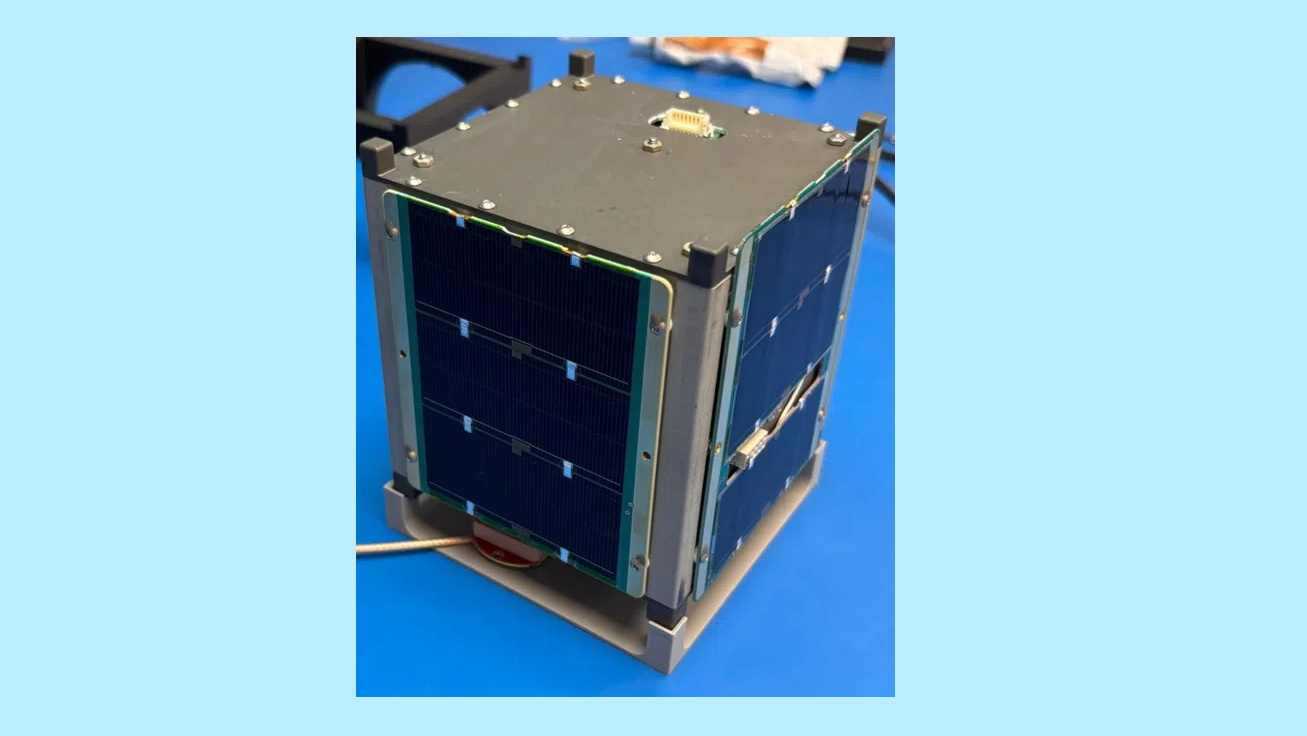
The company’s Betavoltaic Orbital High-Reliability (BOHR) satellite was among 81 payloads delivered in the 17th Transporter rideshare mission by Falcon 9, a reusable, two-stage rocket designed and manufactured by SpaceX for the transport of people and payloads into Earth orbit and beyond. Falcon 9 is the world’s first orbital-class reusable rocket.
City Labs said the BOHR mission demonstrates its proprietary NanoTritium betavoltaic technology in orbit as a dedicated payload power source, providing continuous, long-duration electrical power independent of solar energy. “This milestone establishes a new class of spacecraft capabilities, enabling persistent operation of critical subsystems where traditional power systems fall short,” it said. “This includes deep space, permanently shadowed lunar regions, and long-duration autonomous sensor networks.”
The BOHR satellite utilises conventional solar power for satellite bus operations, while the NanoTritium system is used to power and validate the payload demonstration.
“This is a historic step for commercial nuclear power in space,” said City Labs CEO Peter Cabauy. “BOHR demonstrates that safe, compact, and regulatory-approved nuclear power systems are ready for routine commercial deployment. This capability enables persistent, always-on payload operations that are not constrained by sunlight or battery life.”
The BOHR satellite is the first commercial nuclear mission to exercise the US Federal Aviation Administration (FAA) pathway for nuclear launch approval as laid out in National Security Presidential Memorandum-20. The launch safety analysis was prepared by City Labs and independently reviewed, validated, and supported in regulatory engagement by Sandia National Laboratories.
On 30 September last year, the FAA issued its affirmative payload authorisation for the BOHR mission, marking a key regulatory milestone for the commercial use of nuclear materials in spaceflight.
City Labs says its tritium-based power systems operate at extremely low radiation levels and are engineered for safe handling, transportation, and integration within standard commercial launch environments. “The BOHR mission serves as a pathfinder for future nuclear-powered spacecraft supporting both civil and national security missions,” it said.