By
9 min ago 5 min read
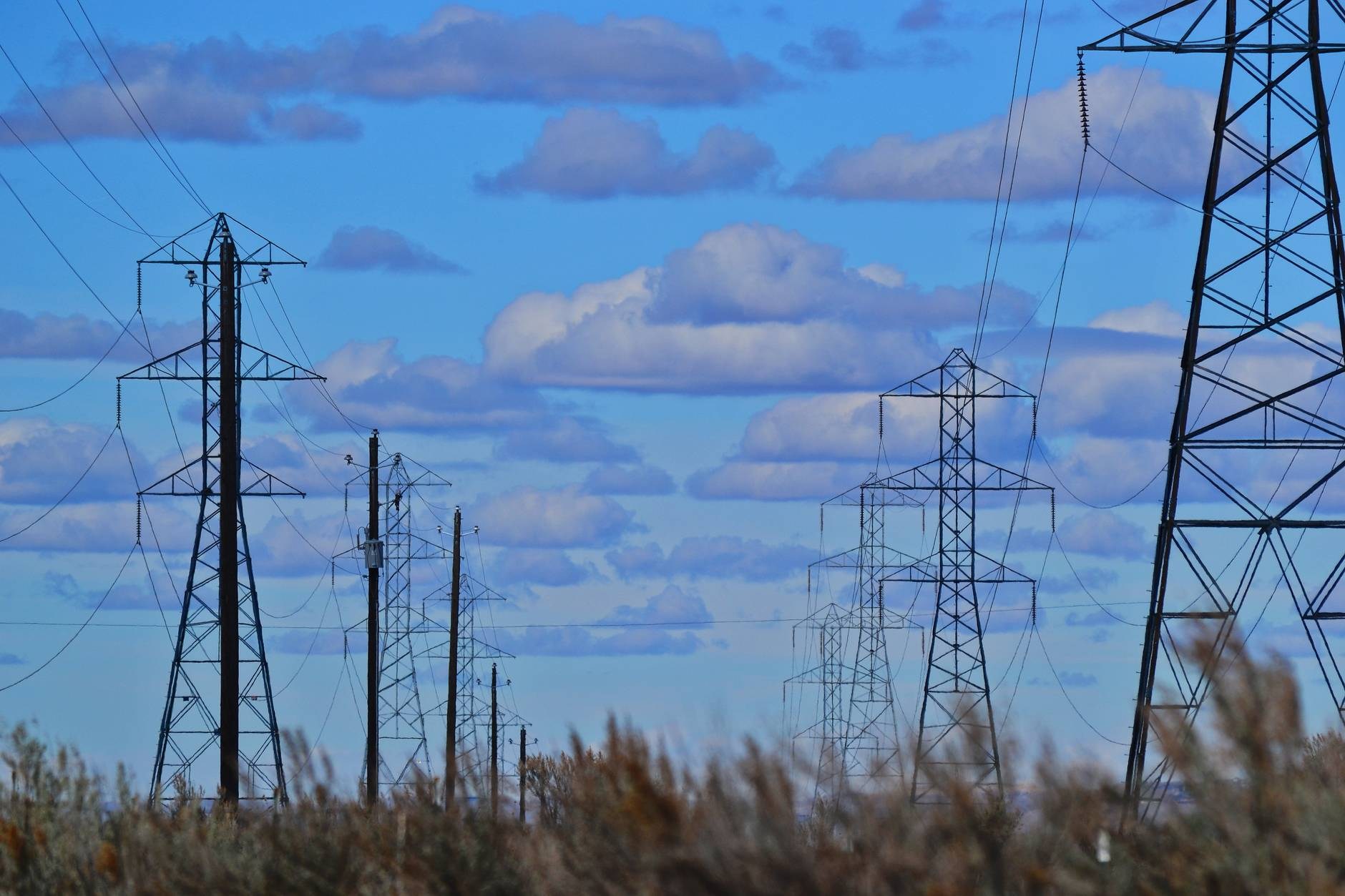
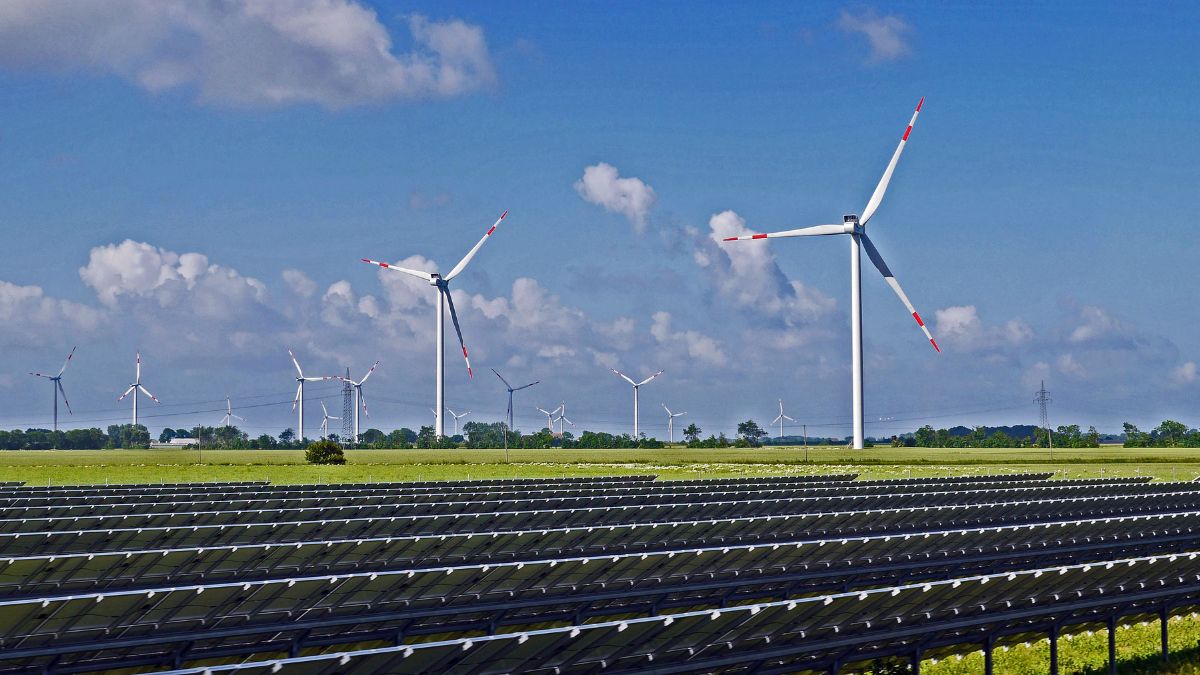
The list of large-scale energy infrastructure projects continues to grow. Rarely a day goes by without news of more data centres or power plants, plans for new or expanded airports and ports, or ambitious pipelines. Nuclear power plants are rising in stature too as the world demands clean, continuous electricity without greenhouse gases.
But all too often, large projects get bogged down in bureaucracy, and environmental and community issues, leading to delays and escalating costs.
Engineering, procurement and construction (EPC) hold the key. Historically they may have been seen as independent entities, but today success invariably relies on their smooth integration.
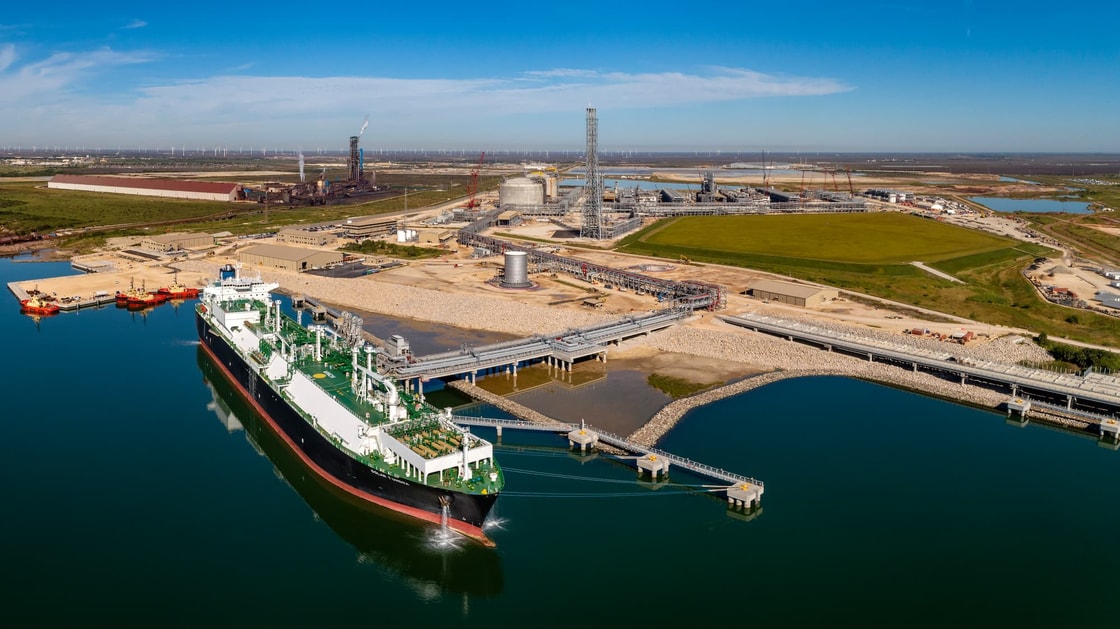
Speaking on the Energy Gang podcast, Craig Albert, President and COO of Bechtel, the 128-year-old engineering and construction firm, shared his insights from building LNG plants. Their rapid development is held up as a success story.
Bechtel has delivered 12 large-scale LNG liquefaction trains in the US since 2011. It secured the EPC contract for the in May and it has a host of other key contracts on the go including .
The US was the largest contributor to , adding 23.4 million tonnes (Mt) to international trade volumes between 2024 and 2025, according to the International Gas Union’s (IGU) latest world LNG report.
It currently has seven new LNG export projects actively under construction or being commissioned. The capital costs are huge. Building a three-train plant will cost in the range of $15bn, meaning there can be little margin for error.
“The cost of the EPC is always the most dominant cost of delivering a project,” he said.
“The equipment from the technology provider, whether it’s the compressors for an LNG plant, the reactors of a nuclear plant, or turbine generators and steam turbine for a combined cycle plant – those are the things that get everyone’s attention.”
But he said they are typically less than a third of the total cost. So how can collective costs be kept in check while raising efficiencies?
“What we learned with LNG, it’s the model. We’ve delivered 32 trains that are operating today, that we delivered this century – that’s 120 million tonnes per annum. It’s one third of the world’s capacity, and it was all on schedule and within budget. We just turned over six trains at Corpus Christi for Cheniere in the past year.”
Albert believes the key is ensuring engineering is always focused on optimising construction, and data is integrated between all three disciplines.
“The tools talk to each other – we just take the risk of rework out of the system. It’s like an assembly line almost, and our job is to ‘de-bottleneck’ it.”
But it wasn’t always the case. Rewind the clock 20 years ago, there was over-run risk in LNG development, and lessons to heed. Costs soared between 2004 and 2009 due to high global demand.
“And so the LNG industry went through what the nuclear industry needs to go through,” he added. “The way we carry lessons and teams forward from unit to unit is very systematic and deliberate, and it is absolutely the ‘north star’ for nuclear.”
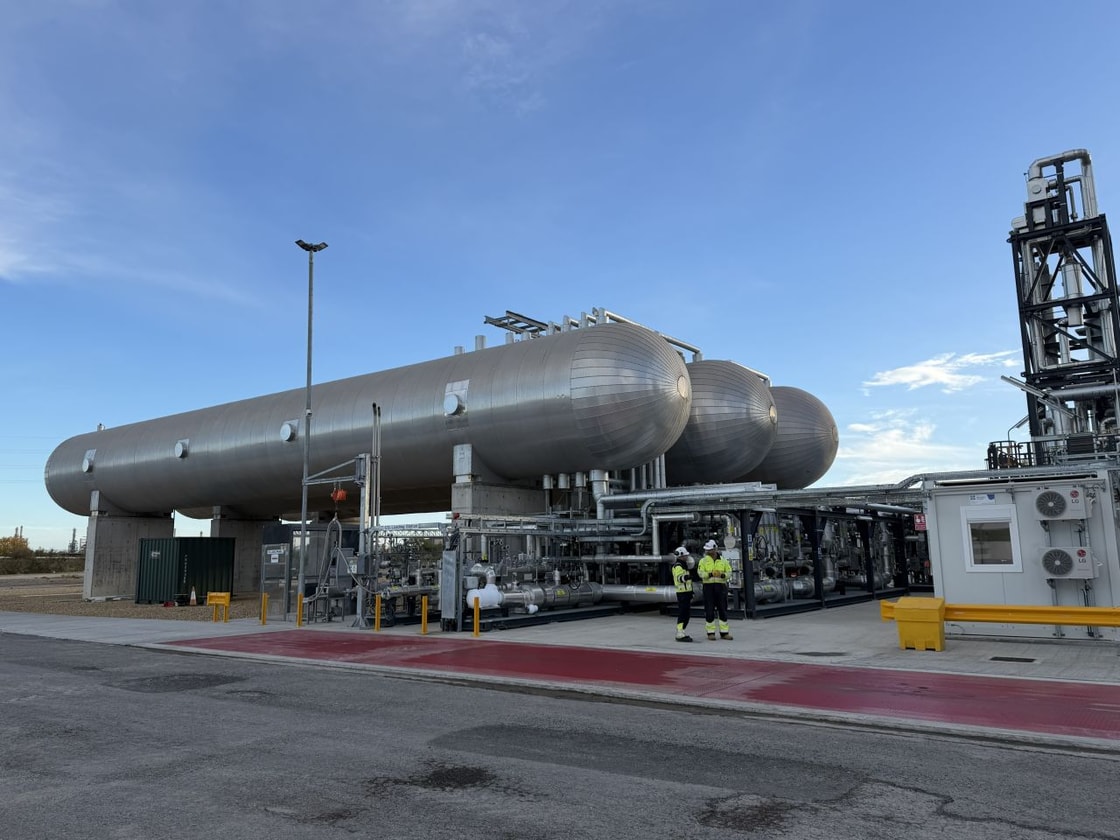
Ties between nuclear and hydrogen are strengthening. Italian start-up Tulum Energy commissioned Scandinavian Energy Contractors to deliver EPC services for a planned , Mexico.
India recently commissioned a pilot hydrogen production facility that uses heat from a nuclear reactor, rather than conventional grid electricity, to generate clean hydrogen. The integration of technologies is sure to place more demands on the EPC process.
Another significant way Bechtel took control of LNG plant delivery was in fabricating key elements themselves.
“Pipe is the critical path of these jobs. We kept running into problems with pipe suppliers so we decided to make our own pipe,” added Albert.
“Not only did it de-risk the supply chain for us, but it allowed us to speed up the process of fabricating pipe, and that sped up the EPC process. It’s no longer the critical path. We did it with steel three years ago, and we do it with labour, in that we have our own welding organisation. We also build our own LNG tanks.”
The human element presents another intriguing dimension, as the US LNG industry continues to grow rapidly. Albert said it is turning business away.
“We have a phrase that we’re paced by the capacity of our talent. We can’t take something on we don’t have the capacity to perform. Once we did one LNG plant at a time, now we’re doing six. You have to be really mindful of your ability.
“The worst thing you can do for the industry is have a big failure, in terms of cost and schedule blow out.”
Ultimately Albert would like to see construction have greater recognition at policy level since “everything we’re talking about sits on steel, concrete, electrical instruments and wires”.
“It’s an honourable living – but somehow we’re still a country which prioritises college over trades. We have to restore the dignity to being a construction professional.”