The oil market has officially entered its mixed-signals era.
Crude prices had erased most of their wartime gains as barrels returned to the market and fears of oversupply resurfaced. But renewed U.S.-Iran hostilities have sent prices climbing again, underscoring just how quickly geopolitical risk can return to the market.
Gasoline and diesel are telling a completely different story.
According to the International Energy Agency’s latest monthly report, refining margins surged to four-year highs in early July as product markets tightened even while crude prices tumbled.
That’s an unusual combination.
Normally, cheaper crude eventually translates into cheaper fuel. This time, the bottleneck isn’t oil. It’s turning that oil into usable products.
“The disconnect between apparently well supplied crude oil markets and tight product markets underpinned a rally in cracks and refinery margins to four-year highs by early July,” the IEA report reads.
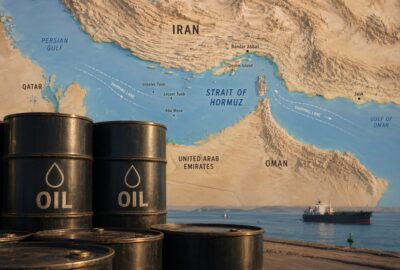
Middle Eastern refineries are still operating well below normal after months of disruption caused by the Iran war. Exports of refined products from the Gulf remain less than half of their pre-war levels, even though crude shipments have recovered to roughly three-quarters of where they stood before the Strait of Hormuz effectively shut down.
Russia isn’t helping either.
Ukrainian drone attacks continue to knock out refining capacity, squeezing diesel and gasoline supplies across Russia and neighboring markets. The result is that product markets remain remarkably tight despite crude oil resuming its transit out of the Persian Gulf.
Higher refining margins mean companies able to keep plants running are making considerably more money turning crude into gasoline, diesel, and jet fuel than they were just a few months ago.
The IEA expects this disconnect to fade eventually as more refineries restart and supply chains normalize. That’s also the assumption behind forecasts that the oil market will slide back into surplus later this year.
But there’s a catch.
That outlook assumes tanker traffic through Hormuz continues recovering and the latest round of fighting between Iran and the United States doesn’t derail it again.
By Julianne Geiger for Oilprice.com
More Top Reads From Oilprice.com
- U.S. LNG Exporter Reaps Windfall as Middle East Turmoil Drives Fees Higher
- Oil Prices Jump After Iran Attacks Commercial Vessels
- US Crude Oil, Product Inventories Fall Even As Hormuz Traffic Begins to Flow