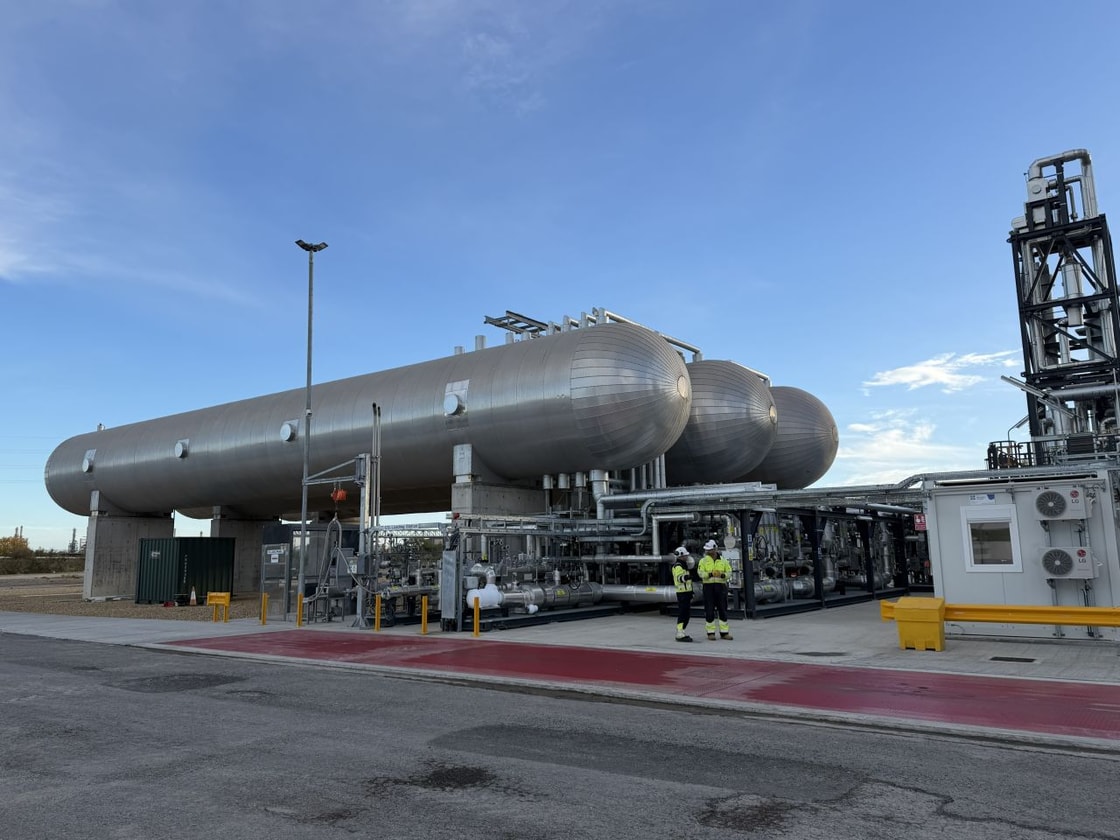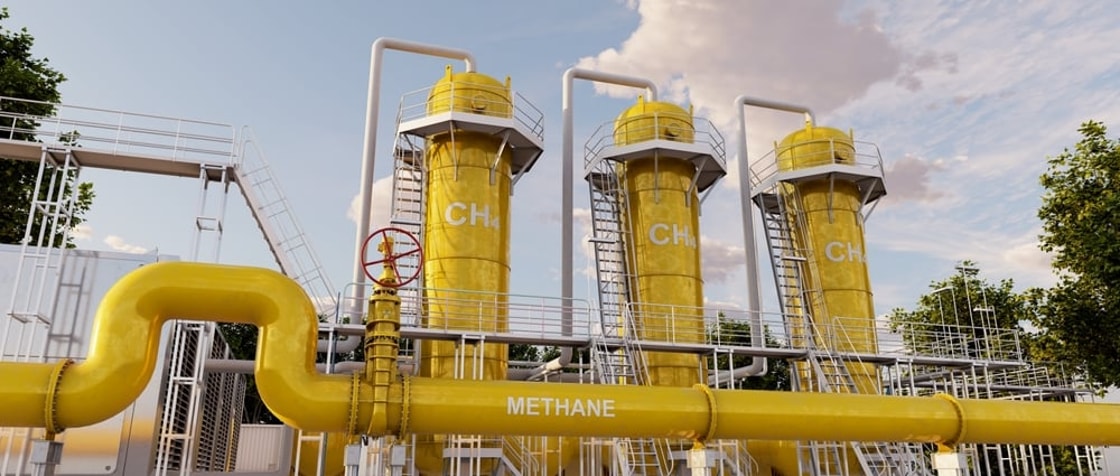
The global biogas upgrading market is expected to double in value by the end of the decade as governments strengthen support for renewable gases and industries seek greater energy security.
According to new research from BCC Research, the market will grow from $2.1bn in 2025 to $4.1bn by 2030.
The report cites rising demand for renewable natural gas, expanding waste-to-energy projects and increasingly supportive decarbonisation policies as key drivers behind the growth.
Biogas upgrading has become an increasingly important part of the renewable gas value chain. Raw biogas produced through the anaerobic digestion of organic waste typically contains between 50% and 70% methane, with the remainder made up largely of carbon dioxide and trace impurities such as hydrogen sulphide and moisture.
Upgrading technologies remove these components to produce pipeline-quality biomethane suitable for injection into the gas grid, use as a transport fuel or supply to industrial customers.
The process also generates a stream of biogenic CO2 that can be captured and purified for applications ranging from food and beverage to sustainable fuels and carbon utilisation projects.
Europe is expected to remain the dominant market, accounting for 61.9% of global demand thanks to its established biomethane infrastructure and supportive regulatory framework.
The report also points to strengthening carbon pricing under the EU Emissions Trading System and growing concerns over energy security as factors improving biomethane’s competitiveness against conventional natural gas.
Emerging demand from data centres is creating another potential growth avenue, with operators increasingly seeking reliable renewable energy supplies to support rapidly expanding digital infrastructure.
BCC Research also highlights growing opportunities for companies developing advanced upgrading technologies, particularly modular membrane systems and lower-energy pressure swing adsorption solutions.
Hybrid configurations and integrated membrane-methanation systems are also expected to gain traction as operators seek higher methane recovery rates, lower energy consumption and reduced methane slip.
The outlook reflects wider momentum already evident across Europe’s biomethane sector.
Earlier this month, Germany’s EnviTec Biogas announced around €100m ($117m) in biomethane production by 2029, expanding its gas upgrading capacity as it shifts part of its portfolio away from electricity generation and towards renewable gas.
The investment will fund the conversion and expansion of existing biogas plants, allowing them to continue operating under Germany’s revised Renewable Energy Act while increasing biomethane production through gas upgrading.
Despite improving market fundamentals, EnviTec said long-term regulatory certainty remains essential to unlock further investment.
“Reliable and technology-neutral regulatory conditions for gas grid connections are essential for the further expansion of green gases,” said CEO Olaf von Lehmden.
The findings also align with the European Commission’s continued efforts to accelerate domestic renewable gas production as part of its wider energy security strategy.
Earlier this year, the Commission said biomethane production from existing plants could be increased by between 10% and 30% under its AccelerateEU initiative, which aims to reduce Europe’s dependence on imported fossil fuels while supporting industrial decarbonisation.
Speaking at the European Sustainable Energy Week in June, Łukasz Koliński, Director for Green Transition and Energy System Integration at the European Commission, said recent geopolitical disruptions had reinforced the strategic importance of renewable gases.
Read more:
“Biogas and biomethane are renewable and contribute to security,” he said. “The EU biogas market is a world leader but still has a long way to go.”
However, he acknowledged that producers and investors continue to face barriers including lengthy permitting procedures, regulatory uncertainty and difficulties securing gas grid connections.
While the long-term outlook remains positive, there are several challenges that could temper the pace of deployment. Biogas upgrading projects remain capital intensive, with developers facing major upfront investment costs alongside ongoing operating expenses.
The technical complexity of upgrading systems, particularly at larger facilities, also requires specialised equipment and expertise, while minimising methane slip remains essential to maintaining both environmental performance and commercial returns.
The report adds that project economics continue to depend heavily on supportive policy frameworks, carbon pricing and access to long-term financing.
Reliable feedstock supplies, timely permitting and sufficient grid capacity will also be critical if biomethane production is to expand in line with government ambitions.