

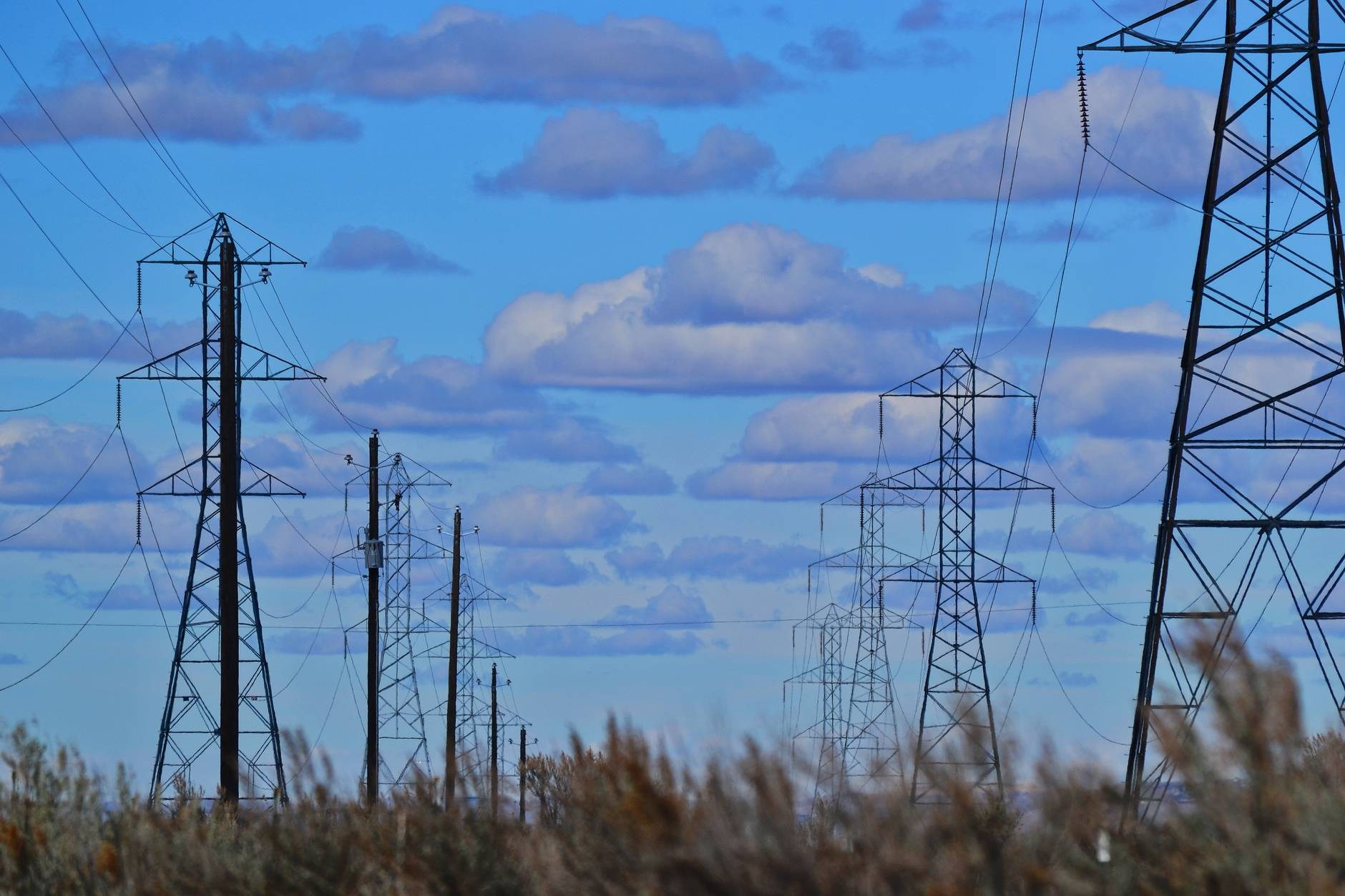
The Energy Regulatory Commission (ERC) of the Philippines has approved new rules that set updated reliability standards for power generating units connected to the country’s electricity grid. The revised regulations were adopted under Resolution No. 23, Series of 2026, and are intended to improve the reliability, transparency, and efficiency of electricity generation while supporting a stable national power system.
The new rules are aligned with the Electric Power Industry Reform Act of 2001 (EPIRA) and introduce technology-specific limits on the number of unplanned outages and unit deratings that power plants are allowed to experience each year. By establishing these standards, the ERC aims to encourage better maintenance practices and ensure that power generation companies operate their facilities more reliably.
Under the revised framework, different power generation technologies are assigned different annual allowances based on their operational characteristics. Conventional hydroelectric power plants have the strictest limit, with only 12.72 equivalent unplanned outage days allowed each year. Run-of-river hydro plants are permitted up to 12.03 days, while combined cycle power plants are limited to 14.35 days. Pumped-storage hydro facilities are allowed 18.98 days of unplanned outages annually. Coal-fired generating units have higher allowances, with circulating fluidized bed plants capped at 27.32 days and pulverized coal plants at 32.15 days. Oil-fired thermal plants receive the highest allowance of 37.03 days.
The regulations apply to all conventional and non-variable renewable energy generating facilities connected to the grid, including embedded generators, with an aggregated rated capacity of at least 5 MW. However, generating units that are officially under approved mothballing or decommissioning programs will not be required to meet these reliability standards during their approved inactive periods.
To monitor compliance, the ERC will conduct annual performance assessments for each generating unit using information collected through the automated Grid Reliability Monitoring System (GRMS). Generation companies must also submit their five-year planned outage schedules by April 30 every year. These schedules will help coordinate maintenance activities through the Grid Operating and Maintenance Program (GOMP). Any unplanned outage or maintenance activity that deviates from the approved schedule without authorization will count toward the unit’s annual outage allowance.
The rules also recognize that some outages may occur due to circumstances beyond the control of plant operators. Events such as natural disasters or major grid failures may be excluded from the unplanned outage count, but only if the generation company provides sufficient documentary evidence proving that the incident was entirely outside its control.
The ERC has also introduced a stricter penalty system for non-compliance. Base penalties range from PHP 50,000 per excess outage day for smaller generating units to PHP 200,000 per day for units with capacities exceeding 200 MW. The penalty rate will increase by 10% for every subsequent violation. In addition, generating units that fail to meet the required reliability standards for two or more consecutive years will be required to submit a detailed compliance plan outlining corrective actions and implementation timelines. The revised rules will take effect 15 days after publication in the Official Gazette or a newspaper of general circulation and will apply to all compliance assessments beginning in 2026.
Subscribe to get the latest posts sent to your email.









)