Iran-Linked LPG Tankers Turn Back as U.S. Blockade Tightens

Iran-linked carriers of liquefied petroleum gas (LPG) have made U-turns and traveled in zig-zagging patterns in recent hours as they face the U.S. naval blockade in the Gulf of Oman, after having cleared the Strait of Hormuz outbound into the Gulf of Oman and the Arabian Sea.

The Glendale and Danuta I LPG carriers, sanctioned by the United States, have made abrupt changes in course in the Arabian Sea and the Gulf of Oman, or have made U-turns before potentially running into the U.S. blockade, vessel-tracking data compiled by Bloomberg showed on Friday.

The U.S. earlier this week reinstated its naval blockade to stop Iran’s oil exports, after the fragile ceasefire collapsed at the end of last week with Iranian strikes on commercial vessels, including oil and LNG tankers, and the U.S. responding with six consecutive nights of strikes on Iran.

On Thursday, U.S. forces struck and disabled an Iran-linked sanctioned oil tanker near Iran’s key export terminal, Kharg Island, deep in the Persian Gulf, as the U.S. appears to be broadening the scope of the renewed blockade on Iran.   

As of late on Thursday, U.S. forces had redirected 3 commercial vessels trying to run the blockade, disabled one ship that didn’t comply, and boarded another to ensure full compliance with the ongoing U.S. naval blockade against Iran, the U.S. Central Command said.

“The Strait of Hormuz and the surrounding waters remain free and open, except for vessels attempting to violate America’s steel wall blockade,” CENTCOM added.

Despite U.S. assurances, tanker traffic at the Strait of Hormuz has collapsed over the past week to the numbers and volumes from before the U.S.-Iran memorandum of understanding.

Traffic has collapsed to a two-month low as tanker owners and operators are unwilling to brave the chokepoint in either direction, fearing Iranian attacks on vessels. The regional threat alert for shipping was again raised to “severe,” and energy flows out of the Middle East have stalled again.

By Tsvetana Paraskova for Oilprice.com

More Top Reads From Oilprice.com


  • Related Posts

    Asia Needs $1 Trillion a Year to Secure Energy Supplies

    Asia will need as much as $1 trillion annually in energy investment over the next 15 years to meet rising demand and reduce its exposure to supply disruptions, according to…

    Citi’s $60 Oil Call Meets $112 Brent

    Citi sees more upside risk for oil prices despite recovering Middle Eastern crude exports, a considerably less bearish assessment from the bank that predicted $60-to-$65 Brent by year-end just three…

    Have You Seen?

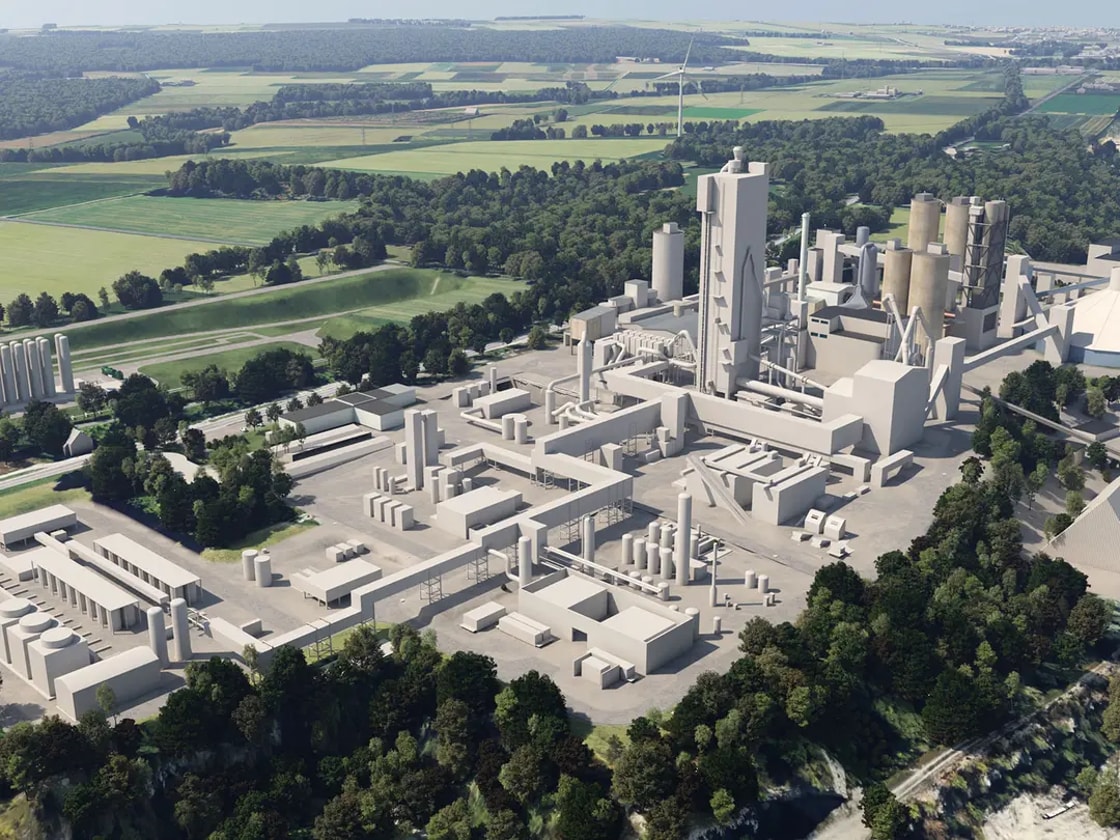
    Heidelberg halts German cement CCS project over CO2 infrastructure concerns

    • October 23, 2026
    Heidelberg halts German cement CCS project over CO2 infrastructure concerns

    Singapore pairs biomethane pilot with S$143m industrial decarbonisation funding

    • October 23, 2026
    Singapore pairs biomethane pilot with S$143m industrial decarbonisation funding

    Citi’s $60 Oil Call Meets $112 Brent

    • October 23, 2026
    Citi’s $60 Oil Call Meets $112 Brent

    Asia Needs $1 Trillion a Year to Secure Energy Supplies

    • October 23, 2026
    Asia Needs $1 Trillion a Year to Secure Energy Supplies

    CSERC Rejects Immediate Pre-Payment Meter Relief For HT Consumer, Allows Security Deposit In Installments

    • October 23, 2026
    CSERC Rejects Immediate Pre-Payment Meter Relief For HT Consumer, Allows Security Deposit In Installments

    APTEL Rejects Compensation Claim Over Increased Solar And Wind Grid Connectivity Charges In Rajasthan

    • October 23, 2026
    APTEL Rejects Compensation Claim Over Increased Solar And Wind Grid Connectivity Charges In Rajasthan

    BOC opens Teesside CO2 plant as UK seeks to strengthen domestic supply

    • October 23, 2026
    BOC opens Teesside CO2 plant as UK seeks to strengthen domestic supply

    Solar Power Plant Cost in India: Investment, Land Requirement & ROI

    • October 23, 2026
    Solar Power Plant Cost in India: Investment, Land Requirement & ROI

    Websol Energy Appoints Vinay Vyas As CEO Of Websol Renewables, Targets 5,350 MW Solar Cell Capacity By 2028

    • October 23, 2026
    Websol Energy Appoints Vinay Vyas As CEO Of Websol Renewables, Targets 5,350 MW Solar Cell Capacity By 2028

    Clean Max To Sell 26% Stake In Subsidiary Clean Max Hachi To Chambal Fertilizers

    • October 23, 2026
    Clean Max To Sell 26% Stake In Subsidiary Clean Max Hachi To Chambal Fertilizers