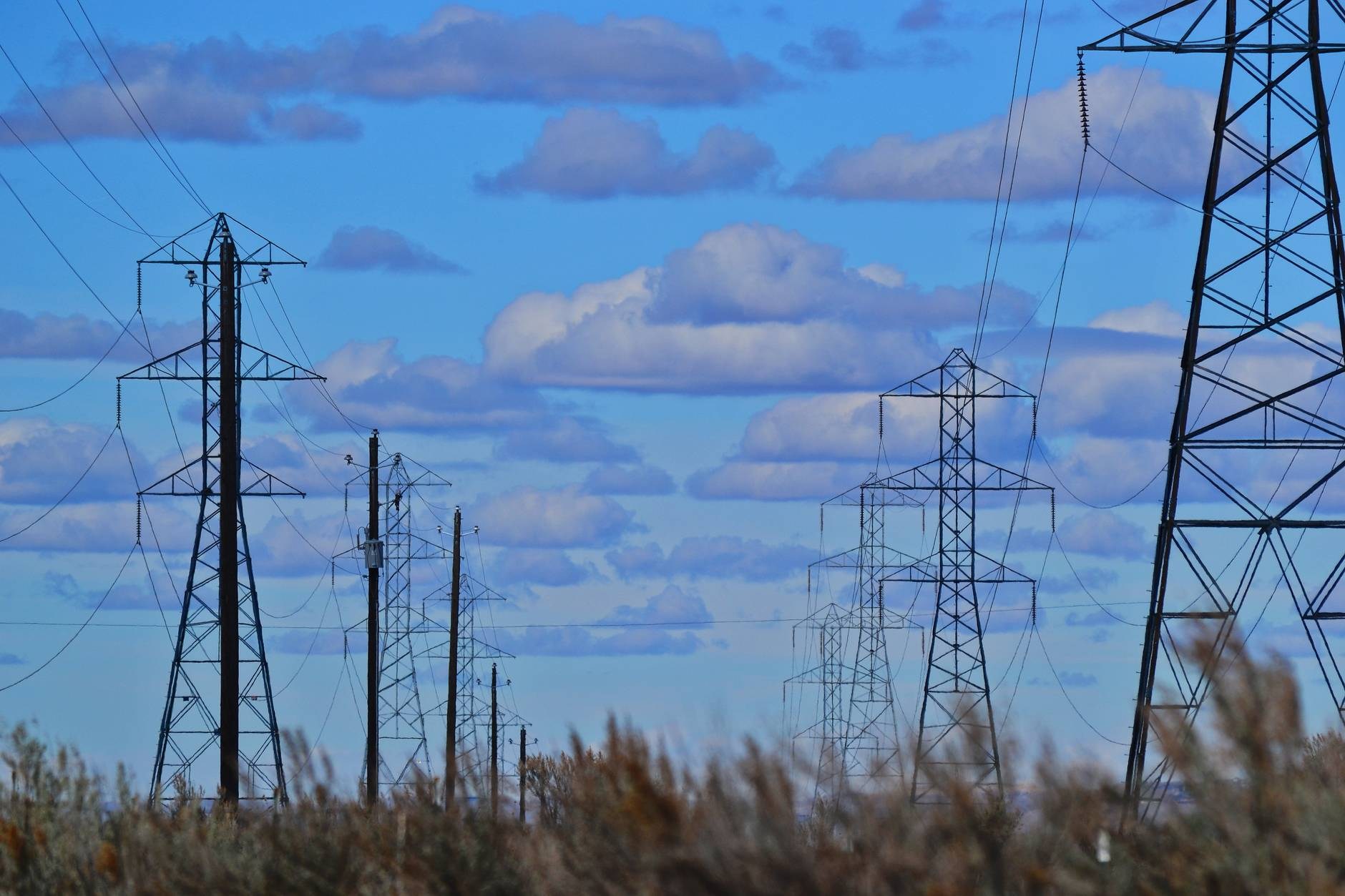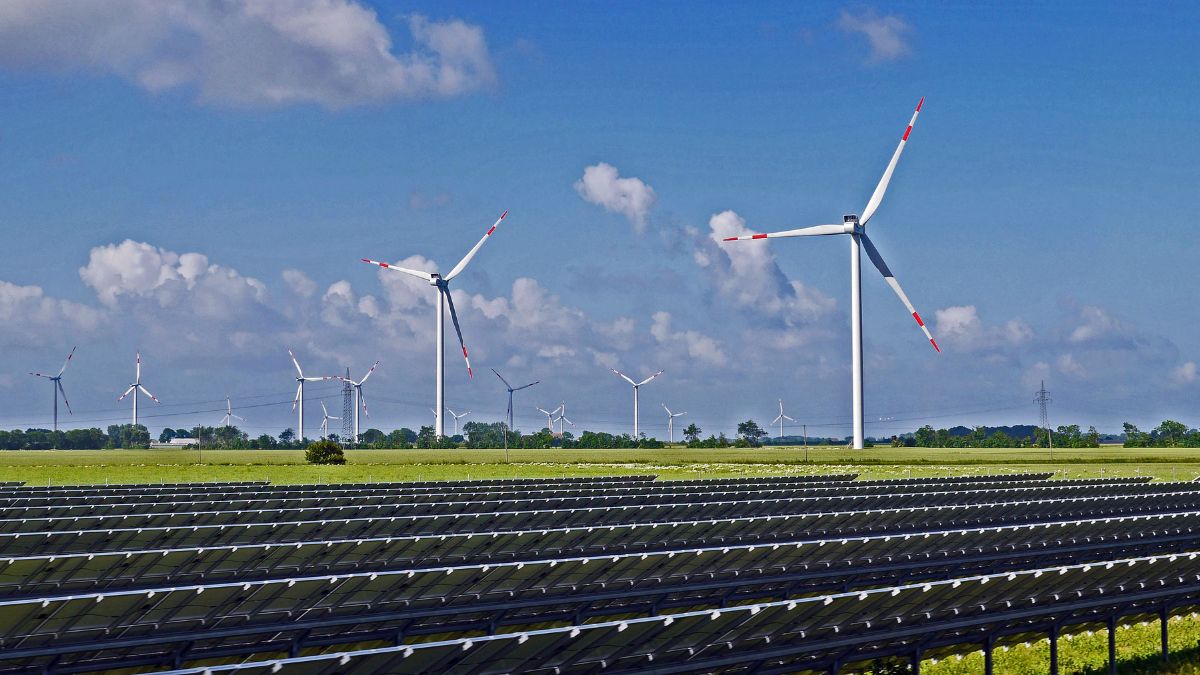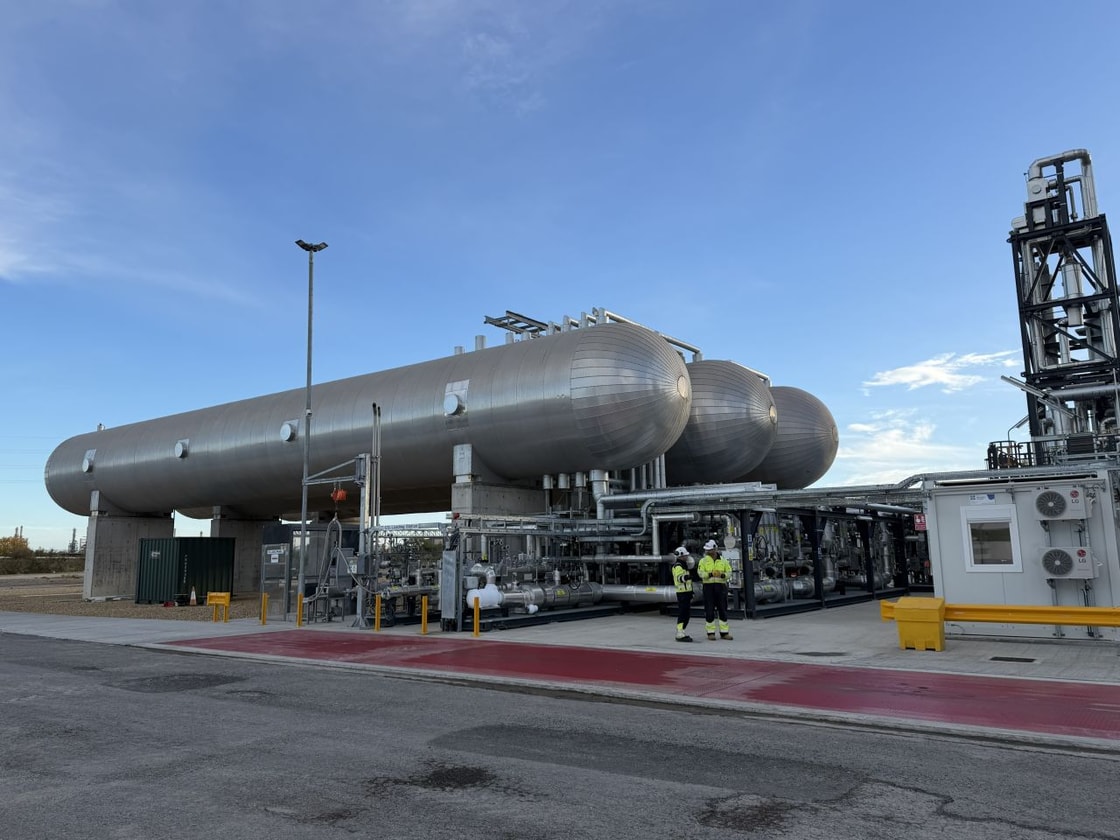
The European Union has unveiled the Electrification Action Plan, aiming for electricity to account for 46% of total energy consumption within the bloc by 2040, effectively doubling the current rate. Spearheaded by the European Commission, the aggressive policy shift is a direct economic and security response to the energy fallout amid the Middle East conflict. Currently, ~23% of the EU’s final energy consumption is powered by electricity, a level that has plateaued for a decade.
In effect, Europe now considers electrification no longer purely a climate initiative but rather a matter of state sovereignty and national security. The region remains highly exposed to global market turbulence, importing over 80% of its natural gas and over 90% of its oil. The EU estimates that reaching the 46% target could slash its fossil fuel import bills by up to €260 billion annually by 2040. However, this aggressive shift in the energy mix also forms a core pillar of the EU’s long-term decarbonization strategies. The shift will encompass transitioning sectors such as transportation and domestic heating to renewable-powered electric grids and heat pumps to avoid paying volatile market prices for imported oil and natural gas. Electrification is also expected to yield inherent efficiency gains: to wit, electric motors and heat pumps are fundamentally more efficient than traditional combustion engines and fossil fuel boilers.
However, the electrification drive is expected to come with its own set of challenges. To meet this 46% electrification target, the EU is likely to face several systemic challenges, including high consumer electricity-to-gas price ratios as well as resistance from member states opposing new carbon pricing levies. The electricity-to-gas price ratio compares the cost of one unit of electricity to one unit of gas per kWh. In the EU, high consumer electricity-to-gas price ratios act as the biggest barrier to electrification. The EU electricity-to-gas price ratio currently exceeds 3.0x, above the bloc’s targets of 2.5 for households and 2.0 for industry largely due to non-energy charges, levies, social tariffs and legacy subsidies.
Alex Kimani for Oilprice.com
More Top Reads From Oilprice.com
- India Hikes Diesel and Jet Fuel Export Tax
- Brent Futures Flip to Backwardation as Middle East Supply Risks Return
- U.S. Gasoline Prices Could Hit $4 Per Gallon Within Days