The oil crisis in Japan has eased in recent weeks as the resource-poor G7 economy that depended on the Middle East for 90% of its crude oil supply has managed to diversify purchases and moved to release stocks from strategic reserves.
However, the economic cost of sourcing crude oil supply from faraway places to offset the major loss of deliveries from the Strait of Hormuz is high, with soaring oil import bills weighing on the industrial and economic activity.
As much as 90% of Japanese companies said in a June survey by Teikoku Databank Ltd that rising energy prices were having a negative impact on their operations, local outlet Asahi Shimbun reported on Monday.
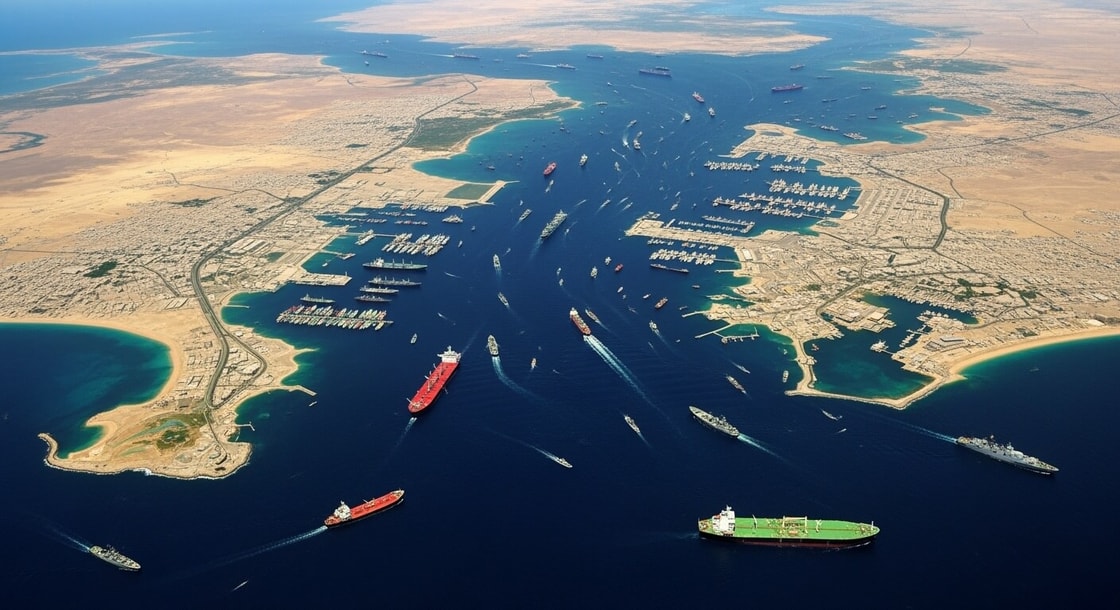
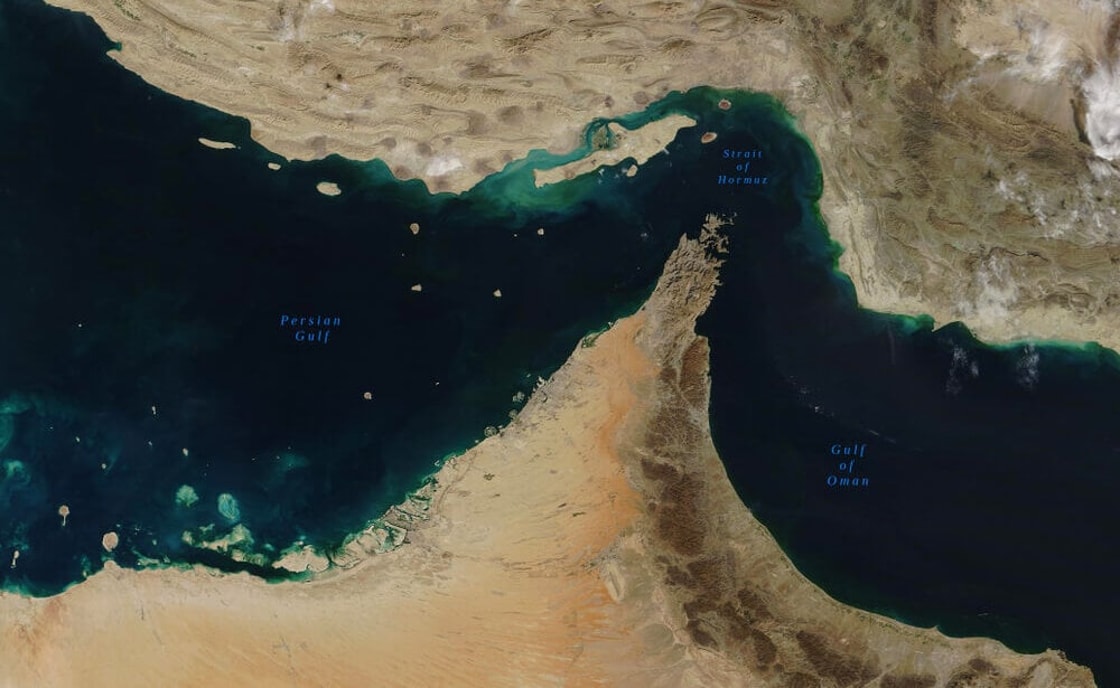
Since the war in the Middle East began, Japan has scrambled to secure crude oil supply from alternative sources as its dependence on crude from the Middle East passing through the Strait of Hormuz was more than 90% of all crude imports. Most of the oil came from Saudi Arabia, Kuwait, the United Arab Emirates (UAE), and Qatar. Of these Middle Eastern supplies, about 70% typically arrived in Japan on tankers traveling through the Strait of Hormuz.
In April, Japan imported the lowest volume of crude oil from the Middle East on record, dating back to 1979, as the Iran war and the de facto closure of the Strait of Hormuz choked supply from the region.
The G-7 economy also moved to release crude from its strategic reserves as part of an IEA-coordinated global effort to release 400 million barrels of crude and oil products.
Japan is now buying cargoes from as far as Canada, Azerbaijan, and Africa to offset the supply that continues to be mostly trapped in the Persian Gulf.
At the height of the crisis, Japan’s crude oil import bill hit a record high of $89.46 billion in June, leading to higher energy prices that stifle economic growth.
By Michael Kern for Oilprice.com
More Top Reads From Oilprice.com
- India’s Chief Economic Adviser Calls for Return of E10 Petrol
- China Oil Imports Jump 22% Even as Economic Data Disappoints
- China Added 200,000 Bpd to Crude Reserves in July Despite Hormuz Crisis