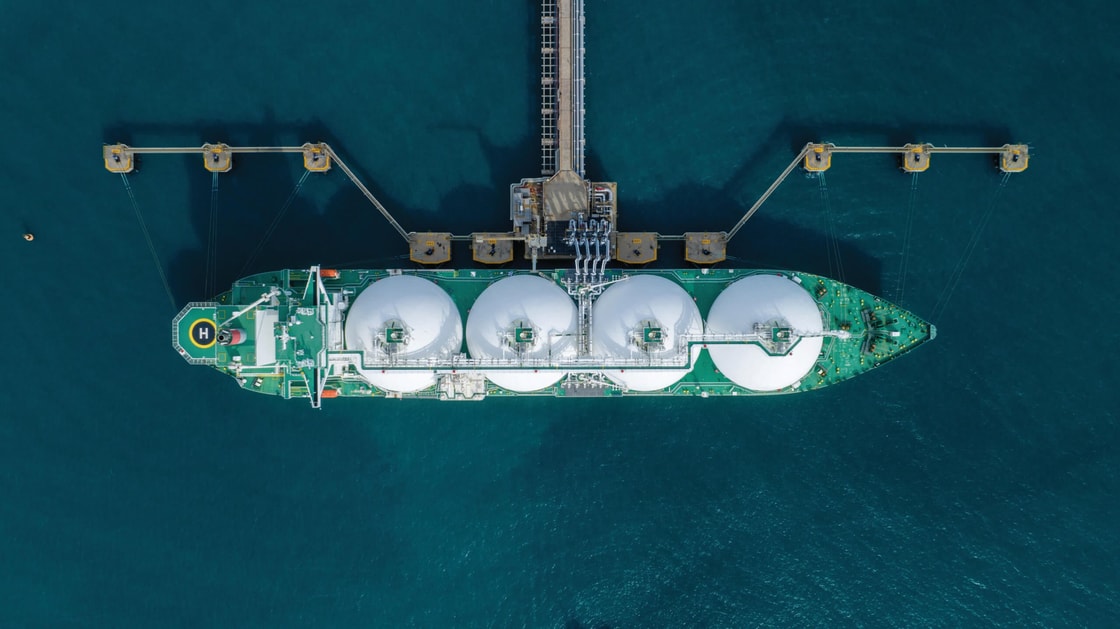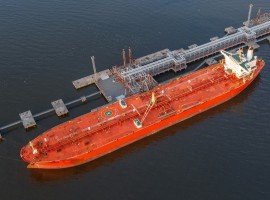
The daily rate for chartering a supertanker to pick up crude oil from within the Persian Gulf and deliver it to China has surged this week to the highest level in two months as exporters seek vessels to deliver oil to Asian buyers despite a deteriorating security backdrop in the Strait of Hormuz.
The benchmark Middle East Gulf-to-China rate for a very large crude carrier (VLCC) jumped to as high as $510,000 per day on Monday, according to data from the Baltic Exchange of tanker rates compiled by Bloomberg. This was the highest daily rate for shipping Middle East Gulf crude on supertankers since the end of June.
The surge in rates suggests that tanker owners with enough risk tolerance to brave the Strait of Hormuz, venture into the Persian Gulf to pick cargoes, and then travel again through the chokepoint outbound to Asia stand to gain lucrative daily earnings.
There has been no lack of VLCC activity in recent weeks, but details are scarce as vessel operators are “motivated further not wanting to advertise to hostile elements where and when the ship in question will be appearing in the wider Middle East,” shipbroker Fearnleys said in a weekly report last week.
“There is huge money to be had for the risk takers out there, of which there are not too many for the top prize inside MEG load,” the shipbroker said in its analysis.
The surge in tanker rates is driven by the deteriorating security situation in the Strait of Hormuz and by Persian Gulf oil producers seeking vessels to ship their crude out of the region to their prized Asian market.
Observable tanker traffic at the Strait of Hormuz further dipped this weekend.
However, the oil market and analysts struggle to estimate how much oil is actually leaving the Middle East region on tankers in the so-called dark mode with transponders switched off.
By Charles Kennedy for Oilprice.com
More Top Reads From Oilprice.com
- Houthis Claim Third Attack on Saudi Aramco Refinery in Two Weeks
- Pakistan’s Power Generation Costs Jump 38% on Record Spot LNG Buys
- Tankers U-Turn at Hormuz as Iran Tightens Its Grip