Saudi Arabia spent weeks finding ways around the Strait of Hormuz. Now it is starting to send tankers straight back through it.
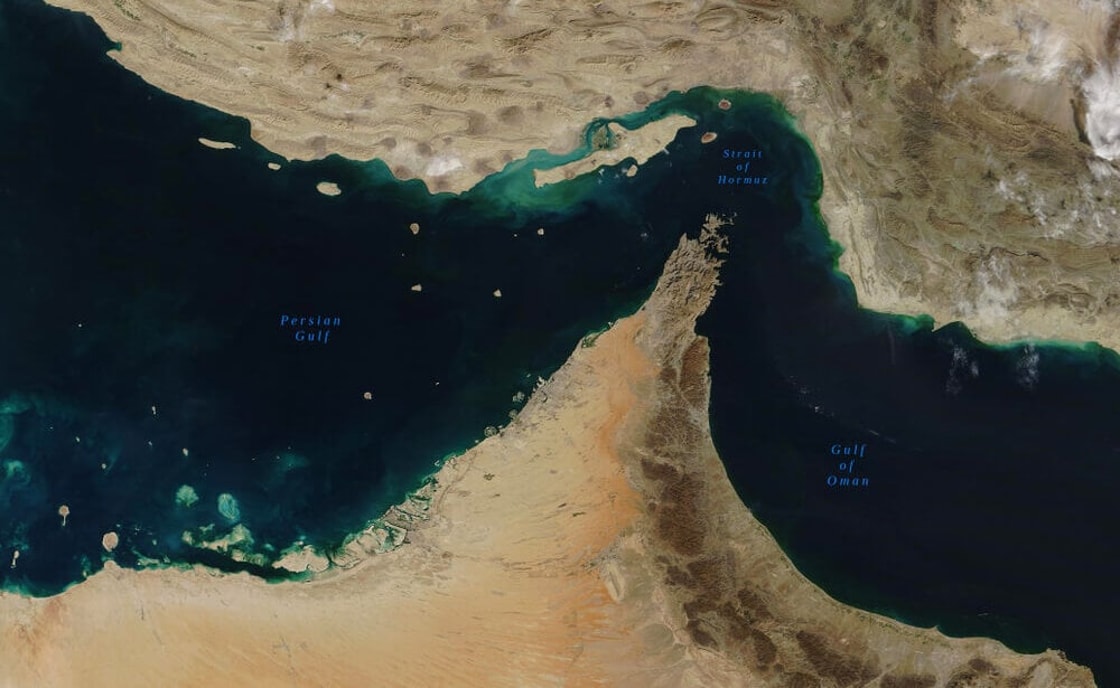
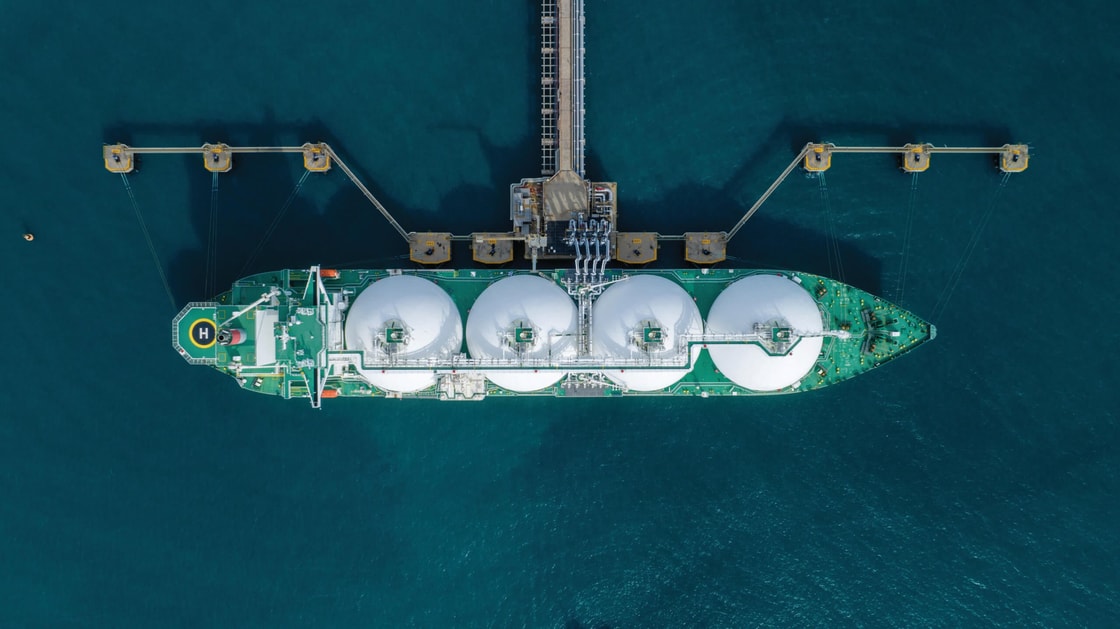
Saudi Aramco resumed crude loadings from its Ras Tanura and Juaymah terminals inside the strait last week, ending a three-week gap in activity at the ports, according to Kpler and Vortexa data cited by Reuters.
Three VLCCs—Malaysia Prosperity, Algeria Prosperity and Singapore Prosperity—each loaded roughly 2 million barrels between August 12 and August 16. Six more VLCCs could load Saudi crude from inside Hormuz later this month, provisional Kpler data showed.
The next round may involve Saudi Arabia’s own ships.
Seven VLCCs operated by Saudi-based Bahri were sitting off the UAE and Oman on Tuesday, while another two were heading toward Fujairah, according to LSEG shipping data. Traders told Reuters that Aramco could use Saudi-controlled tankers for future Hormuz transits in addition to vessels operated by South Korea’s Sinokor.
That is a notable shift after Aramco halted sales from inside the strait for weeks following attacks on its tanker fleet during last month’s escalation in the U.S.-Iran conflict.
It does not mean Saudi exports are back to normal.
Aramco is still offering Arab Medium and Arab Heavy crude to Asian refiners through ship-to-ship transfers off Fujairah, allowing buyers to collect Saudi barrels without sending their own vessels through Hormuz.
Its other escape route has problems of its own. Saudi Arabia diverted exports toward Yanbu on the Red Sea earlier in the war, only to face a Houthi blockade there. Aramco has since offered crude from Egypt’s Sidi Kerir terminal, but only about 670,000 barrels per day is expected to load there for Asia this month, versus roughly 4 million bpd previously exported through Yanbu.
Longer voyages and higher freight costs have made that workaround a tough sell.
By Julianne Geiger for Oilprice.com
More Top Reads From Oilprice.com
- Iraq-Syria Oil Pipeline to Bypass Hormuz Is 4 Years and $15 Billion Away
- China’s Renewables Boom Faces Record Clean Power Curtailments
- How Gulf Oil Is Escaping the Strait of Hormuz