By
22 min ago 3 min read
With all the global energy supply constraints surrounding the ongoing , it might seem a strange time to be talking about energy abundance.
But in a recent episode of Wood Mackenzie’s Energy Gang, Toby Rice, Chief Executive of EQT, the US natural gas producer, talked up the enduring appeal of LNG in the US, its implications for global markets and other sectors such as carbon capture.
Rice outlined five key elements to energy abundance: the ability to protect America’s energy advantage; extend its technological leadership; provide energy security to allies and partners; eliminate poverty and empower humanity; and create a cleaner planet.
Rather than be drawn into a shrinking mindset with the current geopolitical challenges, Rice believes we need to make the energy systems in the world bigger; and for the , the potential is vast, not only for the US economy but the world at large.
The US administration talks about energy dominance but for Rice, the focus is on energy abundance.
“Global energy security is your country’s energy security. Every country is being felt by these geopolitical events,” he said.
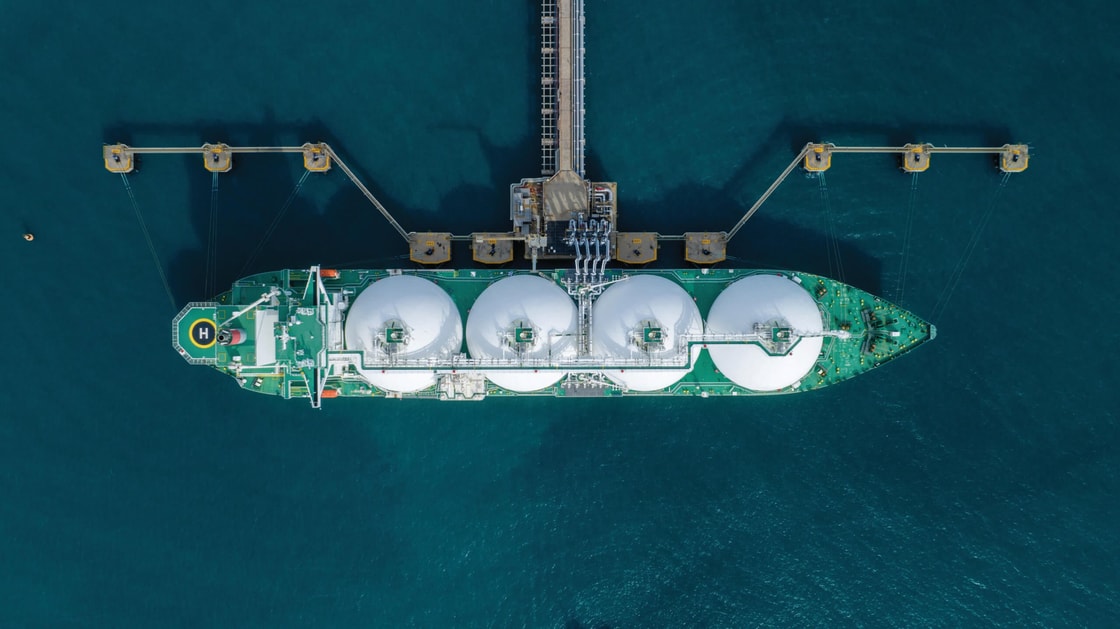
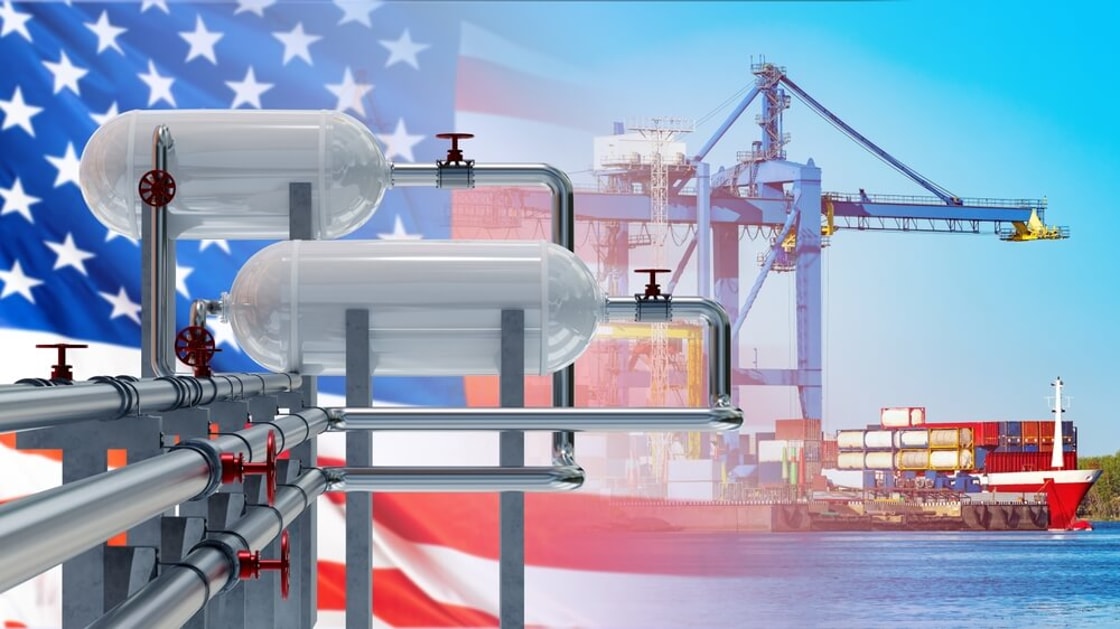
“The US exported relatively little LNG in 2016 and now . We have the resource to meet demand. LNG and our ability to export it is going to increase our US energy security because exports mean surplus, and surplus means energy security,” he said.
“Let’s get our LNG exports to 100 bcf a day [around five times current volumes] then we can withstand any geopolitical impact that the world can throw at us. Every day we’re working to bring energy abundance to developed worlds – and also through our non-profit, Energy Corps, to emerging markets, and the vision is that some day these worlds can come together.”
He said with ongoing LNG development, spurred by rising power generation demands, he can see a pathway for volumes rising to 30-40 bcf a day.
“$5 natural gas is the energy equivalent to $30 oil, so it’s still super affordable energy,” he said.
Podcast
His upbeat comments on CO2 were also refreshing at a time of rising headwinds with supply, and and scalability.
“When we produce these wells, we’re only getting 15 to 25% of the energy out, but putting CO2 into these reservoirs – tertiary recovery – we can get another 15 to 20% out. And guess what? That’s pretty similar to what you started with, with hydraulic fracturing,” he said.
“If we can get those pure streams of CO2, the industry will find ways to put it on the ground and increase the energy production. We are pulling over 40m barrels and that’s creating space for CO2. For enhanced gas recovery, we can solidify that price and get incentives for people to make CO2 with carbon capture tech bolted on.”
“The biggest element is the capture. If we can get the capture part solved, it would unlock other parts of the value chain.”
Read more on LNG in the September issue of gasworld Global