By
1 hour ago 3 min read
Full-scale carbon capture installations onboard ships are removing up to 40% of carbon dioxide (CO2) emissions, but the wider rollout of shipboard capture technology is being constrained by a lack of infrastructure at ports, according to a new report from marine classification organisation Lloyd’s Register.
Current full-scale onboard carbon capture and storage (oCCS) installations are capturing 30 to 40% of CO2 emissions, while larger pilot projects are targeting capture rates of around 70% as the technology advances towards commercial deployment.
“Onboard carbon capture has the potential to become an important part of shipping’s decarbonisation toolkit,” said Panos Mitrou, Senior Vice President of Shipping Strategy at Lloyd’s Register.
The report outlined oCCS as a suitable retrofit for vessels with more than ten years of trading life remaining, significant exposure to carbon pricing, access to a credible CO2 offloading chain and enough onboard space for capture equipment without unacceptable commercial penalties.
“For the right vessel types and trades, it offers a realistic pathway to reducing CO2 emissions and managing carbon costs while fuel supply chains, infrastructure and regulations continue to evolve.”
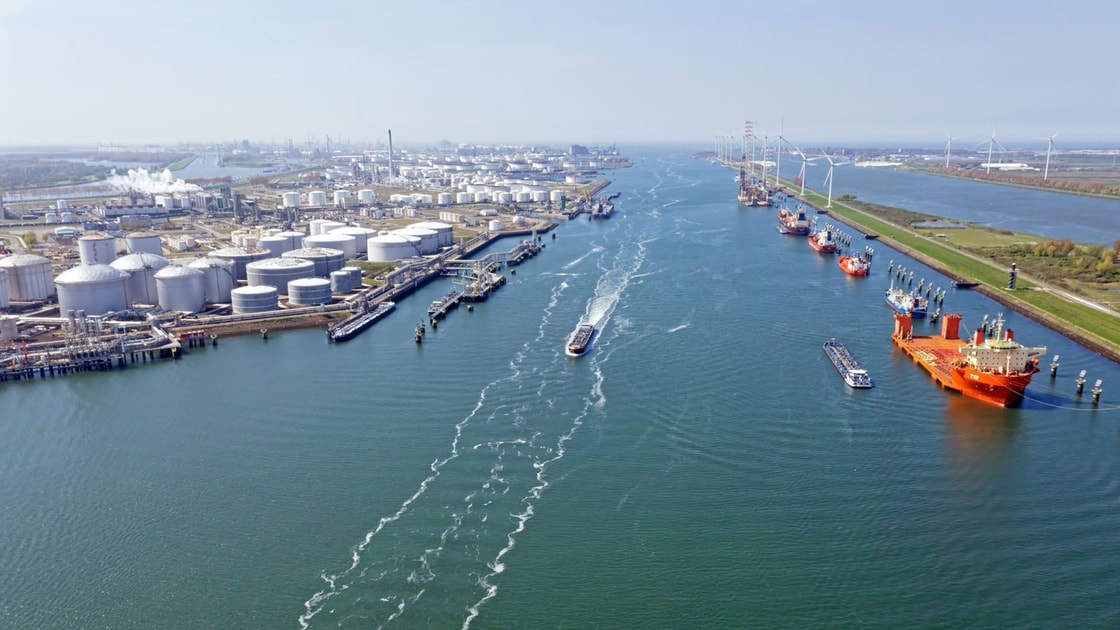
However, the main barrier to wider deployment remains the limited availability of ports and infrastructure capable of receiving captured CO2, despite major carbon storage projects progressing in north-west Europe.
The Northern Endurance Partnership says it can safely store ‘’ of CO2 in the coming decades. A separate joint venture, Northern Lights, completed its transport fleet after receiving its in July. In its first phase, the project has a storage capacity of around 1.5 million tonnes of CO2 per year.
Lloyd’s Register described port reception facilities as the “weakest link” in the emerging carbon value chain, while also highlighting the need for greater regulatory certainty around the treatment of captured CO2.
The finding tallies with a in which energy consultancy Xodus Group revealed that Europe will need 65 more CO2 carriers and 33 new ports by 2050 to meet global net zero targets.
An analysis undertaken by the group screened roughly 850 operating ports across Europe down to a shortlist of around 200. Up to 60 were considered well placed to gather captured emissions and route them to offshore storage by 2050.
The Xodus report also found that the volume of CO2 transported by ship could rise to as much as 79 million tonnes per year by 2050, despite shipping’s share of the European CO2 transport market declining as pipelines expand.
Lloyd’s Register also highlighted the need for greater clarity around regulations, especially FuelEU Maritime and future IMO regulations, which are still evolving.
The organisation said that broader deployment will depend on the outcome of FuelEU Maritime’s Article 30 review, IMO recognition of captured CO2 within a global pricing framework, and expansion of CO2 offloading infrastructure.