By
17 min ago 3 min read
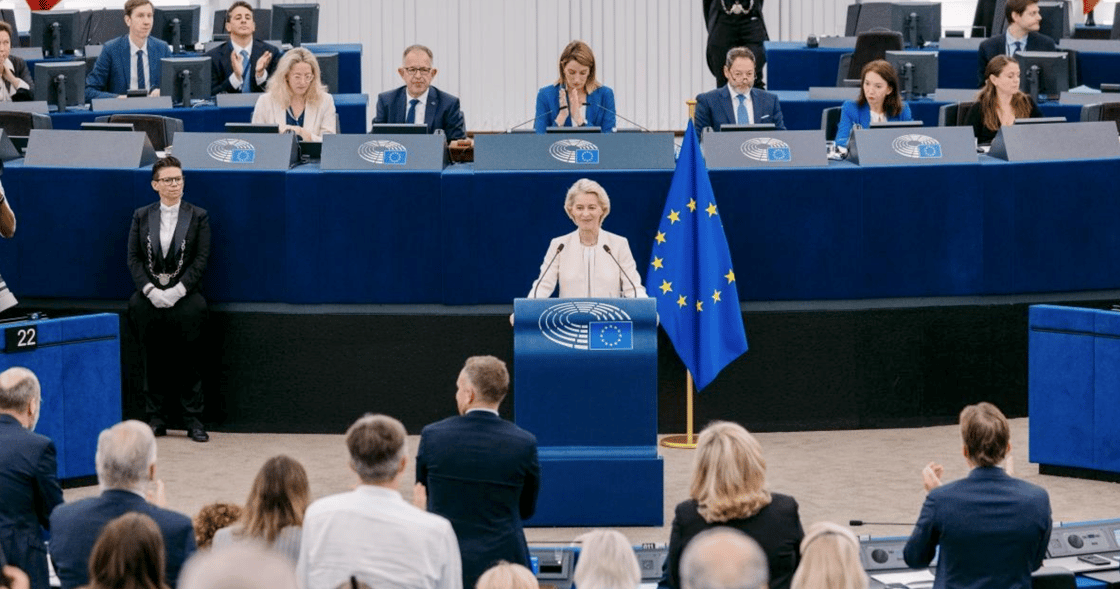
European member states must double down on biomethane and homegrown clean energy, according to European Commission President Ursula von der Leyen.
Delivering the State of the Union 2026 address, she said since the start of the Middle East conflict, imported fossil fuels have cost the continent an additional €90bn ($103bn) without a single molecule of energy added.
New technologies would give Europe independence and develop a new system build on electrification.
“Our goal is to double the share of electricity by 2040. With this, Europe could cut its fossil-fuel import bill by €260bn ($300bn) a year. But we also need to ensure that the electricity we generate is available,” she said.
“Last year, we installed more than 80 gigawatts renewable capacity. But six times more capacity is still waiting to be connected. This is why we need the grids package so urgently.”
European countries are increasingly turning away from state-funded production support for biomethane towards , according to new S&P Global research.
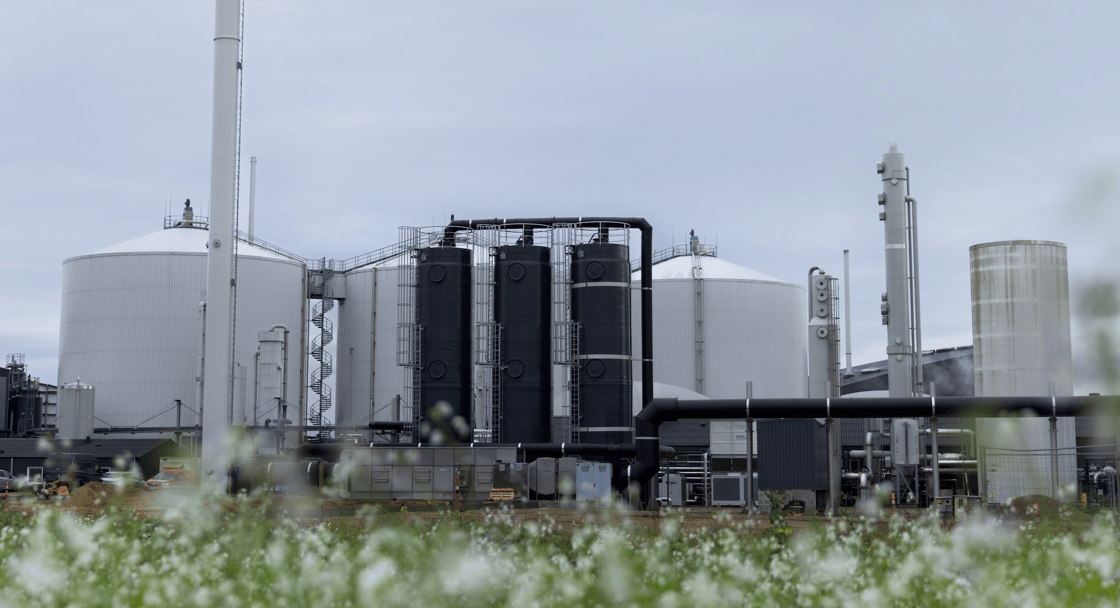
Yet the EU’s biomethane market growth remains hindered by a fractured policy picture with counterparties needing to navigate shifting requirements for grid connection and injection, cost allocation, guarantees of origin, proof of sustainability and certification systems in a rapidly evolving market.
Nonetheless, Europe’s biomethane sector added more than 1 billion cubic metres (bcm) of annual production capacity in a year , up 17% on 2025, according to the European Biogas Association.
The President said it can bring down energy prices, invest and innovate more, and reform economies but all this is undermined if companies do not compete on a level playing field.
“Our trade deficit with China is now €1bn ($1.15bn) a day. It has reached a tipping point. Some say the second China shock is looming. But it’s already here. It shows in our communities and in factories across our Union. It leads to deindustrialisation in the industrial heartlands of Europe. This is unsustainable,” she said.
On AI, she said Europe has world-class industries that sit on the highest-quality data. “These data are a precious European treasure. They are what can power tailor-made industrial AI models,” she said.
Her wide-ranging speech also referenced a new ‘Middle Corridor’ international connectivity project, linking the South Caucasus and Central Asia directly to the European market.
“To make this a reality, we will organise a Regional Connectivity Summit with the Prime Minister of Bulgaria,” she added.
“Through Global Gateway, we will aim to crowd in up to €12bn ($13.8bn) in public and private investment. Our goal is to diversify routes, triple trade flows and slash freight transit times by 2030.”