By
57 min ago 3 min read
The US-Iran conflict is unlikely to be resolved before the end of 2026, with continued disruption to global oil and gas supplies expected to persist for years, according to risk analyst Eurasia Group.
Henning Gloystein, Managing Director of energy, climate and resources at the political risk consultancy, told the Wind Finland renewables conference in Helsinki that a resolution to the conflict and a return to normal shipping through key Middle Eastern waterways remained unlikely in the near term.
As reported by Montel, Gloystein said, “We do not see a credible solution to this conflict any time over the next few weeks or months.”
He added that a limited agreement restoring shipping through the Strait of Hormuz and Bab el-Mandeb, alongside an end to the violence, was unlikely before the end of the year.
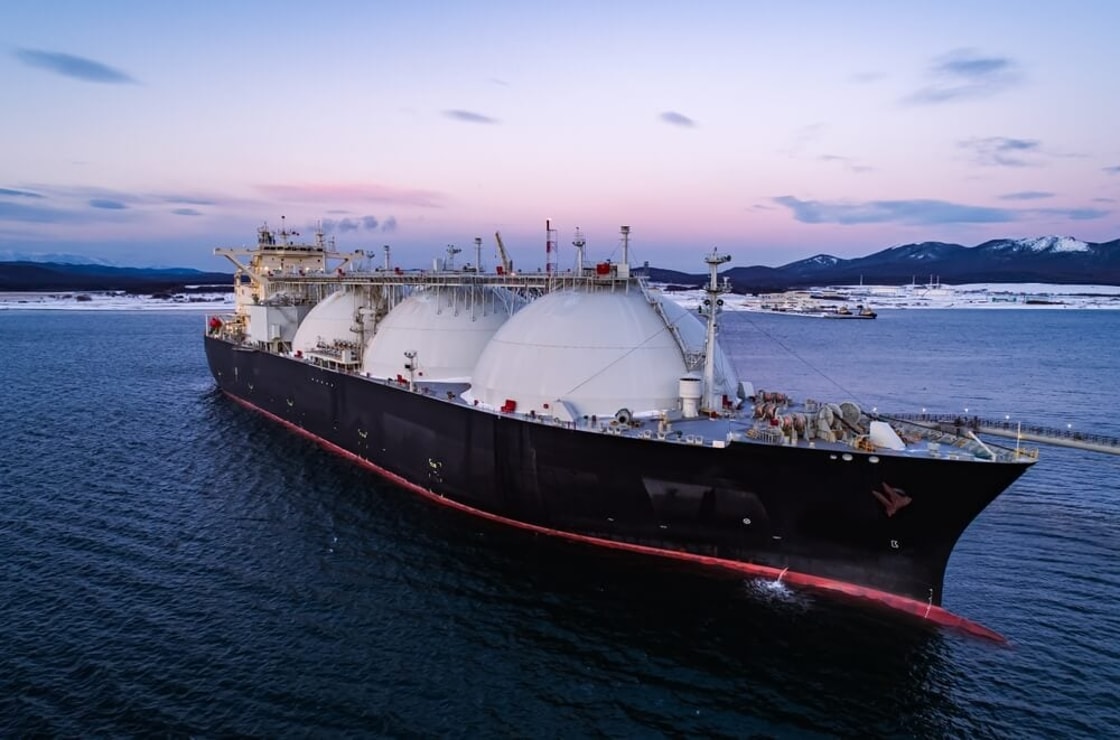
The conflict, which began in February, has disrupted energy shipments and damaged critical infrastructure across the Gulf, with Qatar’s LNG sector among those affected.
Italian energy company Edison that QatarEnergy had extended its force majeure on LNG deliveries until early December, cancelling a further six cargoes.
The latest extension brings the total number of affected cargoes to 35 since the initial declaration in April, representing approximately 4.6 billion cubic metres (bcm) of natural gas.
QatarEnergy initially declared force majeure following missile attacks in March that damaged facilities at Ras Laffan, disrupting LNG production and exports.
Gloystein warned that even a ceasefire would not bring an immediate recovery for global gas markets, estimating that it could take four to five years for markets to recover from the disruption.
He said the damage to Qatar’s gas infrastructure, alongside refineries and fertiliser facilities, would have long-lasting consequences.
“It will almost certainly take to the end of this decade to resolve all of the issues and damage that has already been done,” he said, as reported by Montel.
Gloystein added that the threat to maritime chokepoints extended beyond the Strait of Hormuz, with the Bab el-Mandeb and Strait of Malacca also presenting potential risks to global energy supplies.
The latter could face disruption in the event of a Chinese attack on Taiwan, he added.
Gloystein argued that the vulnerability of global energy supply chains reinforced the case for electrification and renewable energy.
“You will hear a lot from the oil and gas industry that if you just invest into an abundance of oil and gas, it will shield you from disruption,” he said. “It’s not true.”
He added that investment in electrification, renewables and energy efficiency was the only way to reduce exposure to disruptions at key shipping routes.
The prolonged disruption to Qatari LNG supplies has already forced buyers in Europe and Asia to seek alternative sources, while US LNG exports have benefited from the supply shortfall.
Edison, which has a long-term contract with QatarEnergy for 6.4bcm of gas annually, said it had replaced 23 of the 35 affected cargoes as of 28 September, equivalent to around 2.3bcm.