By
21 min ago 3 min read
Iowa regulators have rejected Summit Carbon Solutions’ request to consolidate permitting proceedings for two sections of its planned carbon dioxide (CO2) pipeline, potentially prolonging the project’s regulatory uncertainty, according to local reports.
The sections form part of Summit’s second-phase expansion, intended to connect additional ethanol plants to its proposed CO2 transport network. The ruling does not apply to other outstanding cases.
Iowa Capital Dispatch reported the Iowa Utilities Commission (IUC) rejected Summit’s request to consolidate permit cases but established separate hearing dates for two sub-five-mile sections of the pipeline in Ida and Floyd counties.
Hearings are set for 23 February 2027 and 23 March 2027, respectively.
Summit argued in its filing IUC had scheduled hearings and issued orders for other energy projects while giving Summit no clear procedural path.
In its order, IUC pointed to a lawsuit over the project’s first permit as part of the larger picture affecting these cases, according to the report.
The decision adds to a string of regulatory and legal setbacks for Summit, which has faced opposition over land access, eminent domain powers, and pipeline safety across its proposed Midwestern network.
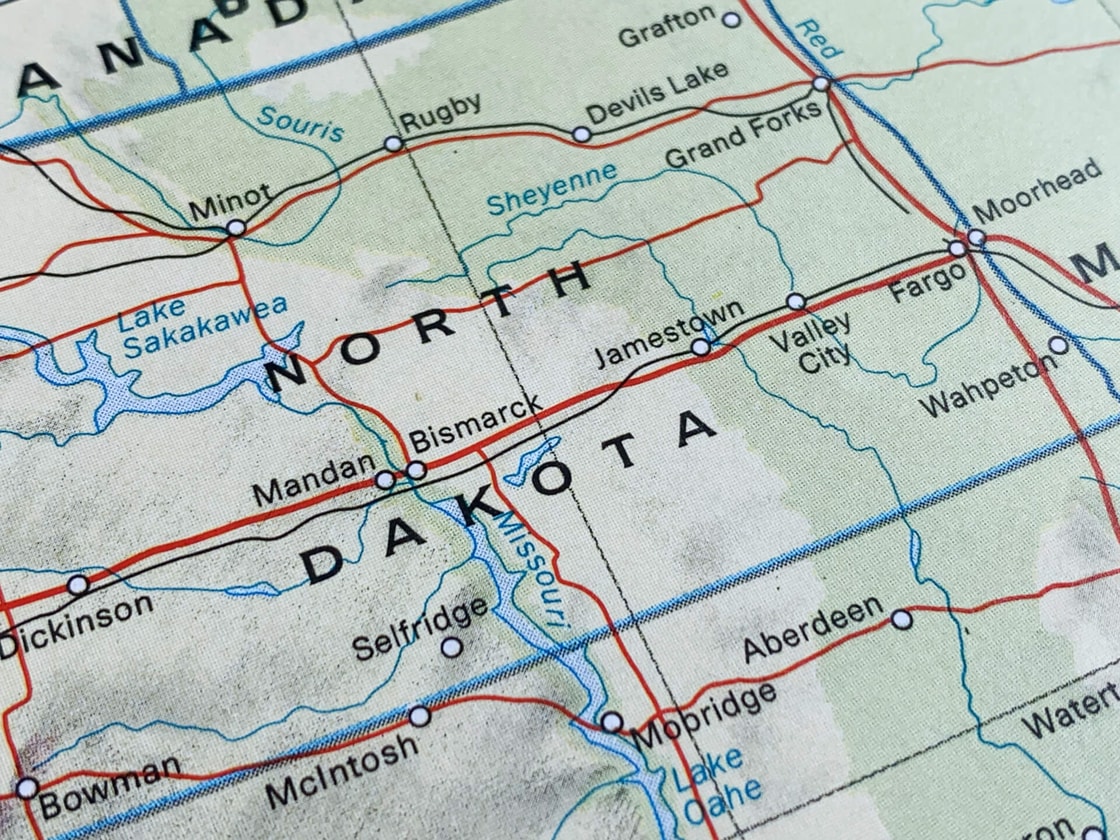
The first permit, , covered more than 600 miles of pipeline in Iowa, intended to carry CO2 volumes captured from ethanol plants to a proposed underground sequestration site in North Dakota.
However, ongoing legal challenges in Iowa and restrictions on the use of eminent domain for CO2 pipelines in South Dakota have complicated the original route.
Summit is pursuing an alternative corridor through Nebraska to a potential storage site in Wyoming, while exploring utilisation opportunities including enhanced oil recovery.
In February 2025, it signed a deal to supply e-fuels producer Infinium’s planned facility in either North Dakota or South Dakota with up to per annum of captured CO2.
It is unclear whether that arrangement still applies under the Wyoming route.
The setbacks reflect wider challenges facing US CO2 transport infrastructure, with pipeline developers navigating differing state permitting requirements, landowner opposition, and disputes over eminent domain rights.
While around 5,000 miles of CO2 pipelines are operational across the US, much of the network is disconnected from potential new sources of captured emissions.
For US ethanol producers, which generate relatively concentrated streams of biogenic CO2, developing new pipeline connections could unlock greater access to carbon storage and utilisation markets.
However, permitting delays risk holding back these opportunities and complicating long-term supply arrangements with emerging CO2 consumers, including e-fuels manufacturers.