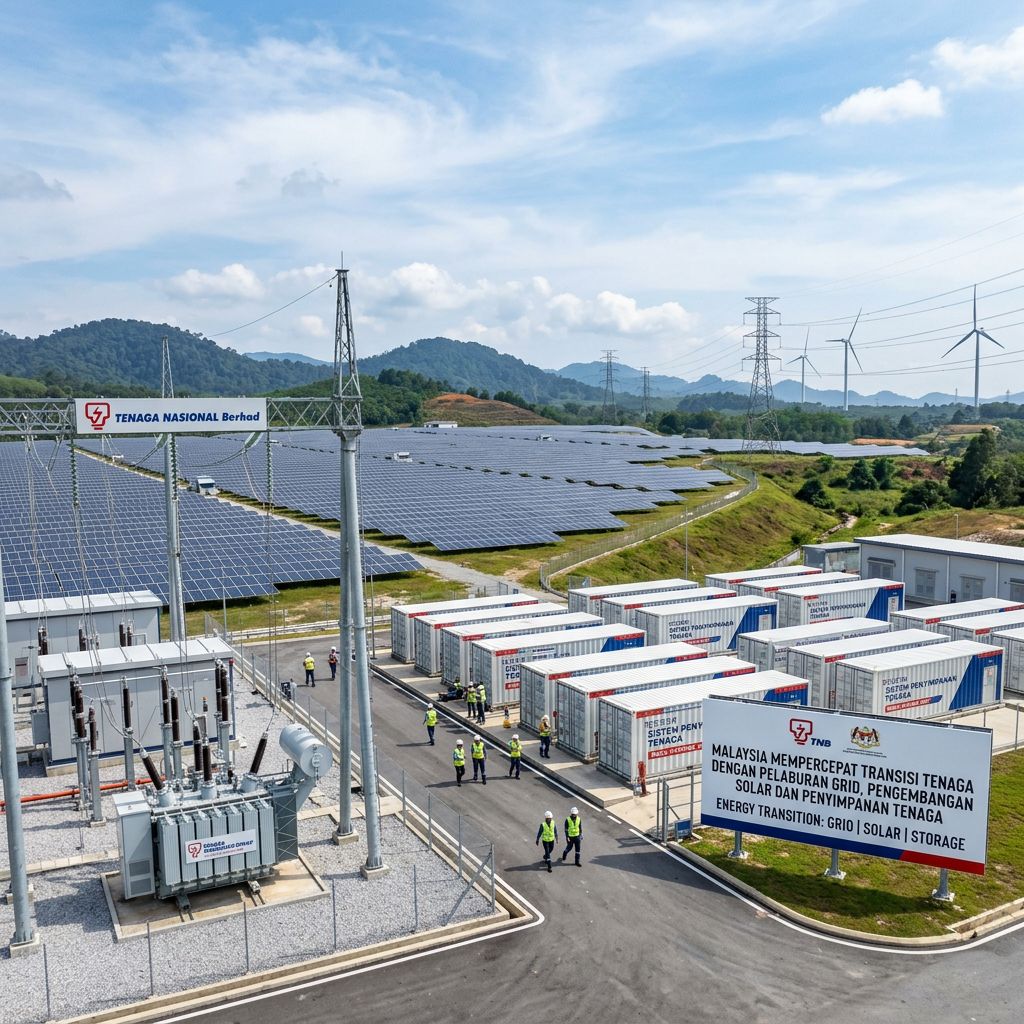
Malaysia’s energy transition is expected to gain momentum through increased investments in electricity grid infrastructure, renewable energy projects and energy storage systems, according to a recent analysis by CGS International. Government initiatives and budgetary measures are supporting the country’s efforts to advance its National Energy Transition Roadmap (NETR), with a focus on improving energy security, expanding clean power generation and modernising the electricity network.
The country’s utility sector is expected to benefit from sustained spending on grid upgrades and renewable energy integration. These investments are intended to strengthen electricity supply reliability, accommodate growing power demand and support the wider adoption of renewable energy by businesses and industries.
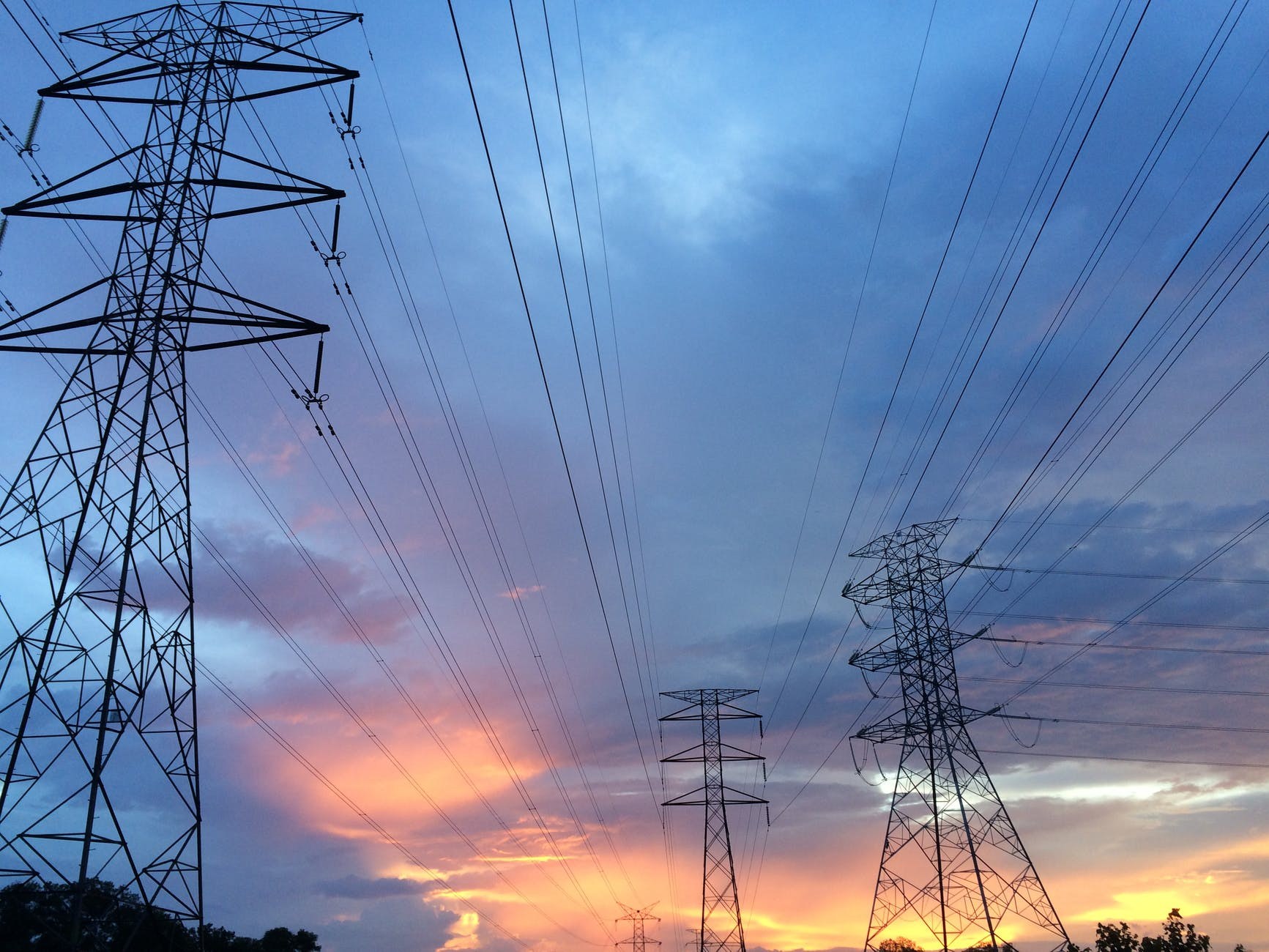
Tenaga Nasional Berhad (TNB), Malaysia’s national electricity utility, has committed substantial investments to strengthen the country’s power grid. The spending is expected to improve network reliability and security while supporting the integration of additional renewable energy capacity. Modernising transmission and distribution infrastructure will be important as Malaysia increases the contribution of solar power and other clean energy sources to its electricity mix.
Funding for centralised solar parks, decarbonisation programmes and energy storage systems is also contributing to the transition. These initiatives are expected to support the deployment of renewable energy projects and improve the electricity system’s ability to manage fluctuations in clean power generation. Energy storage could play an important role in balancing supply and demand as solar power capacity expands.
Malaysia’s energy transition is also gaining support from specialised climate funds and regional cross-border energy initiatives involving major industry participants. Such projects could strengthen electricity connectivity between neighbouring countries, improve access to energy resources and support wider regional decarbonisation efforts. Greater cross-border cooperation is expected to become increasingly important as Southeast Asian countries explore ways to improve energy security and accelerate the adoption of low-carbon electricity.
However, potential changes to green technology tax incentives could create challenges for renewable energy developers and investors. According to the analysis, revisions to certain tax frameworks and the exclusion of some standalone renewable energy projects from specific investment allowances may affect project economics.
These adjustments could increase the returns required by investors or influence the financial attractiveness of corporate renewable energy supply arrangements. Developers may need to reassess project costs and investment plans depending on the final implementation of the revised policies. Greater clarity from policymakers will therefore be important to help businesses understand the implications and maintain investment confidence.
Despite these concerns, Malaysia’s utility sector outlook remains positive, supported by infrastructure spending, rising electricity demand and continued government commitment to clean energy development.
Ongoing investments in grid modernisation, solar power and energy storage are expected to support the country’s long-term transition objectives. While tax policy adjustments may introduce additional considerations for investors, Malaysia’s broader push towards a more sustainable, secure and connected energy system remains firmly supported by its national development priorities.
Subscribe to get the latest posts sent to your email.