By
16 min ago 2 min read
Tech major-backed carbon removal initiative Frontier will pay an Omani start-up $11.7m to remove and permanently store over 20,000 tonnes of carbon dioxide (CO2) using a method that converts CO2 into solid rock.
The initiative, which buys removals on behalf of companies like Google, Shopify, and Workday, has signed offtake agreements with Oman’s 44.01, covering 20,932 tonnes of CO2 between 2028 and 2031.
The deal will see 44.01 use its in-situ mineralisation technology to permanently store biogenic CO2 by injecting it underground, where it reacts with minerals in surrounding rock to form stable, solid carbonates.
The CO2 will be separated from biogas produced at a wastewater treatment plant before being transported to 44.01’s storage site in the United Arab Emirates.
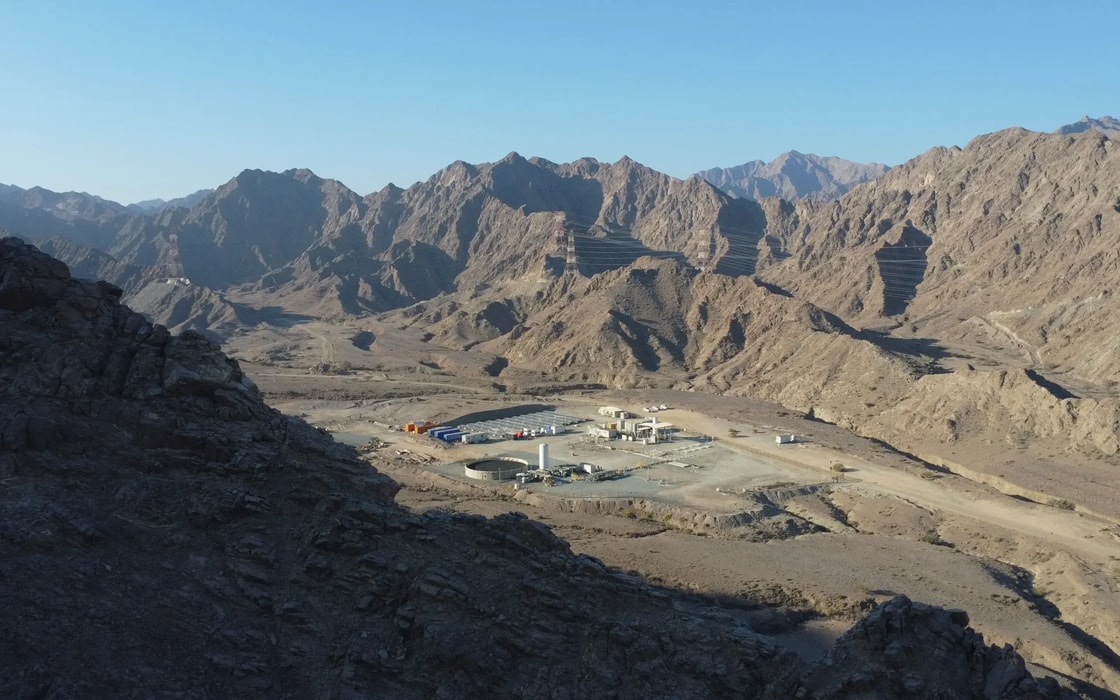
There, the captured gas will be dissolved into water and injected approximately 1,000 metres underground into magnesium-rich rock formations to form the carbonate materials.
44.01 has already begun CO2 injection at its Fujairah site, announcing an expansion in December 2025 that increased its injection capacity tenfold, with a target of injecting up to 20 tonnes per day.
It marks Frontier’s first carbon removal offtake using the process, and 44.01 said it would support its transition from short-duration injection trials to continuous, multi-year operations.
The project will generate operating data on sustained CO2 injection rates, water consumption, and costs, helping assess the technology’s commercial viability and potential for larger-scale deployments.
Unlike conventional geological storage, which typically involves injecting CO₂ into deep porous rock formations, 44.01’s process chemically converts the gas into solid minerals, offering an alternative permanent storage pathway.
44.01 CEO, Talal Hasan, said, “Frontier and its buyers are backing a fundamentally different approach to permanent carbon removal – turning captured CO2 into rock.
“Our focus is now on delivering at commercial scale, continuously improving performance and driving down costs, so that more customers can benefit from this technology.”
The technology could also enable permanent CO2 storage closer to industrial emission sources, reducing reliance on long-distance transport infrastructure.
The firm is also exploring industrial applications through a pilot with building materials producer Holcim at a where the technology is being tested for the permanent storage of industrial CO2 emissions.