By
37 min ago 2 min read
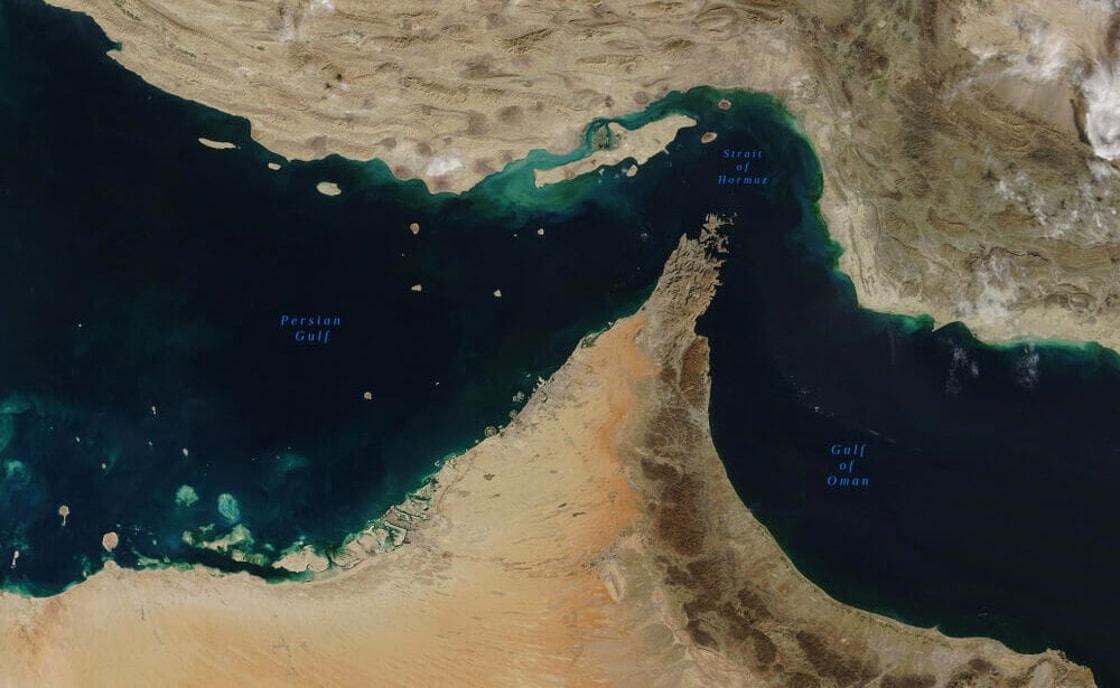
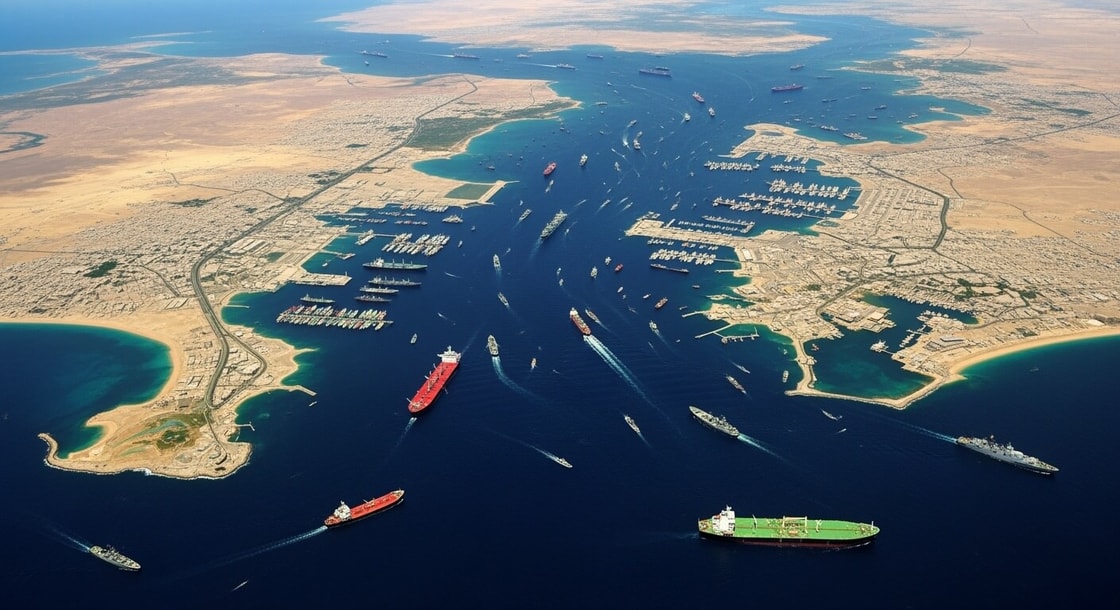
Global helium supplies could be 20% short of demand if the Strait of Hormuz remains effectively closed and cavern storage sites are depleted.
That was the update from Rich Brook, Helium and Industrial Gas Consultant at Garrison Ventures, speaking at gasworld’s Helium Super Summit in Houston, who said cavern volumes had softened the impact of the disruption.
He estimates that current helium supply sits at around 4.8 billion cubic feet (Bcf).
Brook projected that if the Strait of Hormuz remains effectively closed, global annual supply could sit at around 5.3 Bcf with cavern supply, leaving the global helium market around 8% to 10% short against a demand of 6 Bcf.
There are now four privately owned helium storage facilities globally: Linde’s and Air Products’ – both in Beaumont, Texas – Air Liquide’s in Germany, and Messer’s facility, which was formerly part of the Bureau of Land Management (BLM) system.
“You could see…that the market could go from whatever it is today to maybe 20% short if the caverns start dropping out. That can persist for some period of time to come,” Brook said.
Phil Kornbluth, founder and President of Kornbluth Helium Consulting, told delegates, “Now the inventory is coming out and doing exactly you know what it was meant to do… there’s a big difference in operating with a 10% shortage and a 30% shortage in the world.”
Brook added, “Once those caverns are pumped out, they don’t get refilled until the market goes on, which means that situation will persist.”
This comes after Air Products reported that 40% of helium volumes sold during the third quarter of 2026 came from its storage cavern in Texas.
At gasworld’s 2025 Helium Summit, Brook warned that helium caverns are a ‘double-edged sword’. However, this year, he said the current global helium market indicates the advantage of leveraging helium storage.
Helium can be stored in the caverns for decades and quickly withdrawn when demand spikes. Salt caverns support high cycling rates, allowing for frequent withdrawals without damaging the structure.
“But an extended long period in this industry of people pumping helium into caverns is going to cause some serious agony, and that’s why it can be a double-edged sword,” he concluded.