The first concrete was poured on 31 October, said China National Nuclear Corporation subsidiary China Nuclear Industry 24 Construction Co Ltd (CNNC 24), which has been contracted by State Power Investment Corporation to conduct the civil construction of the Haiyang Phase III (units 5 and 6) nuclear islands. It said this marks “the official commencement of the main construction of unit 5 and the entry of the third phase of the project into the full-scale construction phase”.
CNNC 24 noted that the concrete pouring volume for the first pour for unit 5’s nuclear island is about 6,626 cubic metres and that the first pour is expected to take nearly 62 hours to complete.
“Faced with the challenges of a large single pour, long duration, and complex construction organisation, CNNC 24, drawing on its experience from the construction of Phase I and Phase II units, continuously optimised the construction logic, promoted major design optimisations, and conducted advance scheme reviews and prerequisite verifications,” it said.
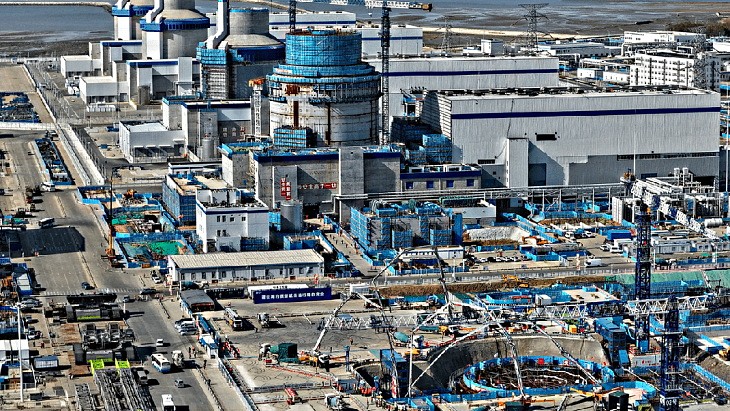
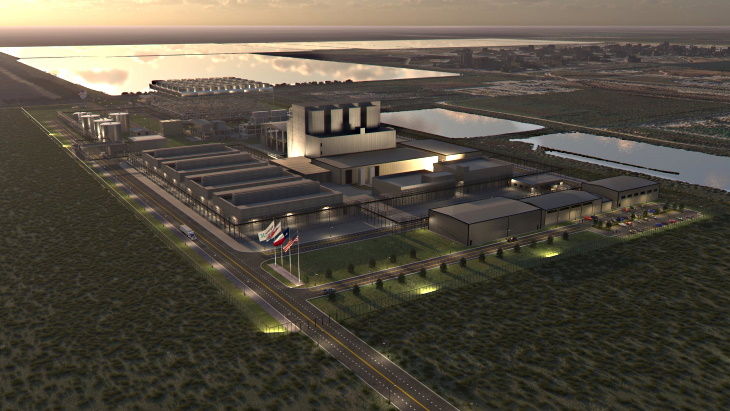
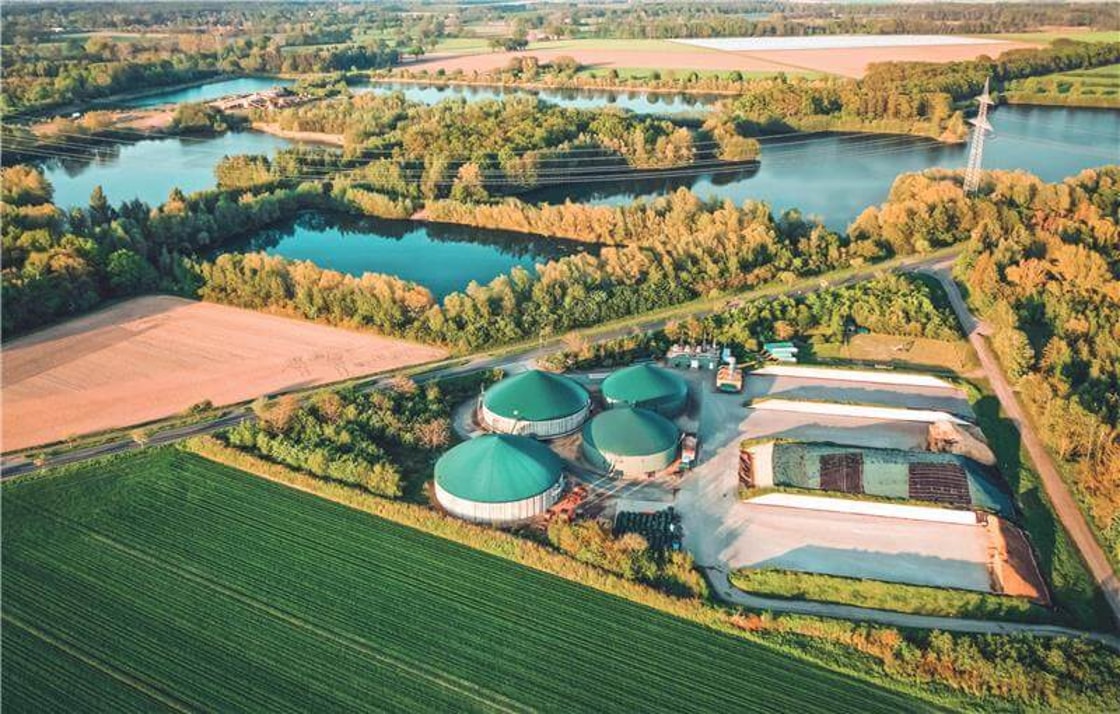
(Image: SPIC)
Construction of Haiyang units 5 and 6 was approved by the State Council on 27 April 2025, and construction permits have already been obtained for the two CAP1000 reactors – the Chinese version of the Westinghouse AP1000 – from the National Nuclear Safety Administration.
Phase I of the Haiyang plant comprises two AP1000 units, which entered commercial operation in October 2018 and January 2019, respectively. The construction of two CAP1000 reactors as Phase II began in July 2022 and April 2025, respectively. Those two units are both scheduled to be fully operational in 2027.
After the completion and commissioning of units 5 and 6, the Haiyang plant’s clean electricity and centralised heating supply capacity will be further expanded. The plant will become the world’s largest nuclear energy base fully utilising passive pressurised water reactor technology, CNNC 24 noted, with an annual power generation capacity of 60.9 billion kilowatt-hours, “capable of meeting the annual electricity needs of 54 million residents, saving approximately 18.56 million tonnes of standard coal and reducing carbon dioxide emissions by 48.63 million tonnes annually. Simultaneously, its heating capacity will exceed 150 million square metres, covering 25 county-level cities”.