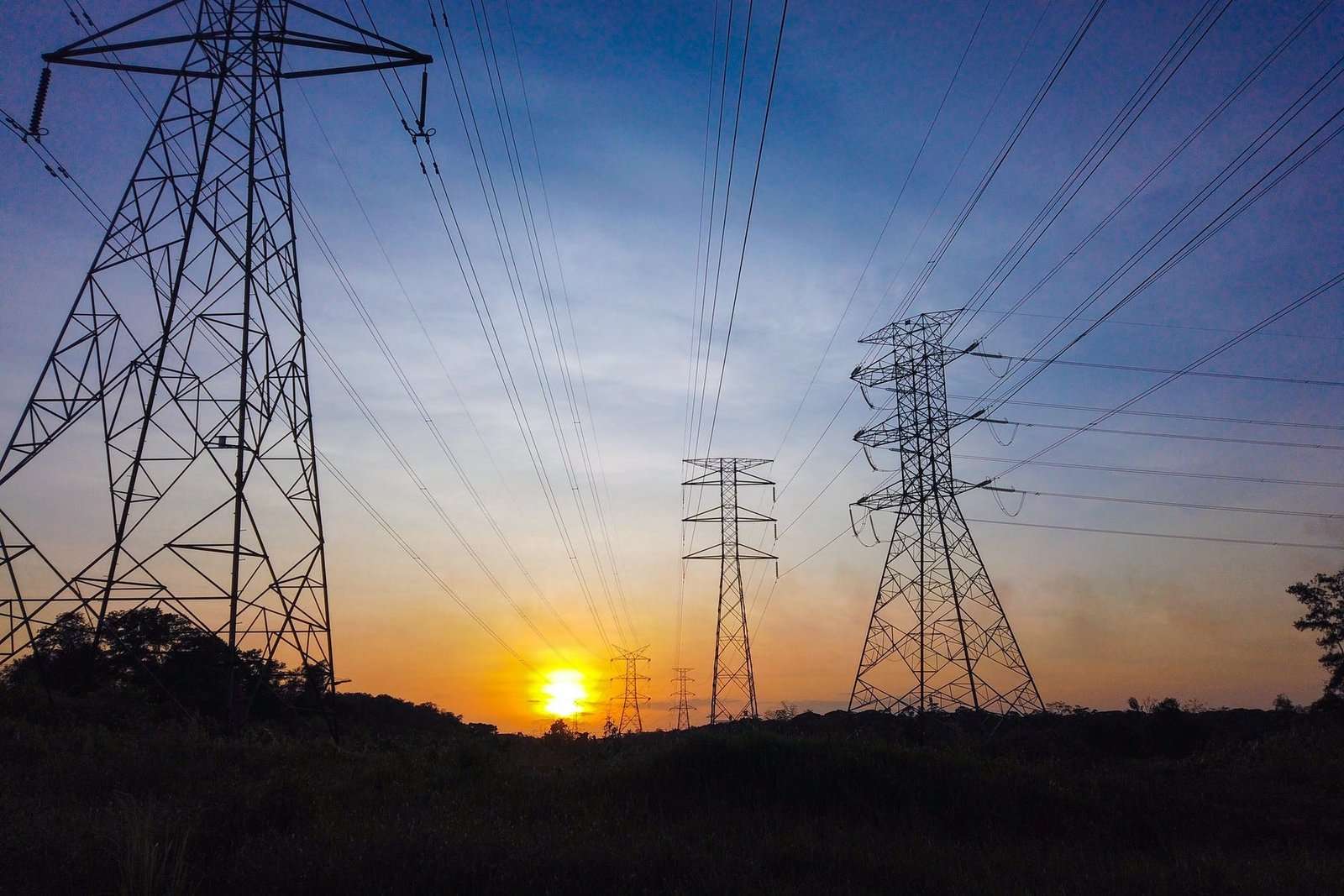
Zambia is expected to commission a major high-voltage electricity transmission project connecting the country with Tanzania and Kenya by the second quarter of 2029. The 2,300-kilometre Zambia-Tanzania interconnector is designed to strengthen regional electricity trading, improve power supply reliability and connect electricity markets across Southern and Eastern Africa.
Zambia’s Electricity Minister Peter Kapala informed lawmakers on Thursday that the project is progressing, with construction expected to be completed within the planned timeframe. The transmission infrastructure, estimated to cost $1.2 billion, was agreed upon in 2014 and is considered an important regional energy infrastructure development.
The project will establish a transmission link between Zambia, Tanzania and Kenya, connecting the Southern Africa Power Pool (SAPP) with the Eastern Africa Power Pool (EAPP). Once operational, the interconnector will enable Zambia to trade up to 500 megawatts (MW) of electricity with neighbouring countries. It is also expected to strengthen Zambia’s position as a regional electricity trading hub.
Zambia has secured $292 million in grant funding from the World Bank Group, the European Union and the United Kingdom to support the development. As part of the project, the country will construct slightly more than 600 kilometres of transmission lines within its territory.
According to Kapala, China’s Sinotech Consortium was awarded contracts last month for the initial construction phases in northern Zambia. The first phase covers a 186-kilometre transmission line connecting the Pensulo substation to Mpika. The second phase involves a 200-kilometre section linking Mpika to the Kasama substation.
Kapala stated that the full scope of the Zambia-Tanzania interconnector project would be undertaken over 24 months, with commissioning targeted for the second quarter of 2029.
The project is expected to create opportunities for cross-border electricity exchanges, improve regional grid connectivity and support more efficient utilisation of available power generation resources. By connecting the two regional power pools, the initiative could also strengthen electricity supply security and facilitate greater cooperation among African countries in developing their energy sectors.
Subscribe to get the latest posts sent to your email.