By
38 min ago 3 min read
Increasing liquefied natural gas (LNG) shipments from Qatar have raised hopes of a recovery in helium production, with industry estimates suggesting output could reach 40% to 50% of pre-war capacity.
New shipping data from Kpler showed Qatar’s LNG loadings reached 2.7 million tonnes in October, compared with 6.2 million tonnes in February, before the outbreak of the US-Iran conflict.
Adjusting for the difference in month lengths, October’s shipments were equivalent to around 39% of February’s daily export rate.
Meanwhile, S&P Global Energy estimated that LNG tanker transits through the Strait of Hormuz have recovered to of pre-war levels.
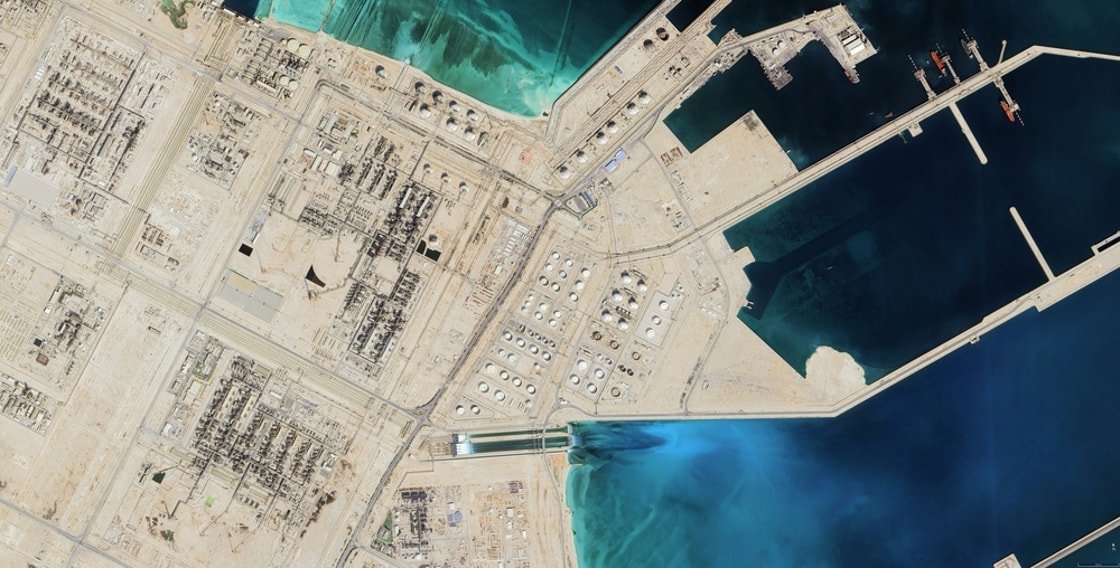
The increase in LNG shipments could signal an improvement in helium production at Qatar’s Ras Laffan complex, where helium is recovered from natural gas processing operations.
Helium industry consultant Phil Kornbluth estimates that Qatar’s helium production could theoretically recover to 40% to 50% of pre-war capacity, supported by improving natural gas processing activity.
With the Barzan gas plant remaining offline, other facilities may be processing additional natural gas to meet domestic demand, potentially supporting helium production beyond what LNG export volumes alone would suggest.
The recovery is understood to be centred on Qatar’s at Ras Laffan, which partially restarted in June.
Commissioned in 2013, the plant recovers helium from natural gas processed through six LNG trains and has an annual production capacity of approximately 6,300 tonnes, representing more than half of Qatar’s installed helium capacity.
While Qatar’s Helium 1 and Helium 3 facilities are understood to remain offline, The Brook Report cited multiple industry sources suggesting QatarEnergy is considering restarting Helium 1, which accounts for more than a quarter of the country’s installed helium capacity. No official decision or timeline has been announced.
“Sustained helium recovery requires sufficient LNG production, which in turn requires outlets for LNG shipments,” the report said.
However, any recovery in production may take longer to translate into increased international helium supplies, with shipping restrictions and container availability continuing to constrain exports.
Kornbluth told gasworld’s recent Helium Super Summit that it could take to reposition containers deployed to North America and Asia for refilling in Qatar.
“This is not [an] instantaneous supply chain. It’s a… long supply chain,” he noted.
Major industrial gas suppliers remain cautious about the prospects for a near-term recovery in helium supply.
Last week, Air Products CEO Eduardo Menezes told investors the firm did not expect “any meaningful resolution” that would affect the helium market for at least .