By
17 min ago 3 min read
A German research initiative backed by more than €24m ($26.4m) in federal funding is exploring new ways to capture and convert carbon dioxide (CO2) into industrial raw materials, including methanol, ethylene and acetate.
The three-year DISCO2 (Disruptive Approaches to Industrial Use of CO2) programme brings together 41 partners from science, business and industry across 13 research projects, with the aim of developing new carbon capture and utilisation (CCU) technologies.
Funded by Germany’s Federal Ministry of Research, Technology and Space, the initiative focuses on innovative CO2 separation processes and conversion technologies that could reduce industry’s reliance on fossil-based carbon feedstocks.
Researchers are investigating how captured CO2 can be used to manufacture chemicals and other products traditionally derived from fossil resources, supporting the development of a circular carbon economy.
The initiative held a two-day meeting in Berlin on 10 and 11 November, where project partners discussed technical and economic opportunities, research priorities and future milestones.
An accompanying project, WiNCO2, will coordinate knowledge-sharing between the research groups and examine the regulatory and commercial barriers to bringing CCU technologies to market.
The Institute for Climate Protection, Energy and Mobility (IKEM) is responsible for assessing the legal framework, while Hamburg University of Applied Sciences will coordinate life cycle assessments to establish the potential emissions benefits of the technologies.
Leony Ohle, Head of Energy Law at IKEM, said appropriate regulation would be essential to translating the research into commercially viable applications.
“We are therefore investigating where regulations are lacking or opposed to implementation and how they can be further developed in a sustainable way,” she said.
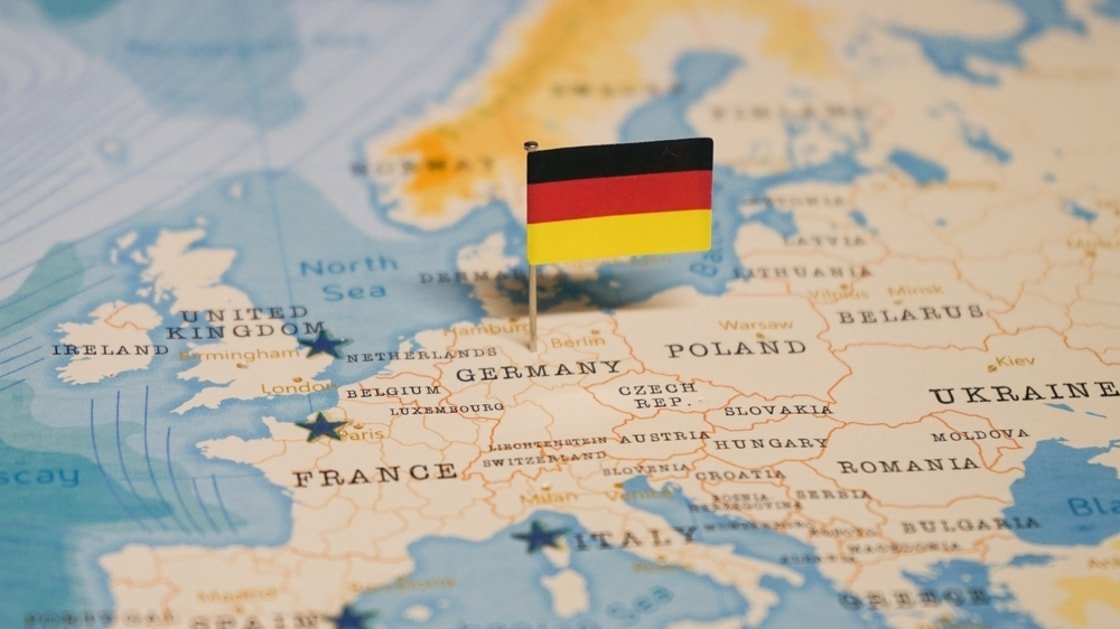
The initiative comes as Germany expands its carbon management framework following reforms to its CO2 storage and transport legislation in 2025.
The changes paved the way for commercial offshore CO2 storage and the development of pipeline infrastructure, removing longstanding regulatory barriers to the wider deployment of CCS and CCU technologies.
Germany has also strengthened cross-border cooperation, signing agreements with Denmark and the Netherlands in October 2026 to facilitate future CO2 exports for storage.
While these reforms primarily address CO2 transport and storage, DISCO2 is focused on developing pathways that could see captured carbon reused rather than permanently stored.
However, researchers stressed that the climate benefits of CO2-derived products will depend on their emissions across the entire value chain.
Professor Sebastian Timmerberg, from the Competence Center for Energy Transition at Hamburg University of Applied Sciences, said CO2-based products would only deliver climate benefits if their overall greenhouse gas emissions were lower than those of conventional fossil-based alternatives.