By
22 min ago 3 min read
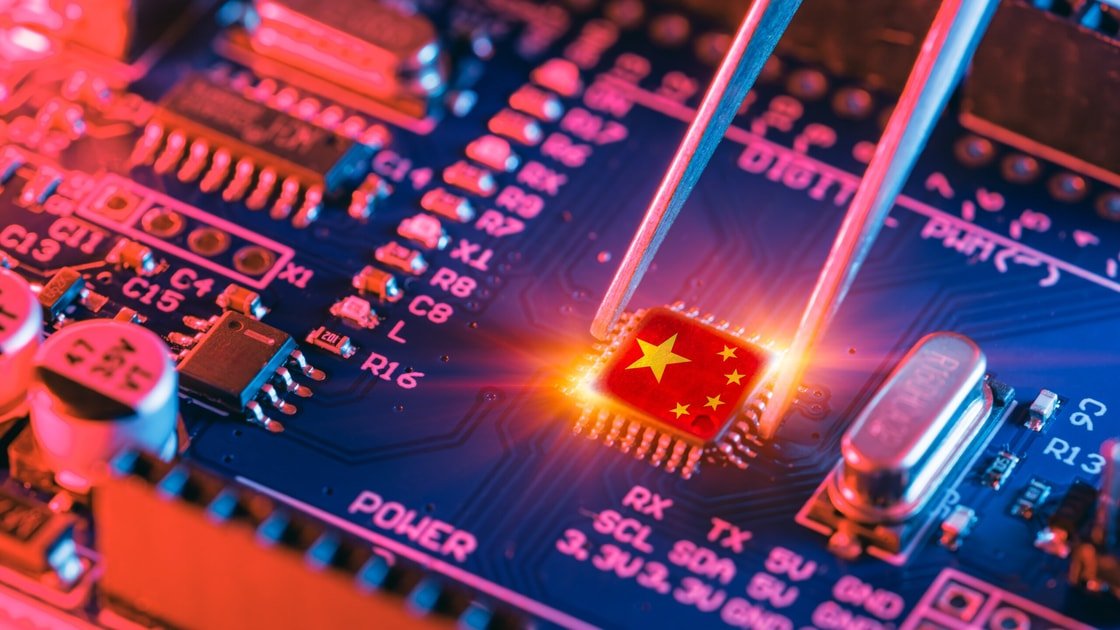
Chinese chemical producer Haohua Yuhang has begun trial production of ultra-high-purity hydrogen chloride for semiconductor manufacturing, adding to domestic supply capacity as China seeks to strengthen its position in the electronic specialty gases market.
The subsidiary of state-owned Sinochem Holdings successfully produced hydrogen chloride with a purity exceeding 99.9999% (6N) during its first production run, according to China’s Science and Technology Daily.
Testing found total impurity levels of no more than 0.2 parts per million (ppm).
Although hydrogen chloride is an established industrial chemical, producing it to electronic-grade specifications requires highly specialised manufacturing and purification processes. Even trace impurities can affect semiconductor fabrication and the quality of finished chips.
Electronic-grade hydrogen chloride is used in several stages of chip manufacturing, including silicon wafer polishing, surface treatment and etching.
Sinochem said its project team made multiple technical adjustments to the distillation and purification processes before establishing the production route.
The development comes as China seeks to expand domestic production of critical semiconductor materials and reduce reliance on overseas suppliers.
Hydrogen chloride is one of several specialty gases used in chip fabrication, alongside tungsten hexafluoride (WF6), hydrogen bromide and .
Supply vulnerabilities across the sector have highlighted the importance of securing both gas production and the raw materials used to manufacture electronic-grade products.
Bromine, for example, is a key feedstock for semiconductor-grade hydrogen bromide, which is used to etch precise patterns into silicon wafers. Around two-thirds of global bromine production originates in Israel and Jordan, according to the US Geological Survey.
Read more:
In April, gasworld reported on the potential disruption to bromine supplies amid conflict in the Middle East, with South Korean semiconductor manufacturers particularly exposed due to their reliance on Israeli imports.
Converting bromine into ultra-high-purity hydrogen bromide also requires specialised purification infrastructure.
Supply constraints affecting tungsten hexafluoride have exposed another vulnerability. Japanese producers Kanto Denka Kogyo and Central Glass in July after shortages of electronic-grade tungsten powder disrupted feedstock supplies.
The two companies had previously accounted for around 2,000 to 2,200 tonnes of annual production.
Chinese producer CSSC Specialty Gas subsequently announced plans to add 1,000 tonnes per year of WF6 capacity by 2027, taking its total capacity to 3,000 tpa.
China has also expanded production of other high-purity semiconductor materials. In July, Binzhou Group achieved commercial-scale production of 6N-grade hydrogen fluoride, another chemical used in advanced chip manufacturing.