Solar energy has emerged as one of the fastest-growing sources of renewable energy globally. How do you see its role evolving in the coming decade as countries work towards their clean energy and net-zero targets?
The amount of electricity generated worldwide from solar photovoltaics surpassed that from nuclear and wind in 2025 and is destined to surpass that from coal in the early 2030s. Past then it will be our largest source of electricity generation, with electricity supplying an increasing portion of our total energy needs.
How significant is the contribution of solar power in reducing global carbon emissions, and what more needs to be done to accelerate the shift from conventional energy sources?
There are now over 3 terawatts of solar photovoltaics installed worldwide that will generate 3.5 petawatt-hours of electricity in 2026. If displacing coal from electricity generation or oil from transport, this will have reduced global CO2 emissions by over 3 gigatons. Solar is being installed at over 0.5 terawatts per year, but this needs to be increased to at least twice this. The more that is installed now, the lower will be global temperature rise
Solar technology has advanced considerably over the years. What have been the most significant breakthroughs in solar cell efficiency, and what innovations can we expect to see in the coming years?
Over the last decade, solar panel efficiency has increased from about 16% to values as high as 25%. We have made a solar system in our lab that converts sunlight with over 40% efficiency. This is by using a stack of four cells, each specialised for a different colour range in sunlight. If this approach can be commercialised at low cost, we would expect commercial panels to operate at such efficiencies at some time in the future.
Despite the rapid growth of solar energy, what are the key challenges that continue to limit its wider adoption, particularly around energy storage, grid integration, efficiency and reliability?
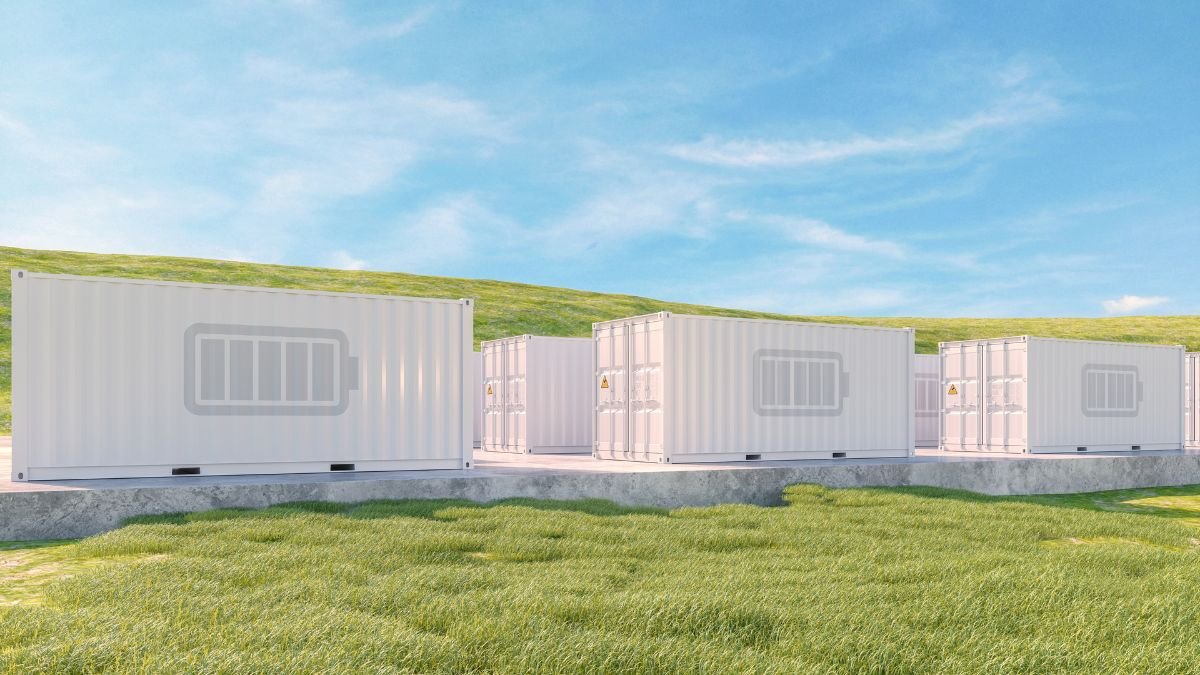
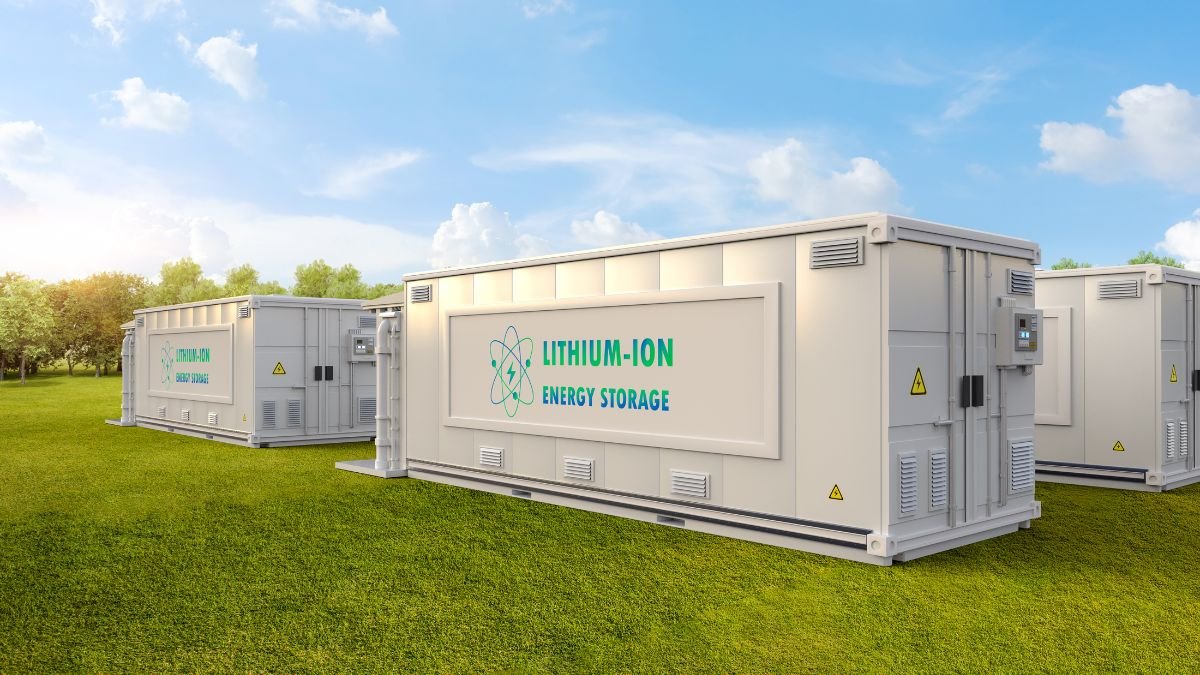
The availability of low-cost Li-ion storage batteries has overcome earlier barriers to large-scale integration. Solar plus batteries are now providing a more reliable electricity supply than traditional coal generators, not only in Australia but in countries like Pakistan and many African countries with notoriously unreliable electricity supply.
How can next-generation solar technologies, including advancements in PERC and TOPCon cells, help improve the performance, affordability and scalability of solar power?
Improving solar cell performance not only lowers the costs of solar panels not only by lowering the amount of glass, cover sheets, frames and terminals required but also costs of transport, support structures and wiring required when being installed.
As solar energy becomes more cost-competitive, what steps are needed to make it a reliable and accessible energy source for both developed and emerging economies?
The International Energy Agency announced in 2020 that solar was now providing “some of the cheapest electricity in history,” but because it used to be expensive, this has taken time to become more widely known. Private citizens in emerging economies have only recently realised this and are now taking the initiative in procuring solar to provide a reliable electricity supply.
Looking ahead, which countries or regions do you believe have the greatest potential to drive the next phase of solar innovation, and how important will international research collaborations be in achieving this?
Australia pioneered both the PERC and TOPCon cell technologies that have dominated recent solar production, so it is likely to play a major role in leading progress here. China and India are the two countries likely to dominate solar production, helped by the strong demand in their local markets.
RELATED ARTICLES
Subscribe Today
GET EXCLUSIVE FULL ACCESS TO PREMIUM CONTENT
SUPPORT CLEANTECH JOURNALISM
EXPERT ANALYSIS OF AND EMERGING TRENDS
TOPICAL VIDEO WEBINARS
Get unlimited access to our EXCLUSIVE Content and our archive of subscriber stories.
Exclusive content this week
Latest article