By Tsvetana Paraskova – Nov 20, 2026, 4:15 AM CST
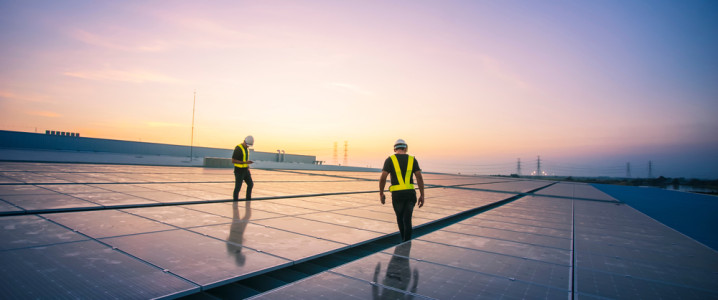
Chinese exports of solar cells jumped in October for the second consecutive month as importers are stocking up ahead of new U.S. tariffs on polysilicon coming into effect on December 4.
China’s solar cell exports soared by 21% year-over-year to 1.55 billion units in October, Bloomberg reported on Friday, citing data from China’s General Administration of Customs.
October was the second month in a row in which Chinese solar cell shipments overseas rose from a year earlier, after four consecutive months of declines between May and August with a trough in July.
China’s exports of solar cells and panels began to drop in May after Beijing removed the local export tax rebate as of April 1, which depressed export volumes.
ADVERTISEMENT
The world’s top solar panel and cell manufacturer scrapped, effective April 1, 2026, export tax rebates for the value-added tax (VAT) of photovoltaic products, including solar cells and panels. China will also withdraw the export tax rebate on battery products, effective January 1, 2027. The Chinese tax policy change was widely expected to slow solar exports from April 2026 onwards, as the policy raises export costs and makes Chinese PV products more expensive internationally.
However, the U.S. tariffs on solar-grade polysilicon, announced in August, prompted a rush among buyers of Chinese solar cells to stock up ahead of the tariff start date, December 4, 2026.
The Trump Administration is imposing in December minimum import prices for imported polysilicon and polysilicon derivatives, including solar cells, solar wafers, and solar modules, plus a 15% tariff, “so that such imports will not threaten to impair the national security of the United States.”
Separately, China’s authorities consider export controls and/or bans on a dozen solar manufacturing technologies. China last month proposed a trade policy that could limit its exports of some solar technologies, including those for manufacturing high-efficiency solar products such as perovskite, tandem solar, polysilicon, wafer, and crystalline-silicon cell production tech.
The proposed changes are part of a wider effort to limit exports of as many as 40 technologies in the artificial intelligence, biomedicine, and solar industries to “safeguard national security, protect core technologies and uphold international trade rules.”
By Tsvetana Paraskova for Oilprice.com
More Top Reads From Oilprice.com
Join the discussion | Back to homepage