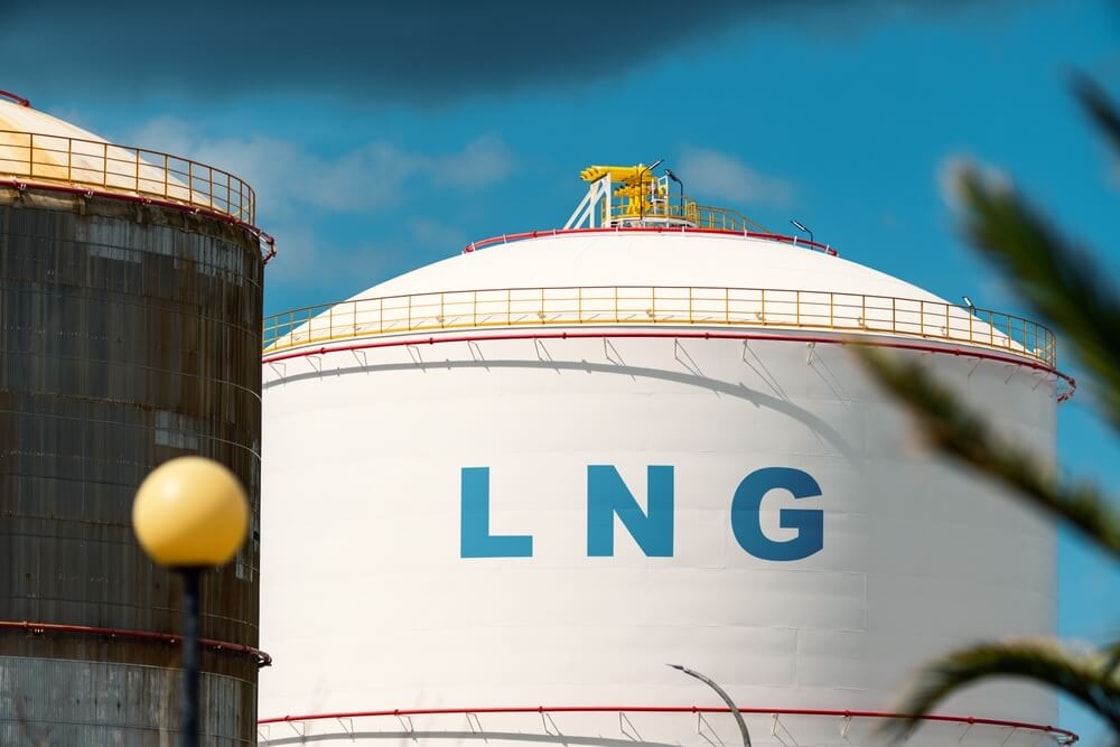
Emissions and policy pressures threaten LNG’s role in the energy transition

  • Gas
  • February 20, 2025

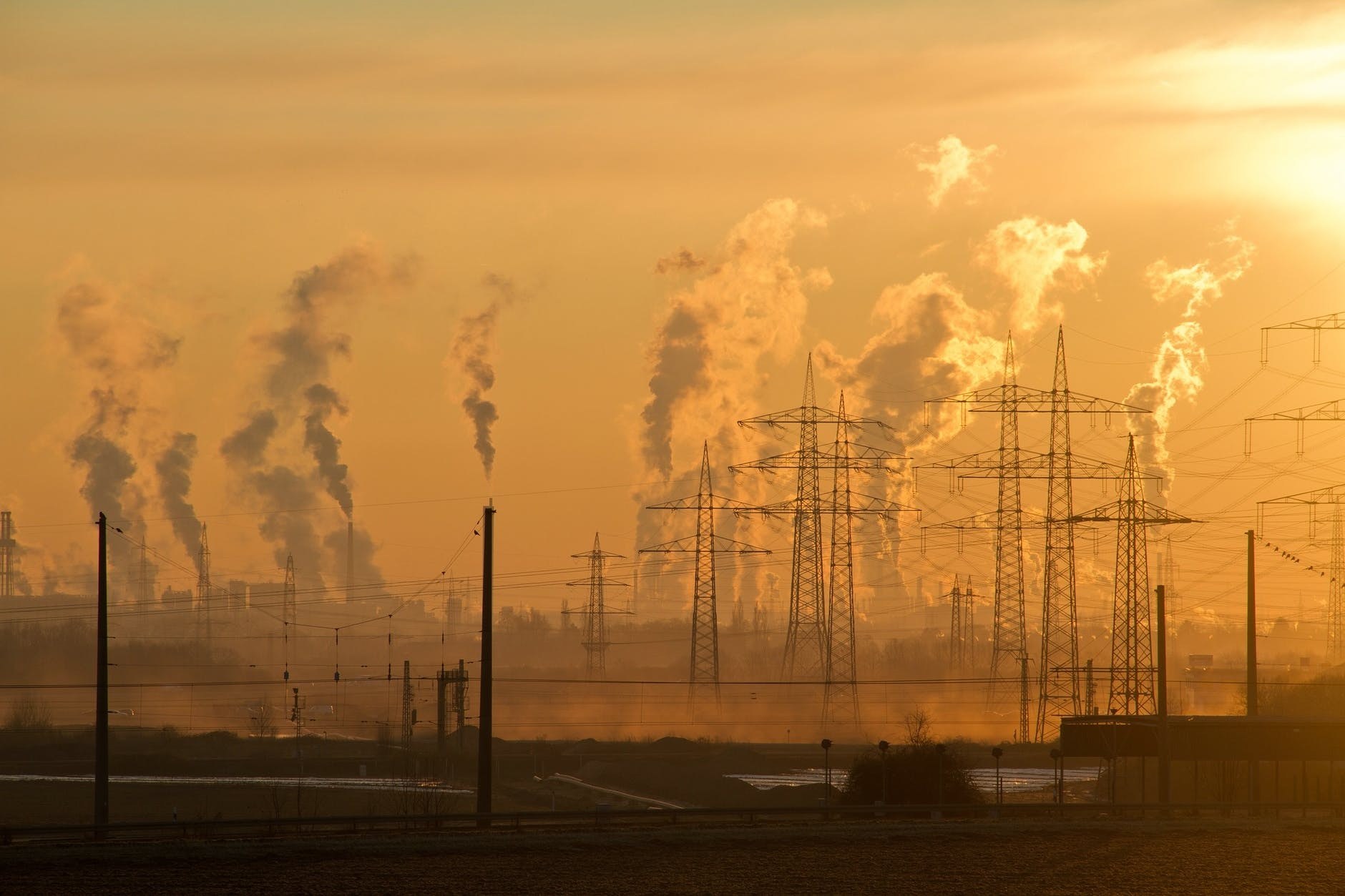
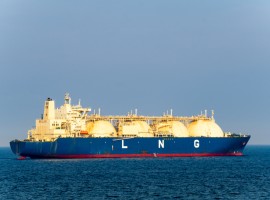
Natural gas has long been promoted as a cleaner alternative to coal, but tightening policies and emissions concerns threaten its role in the energy transition. Wood Mackenzie warns that unless the industry reduces methane leaks and lowers carbon intensity, gas risks losing credibility as a bridging fuel.

Despite producing fewer emissions than coal, its environmental impact is increasingly scrutinised, particularly methane leaks. “Carbon dioxide and methane emissions need urgent action to preserve [LNG’s] role as a bridging fuel,” the report states. Regulators and investors are pushing for stronger accountability, forcing gas producers to adapt or risk losing their social license to operate.

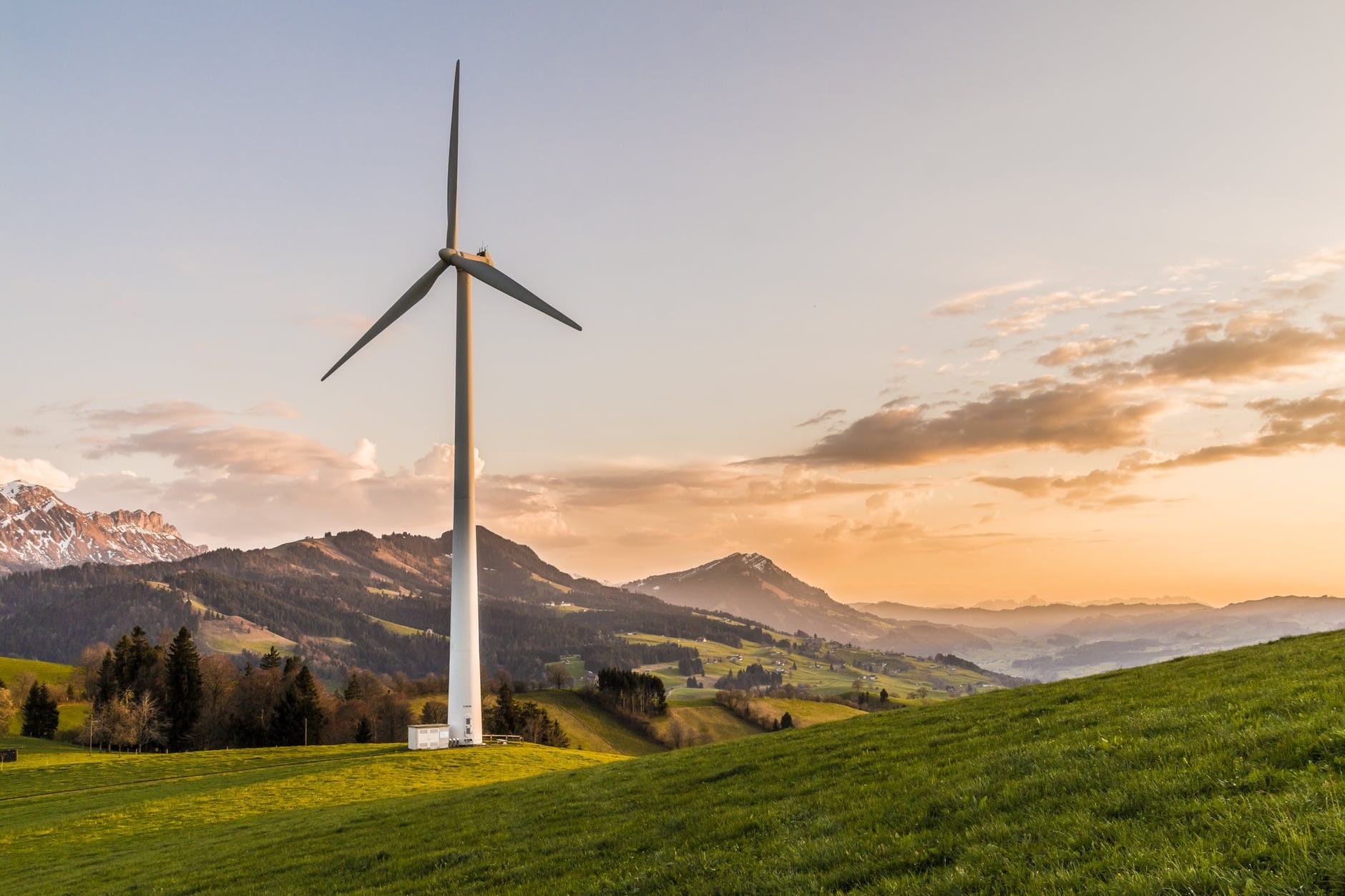
New regulations are adding pressure. In the US, the Inflation Reduction Act incentivises methane reductions, while the EU tightens reporting rules for fossil fuel companies. Some European governments are delaying or cancelling new gas infrastructure, while major Asian economies are aggressively expanding renewables alongside gas to hedge against long-term risks.

Economic challenges further complicate gas’s outlook. Without a carbon price, it struggles to compete with coal in key markets. “Without a meaningful carbon price, gas cannot compete with coal in Asia’s booming economies,” the report warns. High LNG costs have already slowed adoption in price-sensitive regions, with buyers favouring lower-cost energy alternatives.

Carbon capture and storage (CCS) is often touted as a solution, but widespread deployment remains hindered by cost and scalability challenges. Some producers are turning to certified low-carbon LNG to reduce emissions intensity, but uptake is limited. 

“The industry must do more to convince stakeholders of LNG’s benefits through clear, coordinated advocacy,” Wood Mackenzie adds.

   

  • Related Posts

    • Gas
    • March 3, 2026
    India’s gas cuts signal wider Asian pain as Gulf LNG crisis worsens


    • Gas
    • March 3, 2026
    Middle East conflict underlines need for UK ‘to maximise existing reserves’


    Have You Seen?

    India’s gas cuts signal wider Asian pain as Gulf LNG crisis worsens

    • March 3, 2026
    India’s gas cuts signal wider Asian pain as Gulf LNG crisis worsens

    U.S. Not Planning To Tap Strategic Petroleum Reserve Immediately

    • March 3, 2026
    U.S. Not Planning To Tap Strategic Petroleum Reserve Immediately

    Asian Refiners Mull Slashing Crude Processing as Iran War Threatens Supply

    • March 3, 2026
    Asian Refiners Mull Slashing Crude Processing as Iran War Threatens Supply

    European Gas Prices Soar 30% as Qatar Halts LNG Output

    • March 3, 2026
    European Gas Prices Soar 30% as Qatar Halts LNG Output

    Oil Prices Surge to $84 as Supply Risk Becomes Real

    • March 3, 2026
    Oil Prices Surge to $84 as Supply Risk Becomes Real

    Middle East conflict underlines need for UK ‘to maximise existing reserves’

    • March 3, 2026
    Middle East conflict underlines need for UK ‘to maximise existing reserves’

    US LNG Exports Grew in February, New Output Could Help Fill Qatar Supply Gap

    • March 3, 2026
    US LNG Exports Grew in February, New Output Could Help Fill Qatar Supply Gap

    Oil Prices Keep Climbing as Expanding Conflict Heightens Supply Risks

    • March 3, 2026
    Oil Prices Keep Climbing as Expanding Conflict Heightens Supply Risks

    Analysts Warn of Largest Oil Supply Disruption in History

    • March 3, 2026
    Analysts Warn of Largest Oil Supply Disruption in History

    White House Prepares Plan to Combat Oil Price Spike

    • March 3, 2026
    White House Prepares Plan to Combat Oil Price Spike