Monday, 24 February 2025
Contracts covering the return to Japan of all waste still in storage at the La Hague plant from the reprocessing of Japanese used nuclear fuel, which were signed in November, were a major driver for a 23% (like-for-like) year-on-year increase in the company’s revenue to EUR5.87 billion (USD6.15 billion). The increase in revenue was also supported by bullish markets in the mining and front end sectors, the company said. EBITDA (earnings before interest, tax, depreciation and amortisation) for the year was EUR2.067 billion, up from EUR1.228 billion in 2023.
“2024 will go down as a special year with exceptional financial results, marked in particular by Back End export contracts, but also difficult times from a human and operational point of view with the loss of control over our entities in Niger,” Maes said.
Orano’s Niger subsidiaries – Somaïr, Cominak and Imouraren – were removed from the company’s consolidated financial statements from 1 December – the company formally recognised the loss of operational control of Somaïr, the operator of the Arlit uranium mine, on 4 December.
In the company’s annual results call on 19 January, Maes said the company intends to defend its rights in Niger. He said the company had made “several attempts” to reach an amicable solution with the Niger government, which also withdrew Orano’s mining licence for the Imouraren project, before launching the arbitration proceedings that are now ongoing. A third arbitration proceeding – over material on site – may also be launched, he said.
Maes said he was concerned for the 900 employees of Orano’s subsidiaries in Niger, who have worked “really hard” for the group. With the subsidiaries unable to market their product and generate sales revenue or profits, they are left not knowing if they can be paid, he said.
The loss of control of the Nigerien subsidiaries saw operating income for Orano’s Mining segment fall from EUR196 million in 2023 to EUR122 million, but the decrease was partially offset by the increase in uranium prices and favourable exchange rate effects, the company said.
The situation in Niger did not impact Orano’s 2024 delivery commitments, Maes said.
Investing in the future
The back-end contracts with Japanese utilities that made 2024 exceptional for Orano were “one-offs”, but Maes said the company nevertheless expects “positive” trends to continue and is eyeing 2025 revenue of “close to” EUR5 billion as it continues to ramp up its investment programme.
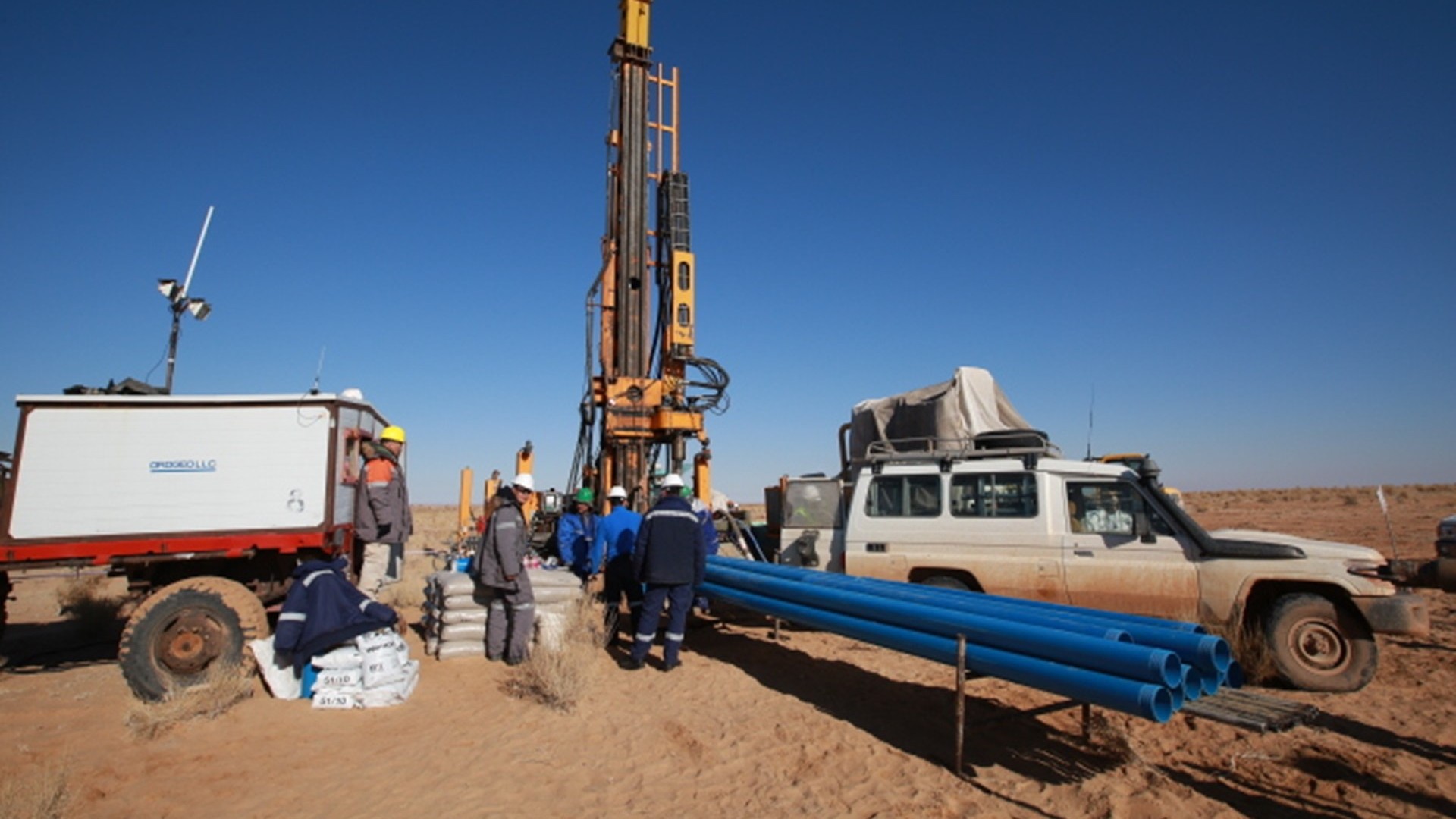
In January, the Orano Group signed an investment agreement with the Mongolian government for the development and operation of the Zuuvch Ovoo uranium mine. Orano envisages investing around USD500 million over the four years it will take to develop the project, which will use in-situ recovery methods (also known as in-situ leach), with total investment of some USD1.6 billion over the mine’s 30-year service life.
An investment decision is expected by the end of this year, Maes said, with operations starting in 2028-2029. This “huge” project, with a nominal capacity of 2500 tU per year, will help to diversify Orano’s supplies, he said.
As well as investing in Zuuvch Ovoo, Maes said Orano is also actively working on several other options to diversify its supplies, including projects in Uzbekistan and Canada. It also has the Trekkopje project in Namibia, mothballed in 2012 due to market conditions at the time. The company will “continue developing this option,” Maes said.
US business as usual
Maes did not anticipate that the recent change in administration in the USA will impact the company’s plans to build a new uranium enrichment plant in Tennessee. Orano announced its plans for the plant – known as Project IKE – last year. An investment decision on the plant, known as Project IKE, will be made in 2026 or 2027, but with bipartisan support in the US Congress for increasing US domestic uranium enrichment capacity, Maes said that at this stage, “we do not expect the political situation in the US will change.”